




Fleet Professional Salaries
The average fleet salary has increased slightly from last year, to $78,210. In addition to salaries, this section delves into retirements and succession planning.



Fleet professional salaries have risen very little from the prior year, to $78,210 on average, according to respondents to the Government Fleet survey. Those who managed a maintenance operation and a technician staff earned more than those fleet professionals who outsourced most or all maintenance work.
Although more than half of respondents said their salaries had increased in the past year, the vast majority said the increase was 3% or less. However, this is better than last year’s survey results, where 37% of respondents said their salaries increased.
Gilbert English, garage supervisor, Vehicle Fleet Services Division, City of Raleigh, N.C., said fleet employees at his agency are getting a 3% salary increase this fiscal year. He added, “Our City Council and city manager were able to balance the City’s budget without any cuts to our benefits, salaries, time, or personnel. There were positions cut through attrition.”
Despite the increases, there is concern about the future. A fleet manager in a growing city with 600 fleet units said that one major concern at his agency is how health insurance coverage will change in the near future.
There will be a large shift in fleet management with upcoming retirements. An alarming number of respondents (more than one third) said they plan to retire within the next five years. Only about one third of these respondents have a succession plan in place.
The survey also asked respondents if they plan to stay at their current agency until retirement — 77% said yes. Not surprisingly, those who plan to stay at their agencies are more likely to earn more and/or be closer to retirement age.
English said he enjoys his fleet job. “Employees are good, upper management is good, and [there is] plenty of room for advancement as our division is in a rapid growth stage.”
The fleet manager responsible for 600 units said he plans to stay at his current job as long as it makes economic sense. “One thing that would make me leave my current city is if they disregard Fleet Department recommendations without sound reasoning,” he said.
While the economy is getting better in some areas, other areas still face financial hardship. One positive thing coming out of this difficult time is the people who survive through it. Vince Olsen, CPFP, superintendent of Internal Services, Village of Algonquin, Ill., said, “In these times, having really good professional individuals ferret out and implement strategies to survive these conditions is critical. These individuals may be worth their weight in gold."
In July, Government Fleet solicited responses to an annual survey from its readership, receiving 218 qualified responses. The data from this section and most other sections in this issue, unless stated otherwise, come from this opt-in survey. These statistics comprise one of the largest pools of industry data collected.
View the results of the survery here.
More Maintenance

Freeing Technicians for Higher-Priority Repairs
Could paid interns help public fleets free up experienced technicians for more complex repairs?
Read More →
Stay ready, set and safer with verified fleet inspections
When fleet inspections aren’t verifiable, missed defects can quickly become downtime, safety risks, and service delays. This white paper shows government and municipal fleet leaders how digital inspections can improve accountability, catch issues earlier, and keep vehicles ready when they’re needed most.
Read More →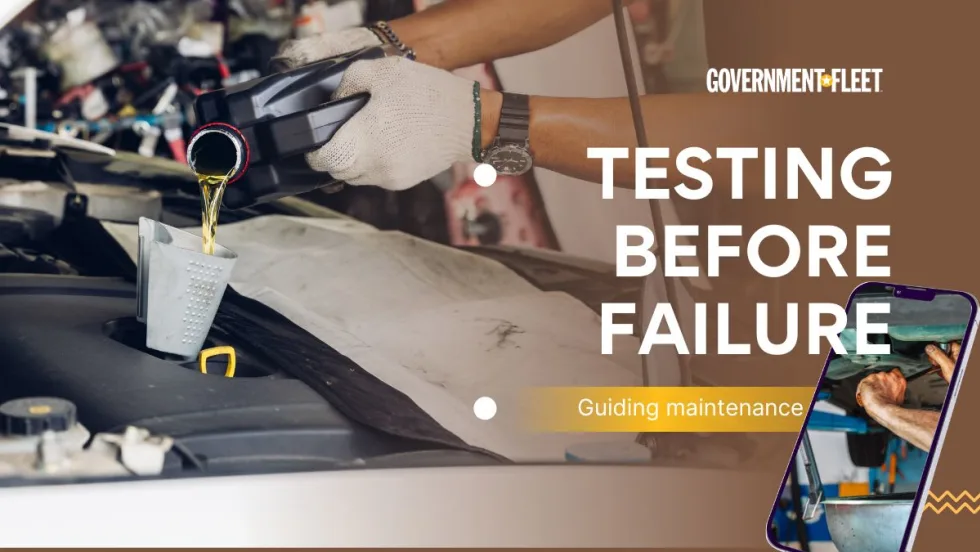
Using Oil Analysis to Help with Engine Losses
How a Texas city changed its lubrication practices and began tailoring preventive maintenance intervals after test results showed oil degradation and fuel dilution.
Read More →
Hidden in Plain Sight: Fleet Compliance Risks
Fleet compliance isn't just about having policies — it's about consistently enforcing them. This practical guide reveals six hidden compliance risks common in public sector and shared fleet operations and outlines proven strategies to improve visibility, accountability, and audit readiness.
Read More →
Is Your Fleet Garage Holding Back Your Operation? | The Fleet Breakroom
Norman Barrientos of Barrientos Design & Consulting explains how agencies can use operational data to show decision-makers why a replacement or major renovation is needed.
Read More →
Reducing Long-Term Maintenance Costs and Downtime
Downtime is rarely caused by a single surprise failure but rather by an issue that builds over time through setbacks ranging from deferred maintenance to poor replacement planning. So what's the fix?
Read More →
The Future of Government Fleet Technicians with Mike Cleary
Insight on preparing for hybrid and electric vehicle service, what fleets need to know about recruiting technicians in a competitive market, and how to make the most of limited training budgets.
Read More →
Work Orders Are More Than Records. They're a Roadmap to Fleet Availability
What if your work orders could predict failures, uncover hidden costs, and boost fleet availability? Here's how leading fleets are using the data.
Read More →
Drive More Profit with Greater Fleet Uptime
Fleet downtime costs money. JASPER helps keep vehicles on the road with quality remanufactured components, fast nationwide delivery, and reliable solutions that boost uptime and profitability.
Read More →
Smart Seasonal Maintenance Tips for Government Fleets
Government fleets carry extra weight, and routes, schedules, and public trust depend on reliability. A systematic spring checklist keeps vehicles in service when agencies need them most.
Read More →