




Fleet Data in Practice: Identifying the Metrics That Justify Operational Change
An unusual metric doesn't always signal a problem, and a healthy-looking number doesn't tell the whole story. In part one of our Fleet Data in Practice series, Robert Gordon explains how to validate findings, investigate performance gaps, and build a stronger case for action.
November 23, 2026

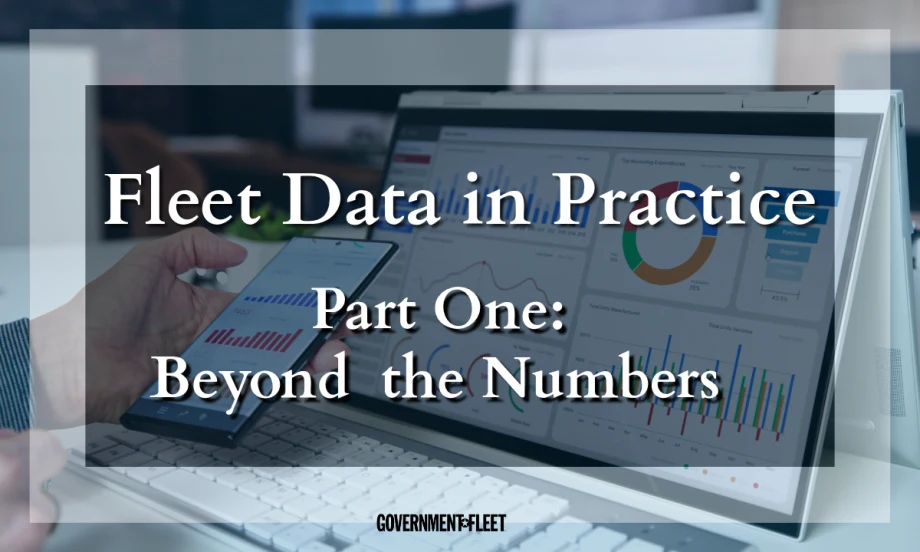
An increase in vehicle turnaround time could stem from parts delays, repair complexity, or problems at an individual shop. Examining the underlying work orders and consulting technicians can help fleet managers pinpoint the cause rather than relying on fleetwide averages alone.
Credit:
Government Fleet
5 min to read
If you are a fleet manager, the one thing you probably have more of than you know what to do with is data. With connected vehicles collecting and sorting metrics on fuel usage, miles driven, and driver trends, the data can feel overwhelming. With all the data at your fingertips, are you taking full advantage of it?
Understanding what drives your data is essential for decisions like resource allocation, vehicle replacement, and maintenance. It also helps fleet managers defend those decisions when budget negotiations come around.
In the first installment of our Fleet Data in Practice Q&A series, Robert Gordon of DeKalb County, Georgia, shares how DeKalb County distinguishes meaningful metrics from information overload, investigates performance anomalies, and uses data to support operational decisions. He also offers guidance for fleets without dedicated data analysts and explains why understanding the context behind the numbers matters as much as collecting them.
This interview has been edited for length and clarity.
Q: Fleet managers have access to more data than ever, but more information doesn’t necessarily mean better decisions. When you’re looking at thousands of data points, how do you determine which metrics actually deserve your attention and which are just noise?
Gordon: For me, it starts with a simple question: Can we do something with this information?
Fleet systems can generate thousands of data points, but more data does not automatically lead to better decisions. If a number doesn't help us make a decision, identify an operational risk, improve service, or explain performance, it may not deserve equal attention. I focus on metrics that connect directly to an operational outcome, such as vehicle availability, turnaround time, maintenance cost, utilization, repeat repairs, downtime, and asset age.
Just as important is context. A high number is not automatically a bad number. You must understand what is normal for that vehicle class, shop, department, or type of repair. The goal is not to watch every number; it is to identify the signals that tell us where we need to look closer and where we can act.
Q: You brought a data analyst into your operation. What does that role allow you to see or understand about your fleet that you couldn’t before, and what advice would you give a fleet that doesn’t have the resources to dedicate someone solely to data analysis?
Gordon: I think an advantage of having an analyst on your team is the ability to connect information that would otherwise live in separate places or go unnoticed. They use data to paint a picture and piece together what is happening operationally. A fleet system may contain work orders, labor, parts, costs, utilization, asset history, and downtime, but those individual records do not automatically tell you what is happening operationally.
My role is to connect those pieces and turn them into a story management can act on. If turnaround time is increasing, the next question is why. Is it happening in one shop? Is it tied to a certain repair type? Are we waiting for parts, vendors, or approvals? Analytics helps us move from knowing that something happened to understanding what may be driving it.
For fleets that do not have the resources for a dedicated analyst, I would recommend starting small. Identify the three to five questions leadership needs answered consistently, make sure the underlying data is being captured the same way, and build repeatable reporting around those questions.
You do not need a massive analytics operation to make better decisions. You need consistent data, clear definitions, rules, and a disciplined way of using it.
Q: When you identify something unusual in the data — whether it’s utilization, maintenance cost, vehicle age, or another metric — what is your process for drilling down from the fleetwide number to finding the actual cause?
Gordon: I try not to treat an unusual number as a final answer. It is a clue.
First, I validate the data by confirming the time period, understanding how the metric is defined, reviewing formulas and filters, and looking for issues such as duplicate or incomplete records or user entry errors that could create anomalies or outliers.
Once I trust the number, I start breaking it down. If turnaround time increased fleetwide, for example, I would look at it by shop, vehicle class, repair category, vendors, parts availability, and eventually the individual work orders contributing to the increase.
The analysis should not stop at the spreadsheet. You have to talk to the supervisors, technicians, and mechanics closest to the process. The data can show us where something is happening; the people doing the work often help us understand why. Bringing those two perspectives together is usually where you find the real cause.
Q: Replacement and utilization decisions can have major budget implications. Can you walk me through how you use data to determine whether an asset should be replaced, reassigned, retained, or removed from the fleet?
Gordon: I would not want a decision with that kind of budget impact to depend on one metric, but I think it really boils down to the value of the asset versus the cost of keeping it in service.
Age matters, but an older vehicle is not automatically a vehicle that needs to be replaced. We need to understand the full picture, including utilization, maintenance history and frequency, repair cost, downtime, reliability, mileage or operating hours, mission requirements, and whether that asset is being used in the right assignment.
Then you start looking at those measures together. A vehicle may have higher maintenance costs, but if it is heavily utilized and critical to the department’s mission, continued investment may make sense. On the other hand, an asset with relatively low maintenance costs but very little utilization could be a better candidate for reassignment or removal.
Instead of only asking, “How old is this vehicle?” The better question is, “What value is this asset providing compared with what it costs us to own, maintain, and keep available?” That gives Fleet a stronger basis for replacement planning and gives leadership a clear, defensible explanation for why those decisions are being made.
Subscribe to Our Newsletter
More Articles

Idaho DOT Approves AI-Powered Traffic Detection Technology
The Idaho Transportation Department added Iteris’ Vantage Apex to its Qualified Products List, giving state and local agencies another option for using video and radar to monitor traffic at intersections and inform signal timing.

What Can Disappear After a Fleet Crash?
This week, we look at drone footage, what fleets should document before repairs begin, and share a quick poll.

Michigan State Police 2027 Police Vehicle Testing: Preliminary Results
From electric patrol vehicles to pursuit-rated SUVs and pickups, the latest Michigan State Police testing highlights differences in acceleration, braking, and handling that could influence law enforcement fleet purchasing decisions.
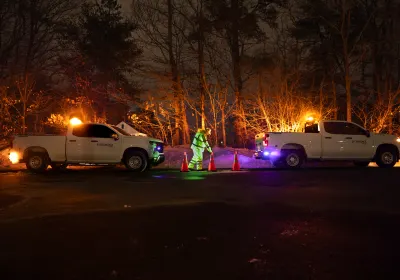

Applications Open: 2027 Police Fleet Innovators Award
The Police Fleet Innovators Award is for fleet operations teams that have come up with innovative solutions to common problems in law enforcement fleets. Click for deadline details, plus an award FAQ.

BRINC Launches Mobile App for Public Safety Drone Operations
As more public safety agencies incorporate drones into emergency response, access to aerial footage is expanding beyond drone operators and command centers. BRINC's new iOS app lets authorized personnel monitor live video, review flight information, and access agency drone operations on their mobile devices.

Does Your Government Fleet Handle Refuse and Waste Operations? Take Our Poll
Government Fleet wants to hear from public-sector fleet professionals about their responsibilities for refuse collection and waste management equipment.
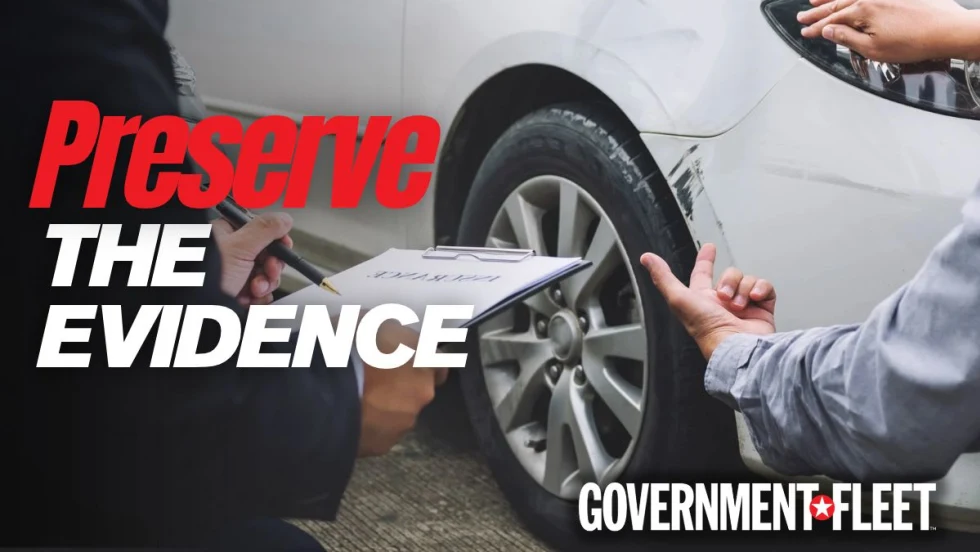
What Public Fleets Should Document and Preserve After a Collision
Dashcam footage can be overwritten, witnesses can leave, and repairs can erase evidence. What should public fleets document and preserve before that information is lost?

Fleet Replacement Decisions, Waste Fleet Technology and the GFX Deadline
Is your next vehicle the right fit, can your records settle a missed pickup dispute, and what could your fleet teach others at GFX 2027?
Motive and Routeware Partner to Bring AI-Powered Visual Proof of Service to Waste and Public Works Fleets
The new integration uses Motive AI cameras and telematics to help municipalities and private haulers reduce manual work, settle disputes faster, and protect drivers without leaving the platform their team already works in.

What Government Fleets Are Missing About Their True Costs
What are fleet budgets missing, and how can agencies use the data they already collect to make a stronger case for change?