




Related: Bright Ideas: Business Plans
Developing a Fleet Business Plan to Drive Organizational Change
A fleet business plan forces change when the company has 2,100 vehicles providing electric power to nearly 800,000 customers and delivers nearly 1 million acre-feet of water to a service area in central Arizona.
by Tom Johnson
March 1, 2004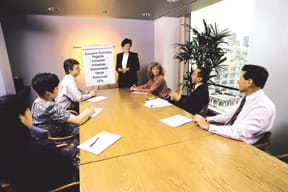
5 min to read
In 1999 when Dave Olsen took over the fleet department for the Salt River Project — the water provider and electric utility for central Arizona — he knew the only way to jump-start the operation was a business plan.
Olsen has a master’s degree from Arizona State University and knows the value of strategic thinking, creating a common departmental vision, and following through on implementation. A fifth generation Arizonan, Olsen uses “cowboy” logic to guide his thinking on business plans. He believes many people overcomplicate the business planning process, which makes implementation “darn near impossible.”
The purpose of a business plan is to create a blueprint for fleet operations, providing an on-going strategic direction. An effective business plan includes internal/external customers as partners in the process, educating them about the operational goals for the coming years. Business planning should force strategic, not tactical, thinking.
Olsen started a business plan primarily to facilitate allocating resources appropriately among departments and organizational needs. His supervisors and other decision-makers appreciated his proactive approach to managing more than $93 million of fleet assets.
The plan Olsen developed was in place when his fleet department was named the most efficient in North America. This plan can be adapted to nearly any fleet operation. The following is an outline of Olsen’s business plan, designed as a cut-and-paste model for fleet manager use.
Begin with an Executive Summary
The plan includes an executive summary that simplifies and clarifies key messages and direction. Providing direction for the leadership team and a common vision for the entire transportation department, it is a living document, modified and updated periodically to reflect changes in the operating environment, including pricing, regulation, growth, environmental, and internal operations.
Specifically, the summary includes sections on:
Vision. A statement that captures long-term operational ideals, such as maximum effectiveness of fleet and equipment, high levels of service and maintenance, and readiness of mission-critical vehicles.
Purpose. The job of each fleet department employee, e.g., “to do our part in ensuring the highest quality of life for our customers.”
Values. A list of core department virtues, e.g., quality of workmanship, respect for co-workers and customers, trust and dependability, innovation and openness to new and better ways to do things, commitment to service.
Products and Services. Define the specific services provided by the department, including fleet engineering and management, preventive maintenance, equipment repair, fueling, tire repairs, auto parts, regulatory compliance, procurement, etc.
Information Technology. A list of the major application software tools used in support of core business functions. Describes information system applications and current operating environments.
Initiative Section Details Projects and Activities
The initiative section of the business plan is a comprehensive list of major projects and activities to be accomplished during the year. These activities can range from human resource initiatives to operational changes or regulatory compliance.
Olsen’s plan included a six-year Aging Work Force Plan and a comprehensive Individual Vehicle Replacement Plan, along with a dozen other major initiatives.
Current Operating Environment(s). A clear understanding of the department operating environment is critical. Outline the variety of internal and external forces and key assumptions that impact fleet operations. Answer each with a detailed management strategy.
External Environment. Changes in regulations, and compliance issues; fuel prices; growth; skilled labor shortages, etc.
Internal Environment. Internal customer organizations and resource/operating requirements, individual processes and procedures, the balance of value versus cost in budgeting, fleet size, staffing skills and tenure, evolving workforce mix, corporate emphasis on safety and customer service, etc.
Key Assumptions. List key company and department assumptions regarding fleet operations. For example “Utilization of equipment will become increasingly important as we…” “New vehicles and standardization will require less…” “Fleet size will increase by a certain percentage over the next several years.” “Pressure from internal clients to improve service value and reduce rates.” “Move away from ‘managing to budget’ towards ‘managing the business.’ ”
Major Departmental Initiatives. Next, determine and describe the major initiatives that your department will undertake to create the work conditions identified above and provide the greatest overall value for your services. Each description should include:
Initiative. A clear-written explanation of the proposed action.
Goal/Objective. · Outline of opportunity/area of focus. Expected outcomes with milestone dates.
Key Industry Trends. Analyze industry developments and trends for their impact, influence, or adoption for your fleet operations. For example: “Greater emphasis on environmental issues.”
Human Resource Plan. Summarize human resources plans over a specific time frame. Changes in the workplace often require a close look at future workforce needs, for example, to ensure an adequately trained workforce. These changing conditions include opportunities. Determine incremental steps to achieve a long-term goal, e.g. “Apprentices will need to be hired and trained prior to (date).”
Key Performance Indicators. Finally, establish Key Performance Indicators (KPIs) track progress and ensure implementation effectiveness. Use quantifiable measurements to accurate assess progress.
Communication. The real cornerstone to an effective fleet business plan is communication. Communicate to employees what and, importantly, why actions are taken and changes implemented. Communicate to customers how your fleet operations provide value for them.
As Olsen’s fleet business plan began to improve the department’s effectiveness, he was promoted to director of the entire facilities area to help drive change through an organization that has been named best run “utility in the West,” the last four out of five years by J. D. Powers and Associates.
About the Author: Tom C. Johnson is based in San Francisco and is author of The 7 Qualities of the 100 Best Fleets in North America. He can be contacted at: (415) 285-8391.
Subscribe to Our Newsletter
More Operations
Who Deserves Fleet Recognition and What Could You Teach at GFX?
Who helped shape your fleet career, and what have you learned that could help someone else?
Read More →
What’s Haunting Public Sector Fleets?
Public sector fleet challenges rarely happen in isolation, and addressing one often means understanding how it connects to another.
Read More →
Is Keeping Older Fleet Vehicles Really Saving Money?
Is keeping vehicles longer saving money, and what happens when a diagnostic test points to the wrong fix?
Read More →
How Smart Fleet Strategy Can Help Local Government Agencies Do More with Less
Keeping a vehicle longer may ease this year’s budget, but what does it cost the next one? A closer look at fleet decisions can reveal opportunities to reduce spending while protecting essential services.
Read More →
Connect with Government Fleet on LinkedIn
From industry news and fleet management strategies to conversations with peers, Government Fleet's LinkedIn page offers public-sector fleet professionals another way to stay informed and connected.
Read More →
Town of Queen Creek Named Most Successful Fleet Award Winner of Inaugural RTA Fleet Success Awards
Five fleets were honored at RTA Connect 2026 in Chicago for excellence across resource efficiency, intentional culture, risk management, and stakeholder satisfaction.
Read More →
Sponsored•October 14, 2026
A buyer's guide to fleet management software in 2027
Buying fleet management software in 2027 means looking beyond features and price. As fleet operations, technology and expectations evolve, this guide explores what today’s fleet professionals should consider when choosing a system that can deliver value now and adapt to what comes next.
Read More →
Hazard Alerts, Fleet Car Sales Rise and a New Shuttle Concept
Fleet car sales doubled, but the bigger picture tells a different story in this week’s roundup.
Read More →
How St. Johns County Turned Fleet Data Into Better Replacement Decisions
St. Johns County, Florida, had fleet data, but turning it into reliable decision guidance was another matter. Instead of starting over with a new fleet management system, the county connected existing tools and built a scoring system that gives managers an objective look at fleet health.
Read More →
Fleet Forward Conference Introduces One-Day Passes for 2026
New one-day registration lets fleet professionals attend Tuesday, Wednesday, or Thursday, with passes available for $249.
Read More →