




Can Fleets Subscribe to a Vehicle?
For fleets, technology is enabling a more efficient way to use vehicles, increase utilization, and more precisely match the type of vehicle to usage.

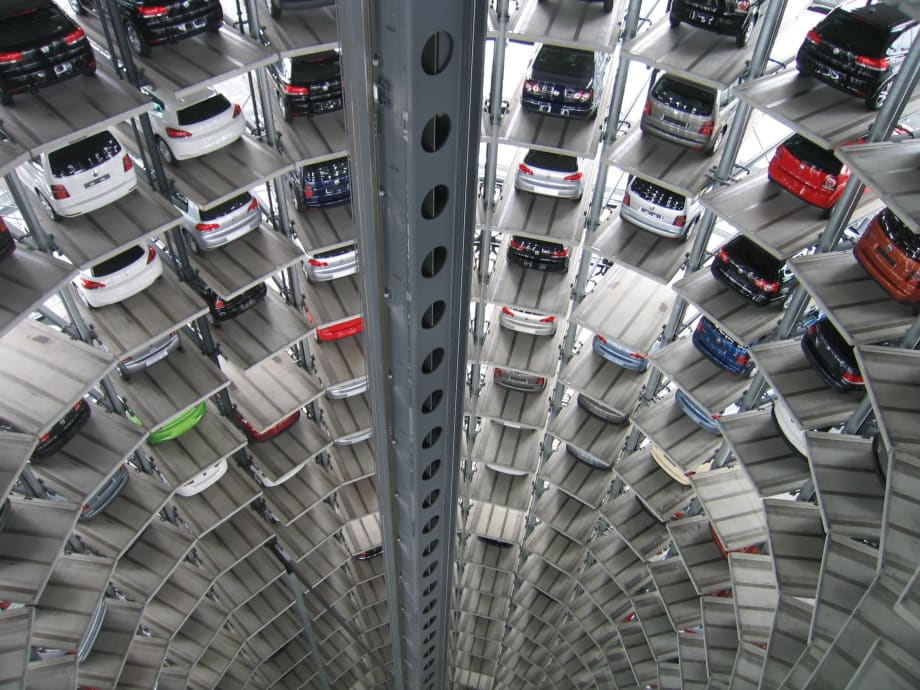
The “subscription economy” is a business trend that supplants the traditional pay-per-product model with one that offers goods and services on a subscription basis — from software and shaving blades to music and wall art — and, in our world, vehicles.
In five years, the subscription economy has grown 420% faster than U.S. retail sales, according to the Subscription Economy Index. Why? Because the model makes sense — use an asset as needed and pay only for the time you use it. (Did brides ever need to buy wedding gowns?)
In an automotive subscription service, consumers pay a flat monthly fee to be able to switch between a selection of models within a brand family or across multiple marques. The programs bundle depreciation with insurance, registration, maintenance, and even carwashes into one price.
Automakers such as General Motors, Ford, and Volvo now offer subscription-based services and third-party platforms such as YOYO and Carma. Launched in 2014, Cox Automotive’s Flexdrive program was a pioneer.
The benefits of choice and flexibility appeal to varying corners of the consumer market. But can this model work for fleets?
The subscription-service concept fits in with the broader trend away from ownership to “shared use” of an asset and mobility as a service (Maas), says Cox Automotive’s David Liniado, vice president, consumer mobility.
For fleets, technology is enabling a more efficient way to use vehicles, increase utilization, and more precisely match the type of vehicle to usage. “The benefit of flexibility applies to commercial and corporate fleets,” Liniado says. “It’s no longer about assigning one vehicle to the same person for three years, but assigning a vehicle based on the need of the moment or the week.”
The shift from ownership to shared vehicles in carshare and rideshare fleets — and ultimately autonomous fleets — is also creating a new category of fleet management. “This will bring an evolution of services and business opportunities, from acquisition, reconditioning, transportation, and vehicle remarketing,” Liniado says.
At the 2017 Fleet Forward Conference, Liniado will explain how vehicle sharing and subscription-service models will evolve to serve fleets. “We’re excited to share at the conference how these programs work, the variety of use cases, the economics behind them, and why they’re growing.”
Fleet Forward Conference, a new event, is designed to facilitate the active inclusion of fleet stakeholders in the smart mobility revolution. The inaugural Fleet Forward Conference will be held at Hilton Miami Downtown Nov. 7-8. For more information, visit www.fleetforwardconference.com.
More Operations

Hazard Alerts, Fleet Car Sales Rise and a New Shuttle Concept
Fleet car sales doubled, but the bigger picture tells a different story in this week’s roundup.
Read More →
How St. Johns County Turned Fleet Data Into Better Replacement Decisions
St. Johns County, Florida, had fleet data, but turning it into reliable decision guidance was another matter. Instead of starting over with a new fleet management system, the county connected existing tools and built a scoring system that gives managers an objective look at fleet health.
Read More →
Fleet Forward Conference Introduces One-Day Passes for 2026
New one-day registration lets fleet professionals attend Tuesday, Wednesday, or Thursday, with passes available for $249.
Read More →
ENC Unveils its ZAVIR Medium-Duty Shuttle
Two variants of the concept shuttles were revealed: a low-floor configuration and a high-floor configuration.
Read More →
Could Your Next Fleet Technician Start as an Intern?
What if your next technician hasn’t worked in a fleet shop yet? What fleets are doing to free up time.
Read More →
How Phoenix Is Building Its Next Generation of Fleet Technicians
With more than 8,000 vehicles and pieces of equipment to maintain, the City of Phoenix could not afford to wait for fully trained technicians to walk through the door. Instead, they revamped their entire workforce strategy and showed how public fleets can create their own talent pipeline while preparing existing employees for increasingly complex vehicles.
Read More →
What’s Slowing Your Fleet Down?
Could a change in how work gets done help your fleet return vehicles to service sooner?
Read More →
Can Public Fleets Trust the Data Driving Their Decisions?
Public fleets have more data than ever, but inconsistent records and missing information can still undermine maintenance, replacement, and cost decisions.
Read More →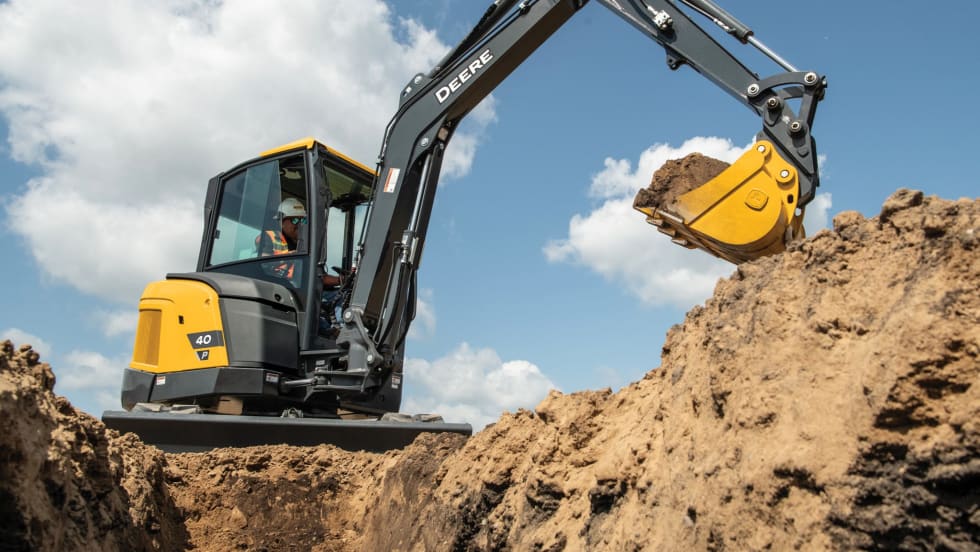
John Deere Introduces 40 P-Tier Compact Excavator
John Deere is adding a compact excavator designed for crews that need to move equipment between jobsites and handle multiple types of work with one machine. The 40 P-Tier weighs less than 10,000 pounds and offers configurable hydraulics, attachment options, and connected fleet-management capabilities.
Read More →
How Leading Fleets Improve and Why Business Plans Matter
This week, we look at what past Leading Fleet winners can teach us about making progress, plus how to build a business plan your fleet will actually use.
Read More →