




Bright Ideas: Maintenance
Fleets can utilize automated preventative maintenance systems, take on maintenance for other fleet operations, brand tires to prevent theft, and implement a multi-work shift schedule to maximize productivity.
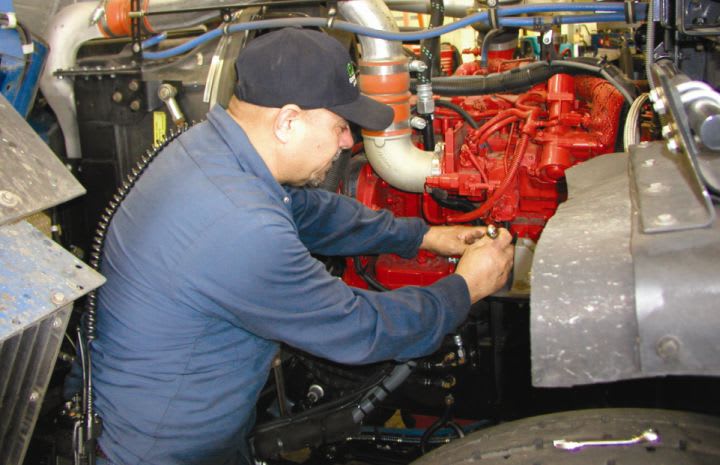
City of Nashville Utilizes Automated System
The Metro Nashville/Davidson County, Tenn., fleet system employs a preventive maintenance (PM) module to schedule PM's for every fleet unit. The system automatically creates a work order when the PM is due and sends an e-mail to user departments. Once the PM is completed, the scheduler automatically updates. The scheduler is also used for tracking EPA tests and other annual inspections. "We have a contract for basic preventive maintenance service (PM-A) for all light-duty vehicles using the Metro fuel card as a method of payment," said C.W. "Bill" Malcolm, CPFP, fleet manager. "We have also purchased a commercial software to schedule appointments for other PM services."
Fleet Provides Maintenance to Outside Agencies
Polk County, Fla., Fleet Management took control of the City of Auburndale's fleet maintenance operation at the end of June, according to Bob Stanton, CPM, CPFP, Polk County fleet management director. Polk County Fleet Maintenance pays the salaries and benefits of the five current employees, in addition to repair costs on all 227 city-owned vehicles.
Auburndale officials estimated they will spend about $640,800 this fiscal year on fleet maintenance. Polk County Fleet Maintenance indicated they will charge Auburndale about $315,400 next year.
In October 2009, Polk County Fleet Maintenance also assumed control of Lake Wales' operation. The County absorbed the City's vehicle maintenance operation Oct. 1 and hired three current Lake Wales city fleet maintenance employees subject to normal hiring practices. The City approached the County about outsourcing the fleet maintenance services to as a way to address its budget issues.
Wales will retain ownership of its fleet — which includes a wide range of vehicles, including cars, pickup trucks, vans, fire trucks, boats, mowers, golf carts, and heavy equipment — and its maintenance facility. According to Stanton, the benefit to the County is more operational than monetary, since the County doesn't have a facility in Lake Wales to service county vehicles if needed. The arrangement will be tested for one year.
Genesee County Brands Tires to Deter Theft
To thwart ongoing tire thefts, the Genesee County (Mich.) Road Commission has resorted to branding every tire bought for its vehicle fleet. The branding effort is part of a strategy officials say is to prevent future thefts of tires and other equipment.
In addition to branding each tire with a permanent serial number in the future, the Road Commission said other steps are being taken, at an estimated cost of $50,000, to protect tires and equipment stored in its Flint garage, including installation of both a computer-coded gate at the garage and additional security cameras. In addition, a single supervisor has been assigned to oversee tire security and supervise maintenance workers during tire replacement operations.
Bakersfield Works Around the Clock
The City of Bakersfield, Calif., operates a multi-work shift schedule to maximize productivity and provide for a faster turnaround of equipment. Preventive maintenance is scheduled for hours which the equipment is not normally in operation. For operations that run 24/7, scheduling is assigned around equipment availability. Repairs are assigned by a priority system, monitored by the shift supervisors. The daytime shift allows mechanics to be available for quick repairs/services while other mechanics are assigned to long-term repairs. The evening shift focuses on repairs/services that can be performed within the shift. "During the recent economic downturn, Fleet Services prides itself in being able to maintain equipment availability even with nine vacancies," according to Michael Rogers, fleet superintendent for the City of Bakersfield.
More Maintenance

Freeing Technicians for Higher-Priority Repairs
Could paid interns help public fleets free up experienced technicians for more complex repairs?
Read More →
Stay ready, set and safer with verified fleet inspections
When fleet inspections aren’t verifiable, missed defects can quickly become downtime, safety risks, and service delays. This white paper shows government and municipal fleet leaders how digital inspections can improve accountability, catch issues earlier, and keep vehicles ready when they’re needed most.
Read More →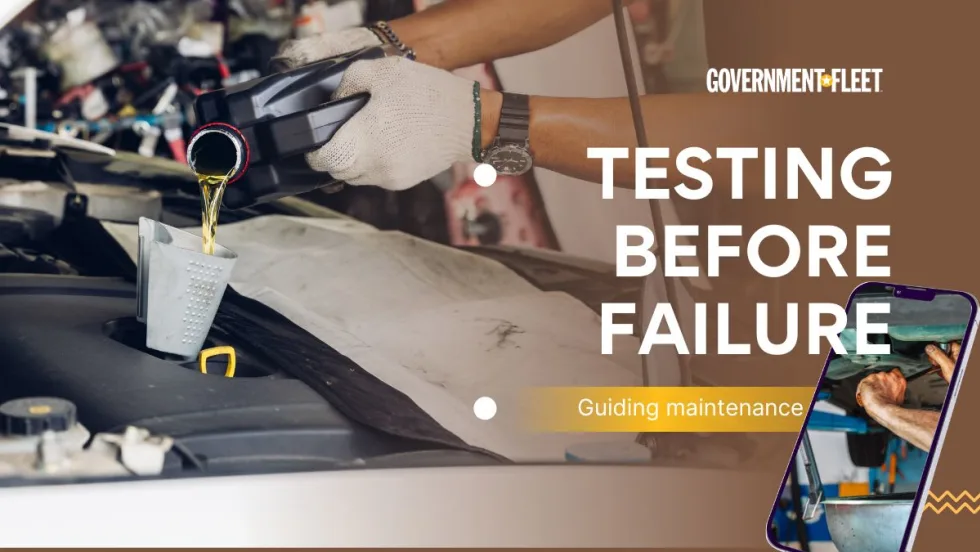
Using Oil Analysis to Help with Engine Losses
How a Texas city changed its lubrication practices and began tailoring preventive maintenance intervals after test results showed oil degradation and fuel dilution.
Read More →
Hidden in Plain Sight: Fleet Compliance Risks
Fleet compliance isn't just about having policies — it's about consistently enforcing them. This practical guide reveals six hidden compliance risks common in public sector and shared fleet operations and outlines proven strategies to improve visibility, accountability, and audit readiness.
Read More →
Is Your Fleet Garage Holding Back Your Operation? | The Fleet Breakroom
Norman Barrientos of Barrientos Design & Consulting explains how agencies can use operational data to show decision-makers why a replacement or major renovation is needed.
Read More →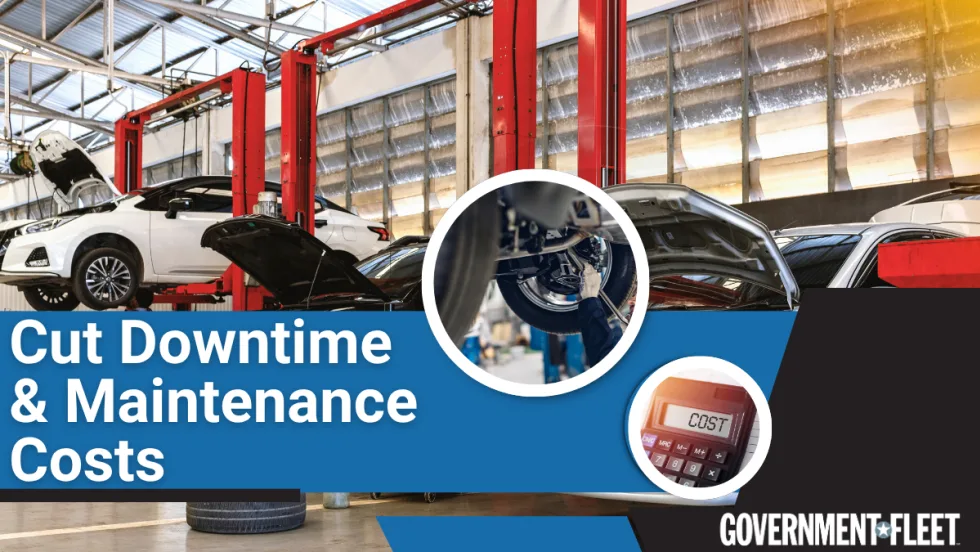
Reducing Long-Term Maintenance Costs and Downtime
Downtime is rarely caused by a single surprise failure but rather by an issue that builds over time through setbacks ranging from deferred maintenance to poor replacement planning. So what's the fix?
Read More →
The Future of Government Fleet Technicians with Mike Cleary
Insight on preparing for hybrid and electric vehicle service, what fleets need to know about recruiting technicians in a competitive market, and how to make the most of limited training budgets.
Read More →
Work Orders Are More Than Records. They're a Roadmap to Fleet Availability
What if your work orders could predict failures, uncover hidden costs, and boost fleet availability? Here's how leading fleets are using the data.
Read More →
Drive More Profit with Greater Fleet Uptime
Fleet downtime costs money. JASPER helps keep vehicles on the road with quality remanufactured components, fast nationwide delivery, and reliable solutions that boost uptime and profitability.
Read More →
Smart Seasonal Maintenance Tips for Government Fleets
Government fleets carry extra weight, and routes, schedules, and public trust depend on reliability. A systematic spring checklist keeps vehicles in service when agencies need them most.
Read More →