




4 Ways to Reduce Procurement Costs
Fleets facing reduced procurement budgets can look to these pointers to reduce their costs.

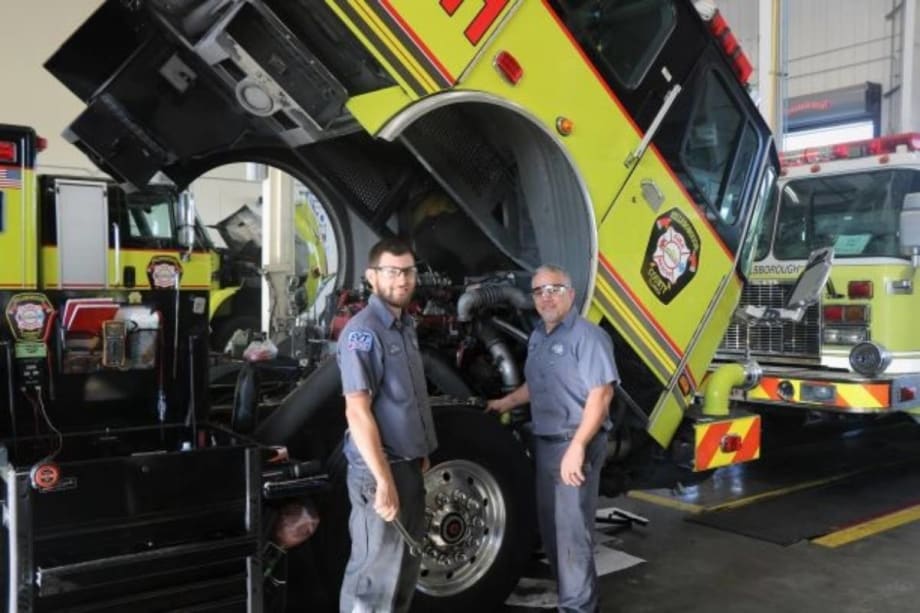
Technicians Tony Mulero and Louis Perea work on a fire truck, for which the fleet team was able to reduce procurement costs.
As public fleet operations face tighter budgets for the next fiscal-year, fleet managers must adjust their spending. Those anticipating reduced capital budgets are likely trying to determine how to reduce vehicle procurement costs.
In 2019, Hillsborough County, Fla., was facing outsourcing threats and had to justify its fleet operation. Fleet management worked with user departments to reduce costs, including procurement costs. Robert Stine Jr., CAFM, CPFP, director of the Fleet Management Department, outlines some steps the fleet team took.
1. Conduct a thorough specifications audit
Always start with a base model and build up, with every line item justified in the spec.
“We define the requirement we’re trying to fulfill, and then we build it from there. So for example, if I have a requirement for an on-the-road pickup truck, and the customer wants a four-by-four with a towing hitch, but we know the mission does not require any off-road type of driving or any towing, then we just won’t support it,” Stine said. “They would have to come back and justify it.”
The fleet department did this with its fire apparatus, and while it was a lengthy and time-consuming process, it established a baseline that was used for subsequent purchases. The result was a reduction of pumper and 95-foot aerial truck purchase price by $150,000 each, or the cost avoidance of more than $1 million annually.
2. Reuse bodies on rescue ambulances
This service life extension program (SLEP) works because an ambulance chassis gets high utilization and can be replaced while reusing the ambulance body. The fleet team may do upholstery repairs and minor changes to the inside of the box. This concept saved the county $150,000 for each SLEP, and it will use the concept on a second round of the SLEPs, meaning the same boxes will be used on a third set of chassis.
Make sure to purchase high-end ambulance boxes that have a lifetime warranty, even if this bumps up the initial purchase price, Stine recommended.
3. Buy smart
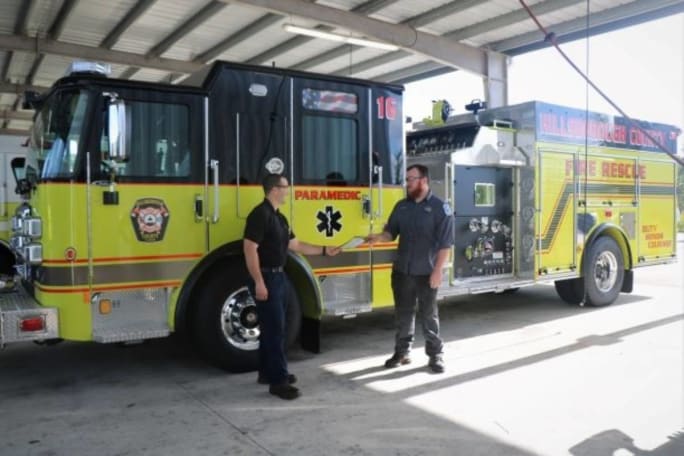
Consider total cost of ownership, always negotiate contract terms when purchasing vehicles, and consider standardizing vehicles when possible. While this might not initially reduce purchasing costs, it can simplify maintenance, repair, and parts management and reduce lifecycle costs.
4. Have good data
Have data about vehicle condition and costs so you make smart business decisions. For example, if a customer wants a new vehicle after five years, but that vehicle only has 50,000 miles on it, data can help convince the customer the vehicle may not have reached the end of its useful life, Stine explained.
In Conclusion...
One of the biggest benefits going into a future recession is a replacement program, which Hillsborough County has had for a couple of decades for all its non-enterprise-funded departments.
“I already have money set aside for the next two years of requirements,” Stine said.
He added that a consistent review with department heads of their vehicle needs and changes, as well as costs, allows department heads to be their own internal fleet managers.
More Procurement
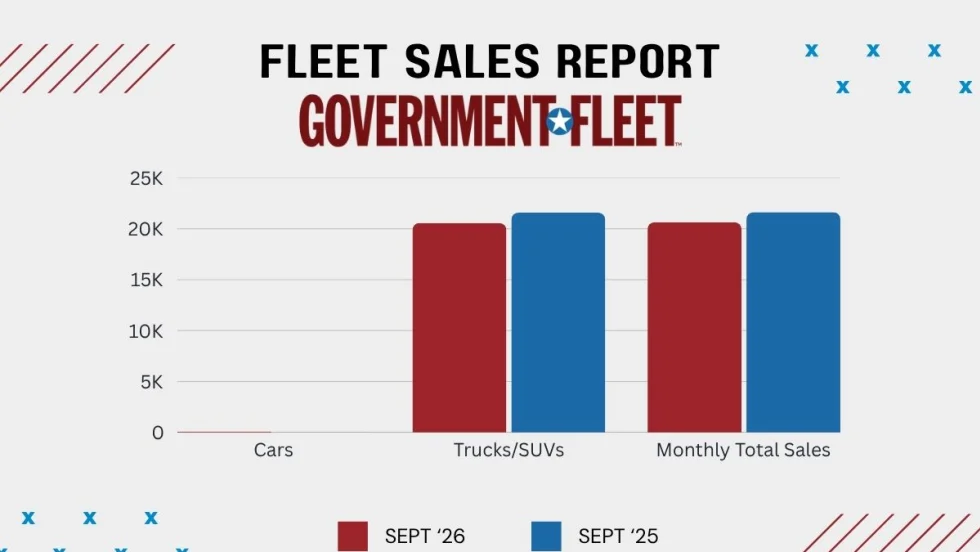
Government Fleet Car Sales More Than Double in September
Government fleet car sales rose 112.8% year over year in September, climbing from 39 to 83 units even as total monthly sales declined 4.5%.
Read More →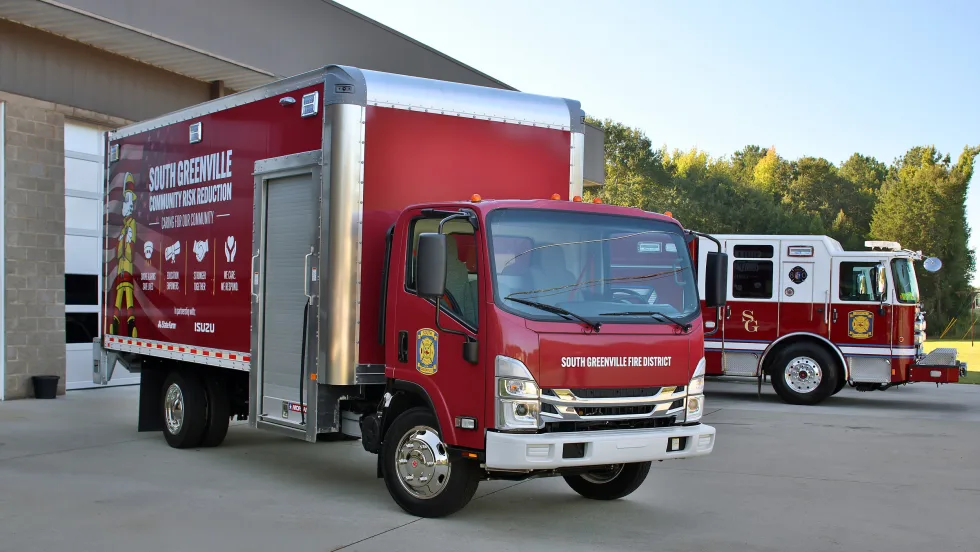
Isuzu Donates New N-SERIES NRR Truck to South Greenville Fire District to Support Community Outreach
Isuzu NRR equipped with Morgan truck body and PALFINGER liftgate will help support fire safety education, community engagement and outreach programs throughout Southern Greenville County.
Read More →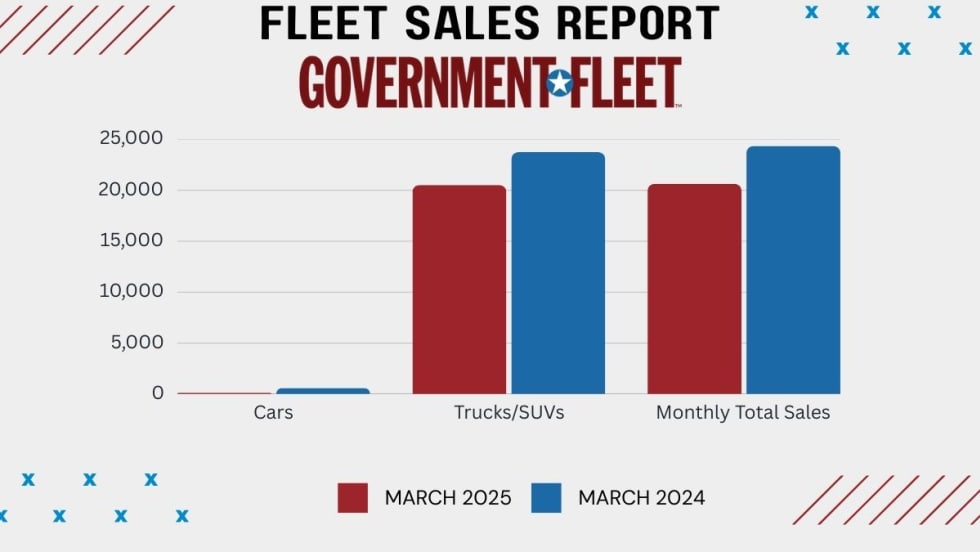
Government Vehicle Sales See Continued Growth from Beginning of Year
Government fleet sales rose from both January and February monthly totals, which were both under 20,000.
Read More →
Updated: Trump Signs Proclamation Imposing 25% Tariff on Auto Imports
A new proclamation signed by President Trump imposes a 25% tariff on imported passenger vehicles and key auto parts, citing national security concerns.
Read More →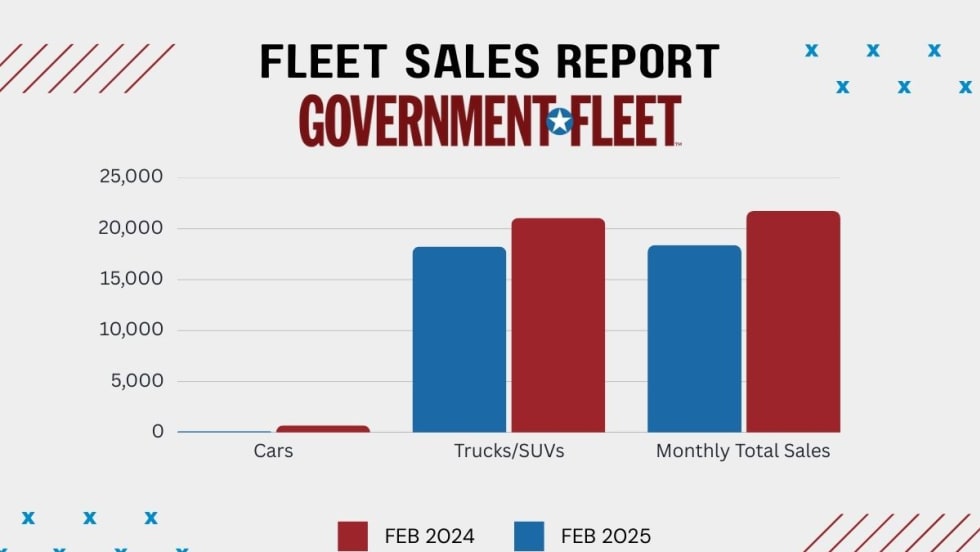
Government Vehicles Sales See Another Dip Compared to 2024
Government fleet sales last month came in at 18,383 vehicles, falling 15.4% from 21,737 in February 2024.
Read More →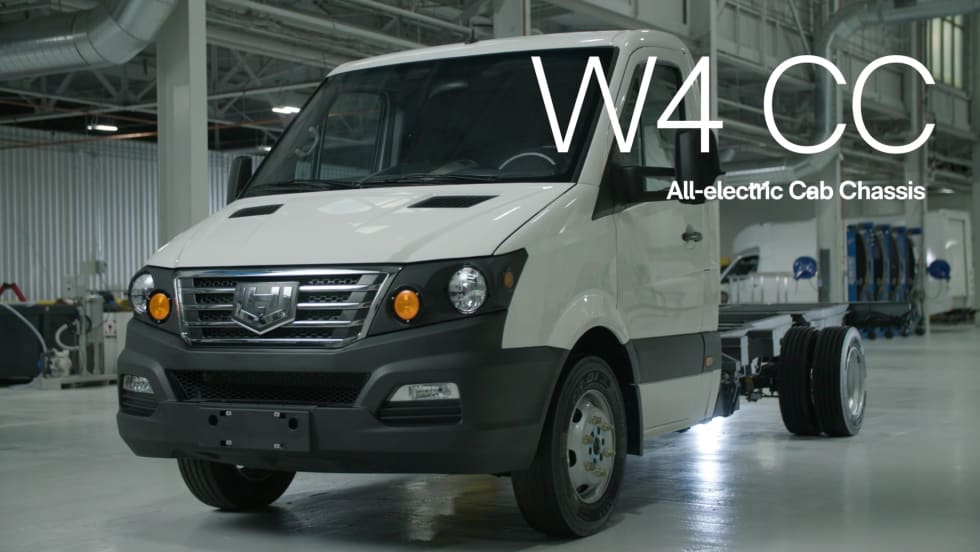
Washington Municipality Adds Workhorse Electric Trucks to Fleet
The municipality will deploy two W4 CC electric work trucks for trash and recycling can switch-outs, enhancing the efficiency of its waste management services.
Read More →
From the Archives: Changes in Fleet Acquisitions
When vehicles become harder to acquire, fleet managers must balance keeping vehicles on the road longer while managing the escalating operating costs of older vehicles.
Read More →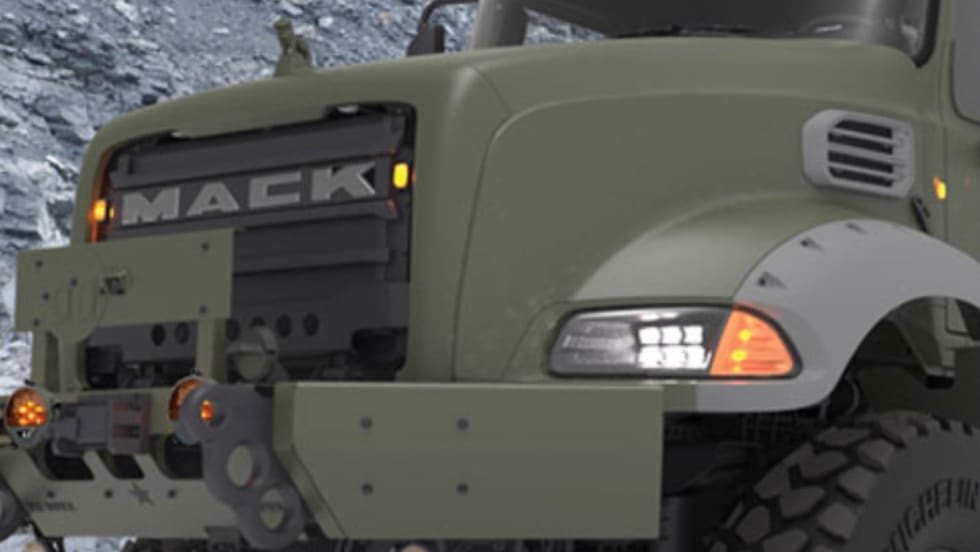
Mack Defense Awarded Contract By U.S. Marine Corps To Develop Medium Tactical Truck
The U.S. Marine Corps awarded Mack Defense a 12-month contract for the initial development of a new Medium Tactical Trucks (MTT) fleet.
Read More →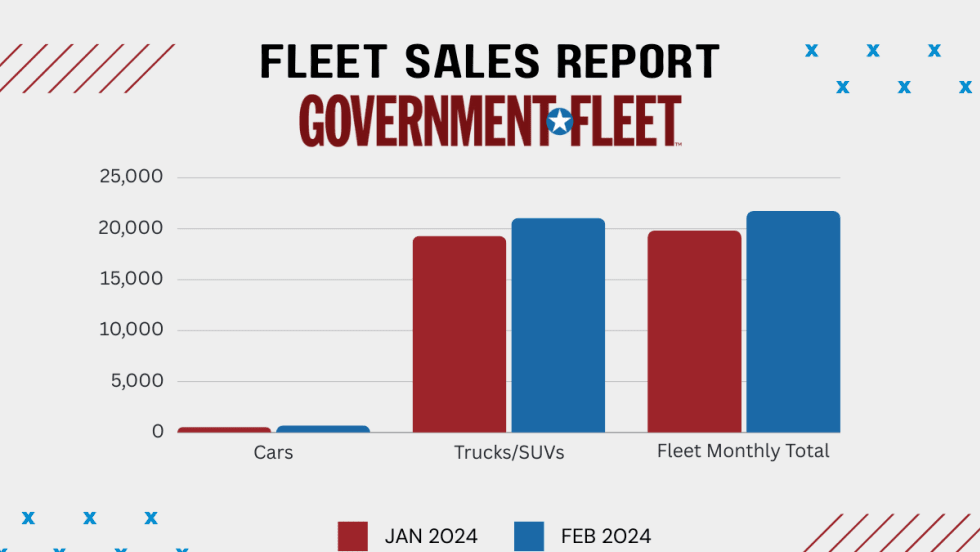
Government Vehicle Sales Rise from January to February
Government vehicle sales continue to rise into 2024 with both car and truck/SUV sales climbing between January and February of 2024, according to Bobit/Government Fleet sales data released March 2.
Read More →
How the UAW Strike Affected Government Fleet Orders from the Big 3
Government Fleet asked the Big 3 how their operations have been in the weeks since the UAW strike ended, with new contracts ratified. Plus, automakers address concerns about vehicle delivery delays.
Read More →