




NYC Fleet Purchases Average 100 MPG
New York City’s light-duty fleet purchases averaged 100 mpg in fiscal-year 2018.

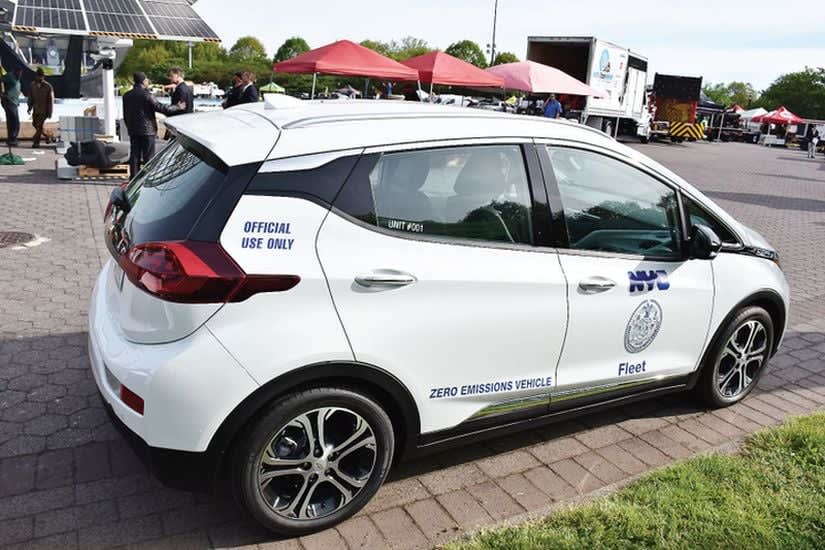
Electric vehicles help boost the mpg of the New York City fleet.
Photo courtesy of New York City
New York City’s light-duty fleet purchases averaged 100 MPG in fiscal-year 2018, its Department of Citywide Administrative Services (DCAS) announced. This achievement is part of Mayor Bill de Blasio’s NYC Clean Fleet Plan and nearly doubles the average fuel economy from vehicles purchased just three years ago.
“NYC Fleet employs sedans, SUVs, small pickups and mini-vans, the same vehicles and makes that most Americans drive daily,” said Keith Kerman, DCAS deputy commissioner and NYC chief fleet officer. “We are successfully employing hybrid and electric models, reducing fuel use and maintenance costs, and operating in every type of condition. We are moving forward on fuel economy, not backwards.”
In FY-18, the city, through DCAS, has invested $36 million to purchase more than 1,000 alternative-fuel vehicles, including 581 plug-in electric or solar units. This includes 452 electric sedans, 51 mobile solar light towers, and its first two plug-in mini-vans.
DCAS achieved the 100 MPG mark through a combination of electric cars, hybrid SUVs, and small pickups. The vehicles purchased during FY-18 will reduce fossil fuel use by nearly 70% compared to traditional vehicles, according to the DCAS.
Recent clean fleet milestones include purchasing the city’s 1,700th electric and plug-in vehicle, beginning the use of renewable diesel, and installing 37 solar charging carports. The city fleet has 18,500 units that use some form of alternative fuel, including biodiesel, renewable diesel, electricity, and natural gas.
The NYC Clean Fleet initiative was announced by Mayor de Blasio in 2015. Under the plan, the city will cut municipal vehicle emissions in half by 2025 and 80% by 2035.
More Procurement
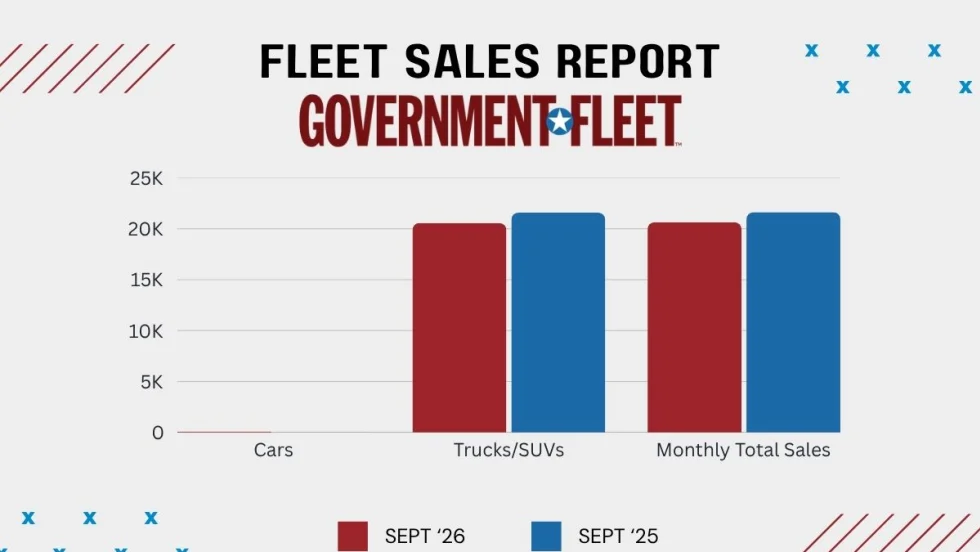
Government Fleet Car Sales More Than Double in September
Government fleet car sales rose 112.8% year over year in September, climbing from 39 to 83 units even as total monthly sales declined 4.5%.
Read More →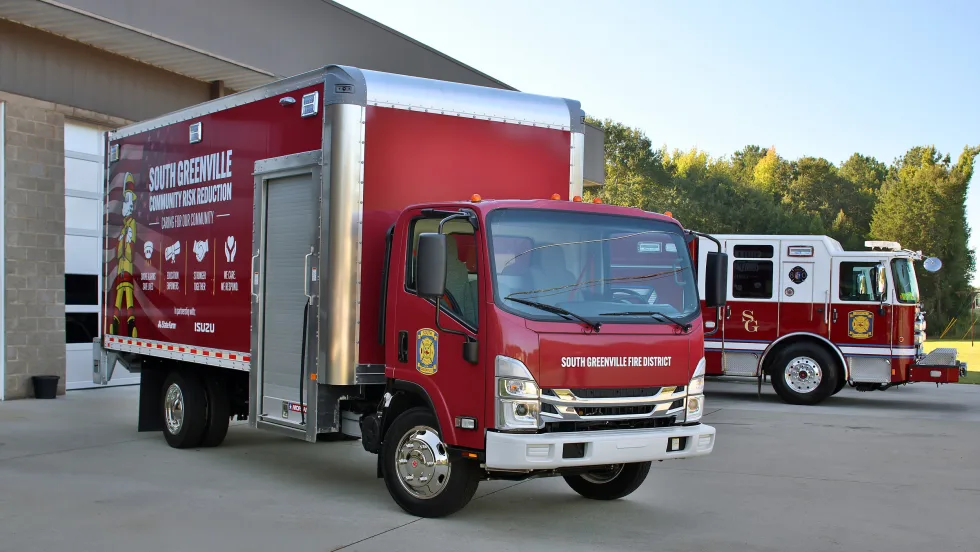
Isuzu Donates New N-SERIES NRR Truck to South Greenville Fire District to Support Community Outreach
Isuzu NRR equipped with Morgan truck body and PALFINGER liftgate will help support fire safety education, community engagement and outreach programs throughout Southern Greenville County.
Read More →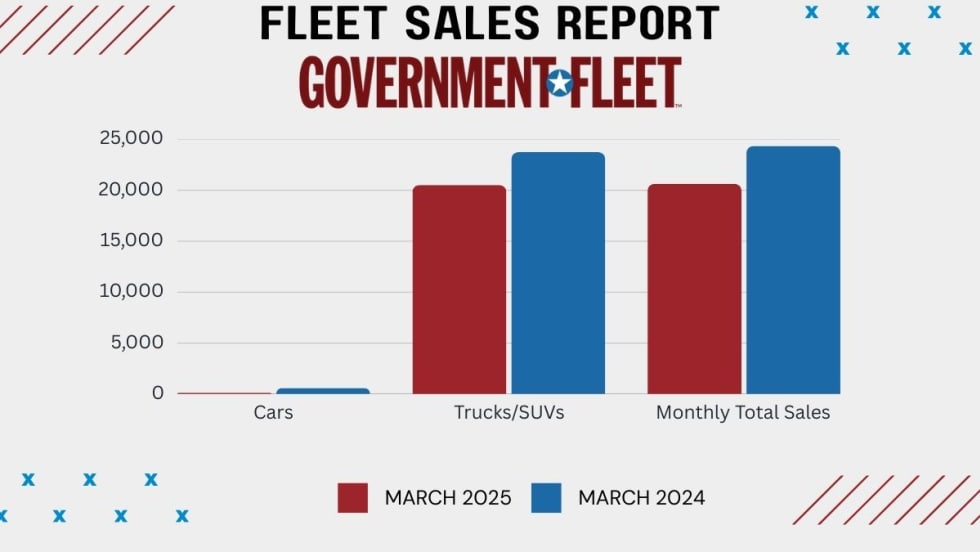
Government Vehicle Sales See Continued Growth from Beginning of Year
Government fleet sales rose from both January and February monthly totals, which were both under 20,000.
Read More →
Updated: Trump Signs Proclamation Imposing 25% Tariff on Auto Imports
A new proclamation signed by President Trump imposes a 25% tariff on imported passenger vehicles and key auto parts, citing national security concerns.
Read More →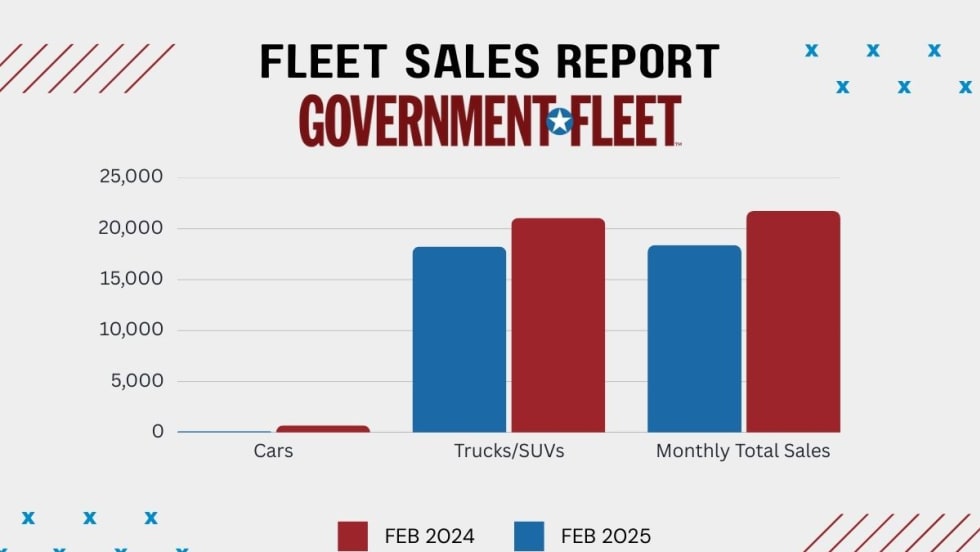
Government Vehicles Sales See Another Dip Compared to 2024
Government fleet sales last month came in at 18,383 vehicles, falling 15.4% from 21,737 in February 2024.
Read More →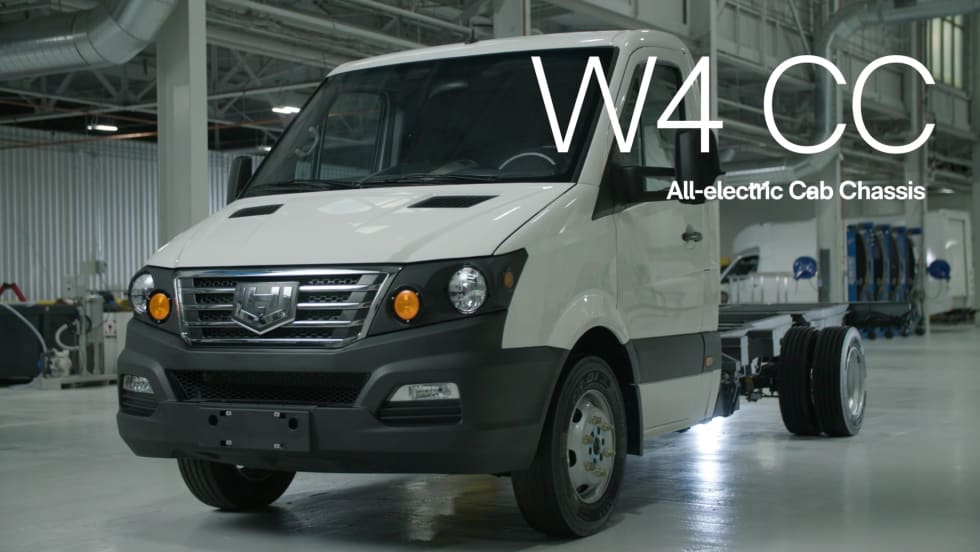
Washington Municipality Adds Workhorse Electric Trucks to Fleet
The municipality will deploy two W4 CC electric work trucks for trash and recycling can switch-outs, enhancing the efficiency of its waste management services.
Read More →
From the Archives: Changes in Fleet Acquisitions
When vehicles become harder to acquire, fleet managers must balance keeping vehicles on the road longer while managing the escalating operating costs of older vehicles.
Read More →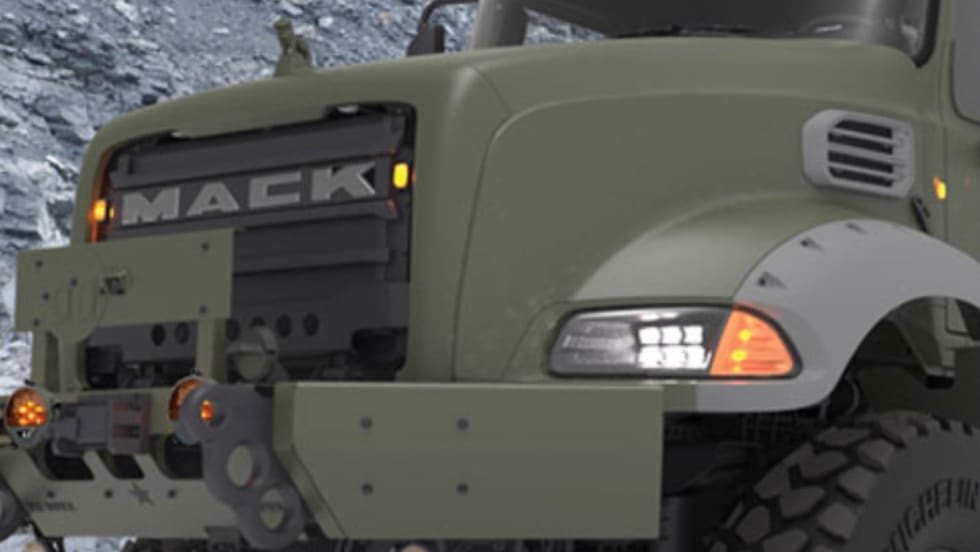
Mack Defense Awarded Contract By U.S. Marine Corps To Develop Medium Tactical Truck
The U.S. Marine Corps awarded Mack Defense a 12-month contract for the initial development of a new Medium Tactical Trucks (MTT) fleet.
Read More →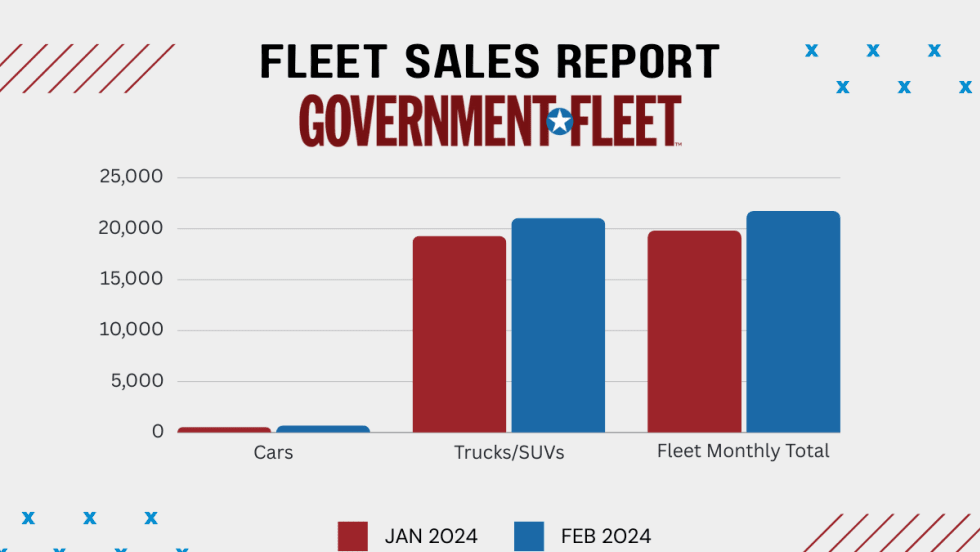
Government Vehicle Sales Rise from January to February
Government vehicle sales continue to rise into 2024 with both car and truck/SUV sales climbing between January and February of 2024, according to Bobit/Government Fleet sales data released March 2.
Read More →
How the UAW Strike Affected Government Fleet Orders from the Big 3
Government Fleet asked the Big 3 how their operations have been in the weeks since the UAW strike ended, with new contracts ratified. Plus, automakers address concerns about vehicle delivery delays.
Read More →