




Addressing the Recruiting Problem
Fleet managers are taking steps to combat the technician recruiting problem, and these steps are adding up to results.

We’ve talked about the retirement wave and the recruiting problem. Baby-boomer-aged technicians are retiring and no one wants to replace them. Government jobs don’t pay enough to be enticing, and benefits have been cut so much, they aren’t much of a recruitment tool. Local media talks about government waste and excessive overtime, sometimes unfairly, creating a sense that government is inefficient and perhaps not a place where you want to work.
It seems like the odds are against the industry. Despite all this, fleet managers are taking steps to combat the problem, and these steps are adding up to results.
Not Enough Money
I recently saw an editorial in a local newspaper, with the headline asking if government workers’ salaries were too low. It highlighted a county commission meeting where employees — including fleet employees — discussed how their pay was lower than those in neighboring cities and counties. One employee talked about how good benefits had always made up for low pay, but as the benefits were changed or taken away, turnover increased and morale and productivity plummeted.
Expressing concerns to elected officials, and providing proof, can lead to much-needed raises for staff members. Salary comparisons have worked for other public agencies and fleets, and managers should continue to propose these when appropriate. Some fleets are adding monetary incentives for technical certifications, or they’re offering stipends to train apprentices. They’re finding any way they can to reward their technicians, and at a time when some fleets are still feeling the effects of the recession, it’s good to know some are successfully able to advocate for their employees.
Not Enough Interest
Higher pay is just one part of the problem. The other part is that there aren’t enough technicians to go around. Fleet managers have reported the number of qualified applicants for open positions is significantly dropping. The public sector technician position is not glamorous; it is physically demanding, and the pay is not amazing. Kids aren’t known to say they want to grow up to be automotive technicians (except for my husband, who actually said this but did not end up being one).
To combat this, we’ve seen fleet internship and apprenticeship programs, which seem to be more common. Fleets have reached out to us to spread the word about recruitment. Local fleet organizations spread news about technician openings to their members. It’s been talked about at fleet conferences and meetings. I personally have tried to recruit a technician from a preventive maintenance shop by telling him all about government fleet positions — he had no idea these jobs existed.
I recently encountered what I thought to be a very effective message. When perusing the website of an Arizona-based newspaper, a full-screen web ad popped up, asking me if I was interested in a career as a maintenance technician. The ad from a county career center was eye-catching, expressed urgency, and told me about available paid internships and scholarships and how to get more information. And it was targeting the right people — local newspaper readers from outside the industry.
A lot of entities are doing their part to address this problem: fleets, Human Resources departments, colleges and technical schools, OEMs, etc. Fleets are just one part of the solution, and the fleets that have decided to do something about it are benefitting.
How has your fleet made an impact on this problem?
More Blog Posts
Understanding the Road to Improved Operations
Every fleet has goals, but meaningful progress depends on knowing where the operation stands and continuing forward when the path changes.
Read More →
Navigating the Crossroads of Data and New Technologies
As data volumes increase and emerging technologies advance, where do government fleets stand? Takeaways from Samasara Go Beyond Public Sector 2026.
Read More →
When the Roadblocks Hit, Where is Your Inspiration?
It can be easy to get caught up in the busy day-to-day of fleet, but when the problems pile up, that's when it's time to find the motivation to keep going.
Read More →
Is it Time for Change or Consistency?
Consistency can be good, but there comes a time when you have to step back and ask whether what you’re doing is the best approach.
Read More →
Blink and You’ll Miss It: Fleet Reflections from 2025
A note as we leave behind 2025 and plan for new ventures heading into 2026.
Read More →
It’s Far Worse Than a Technician Shortage…
A letter to government fleet leaders on the technician gap and how to rebuild the pipeline that keeps public services running.
Read More →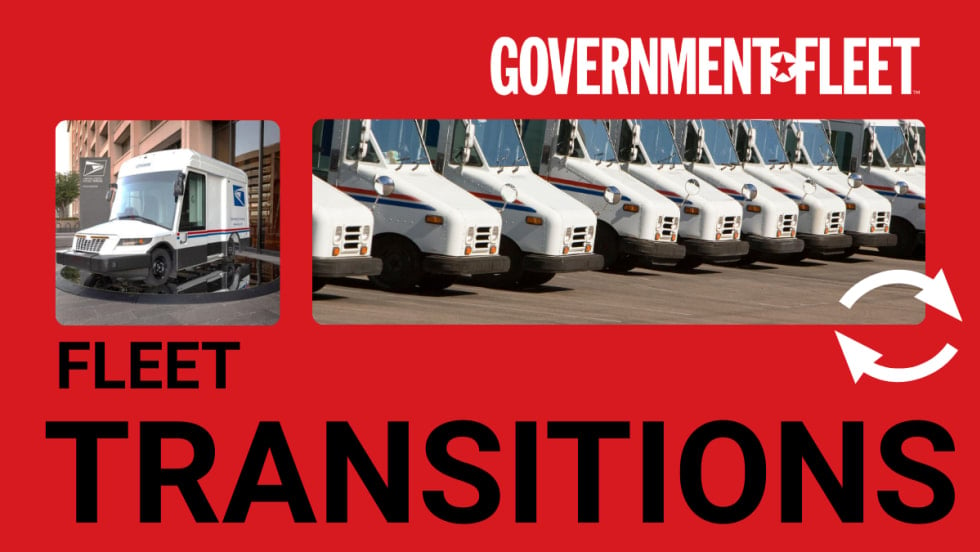
Public Perception of Your Fleet Changes
How fleet transitions shape public perception and how a well-managed rollout can influence your fleet's narrative.
Read More →
The Balancing Act: Stability vs. Shifting Leadership Priorities
With the revolving door of government leadership bringing new priorities fleets are expected to pivot, even if those pivots undermine long-term planning.
Read More →
How Technology is Driving Upgrades in the City of Columbus Fleet Operations
How the city of Columbus fleet has embraced change as a strategic driver, using technology to revolutionize how the fleet fuels, tracks, and measures performance across a 260-square-mile service area.
Read More →
At the End of the Day, Be Good to Yourself
When the stresses of your work life become too much, don't forget to prioritize yourself and find balance in each day.
Read More →