


At a Glance
Following the Great Recession, fleets:
Deferred vehicle replacements
Faced rising costs due to aging assets
Determined what to replace first.
 MENU
MENU SEARCH
Eight years after the Great Recession, fleets across the country are still recovering. Fleet managers share how their teams got through it and obtained the necessary funding for replacements.

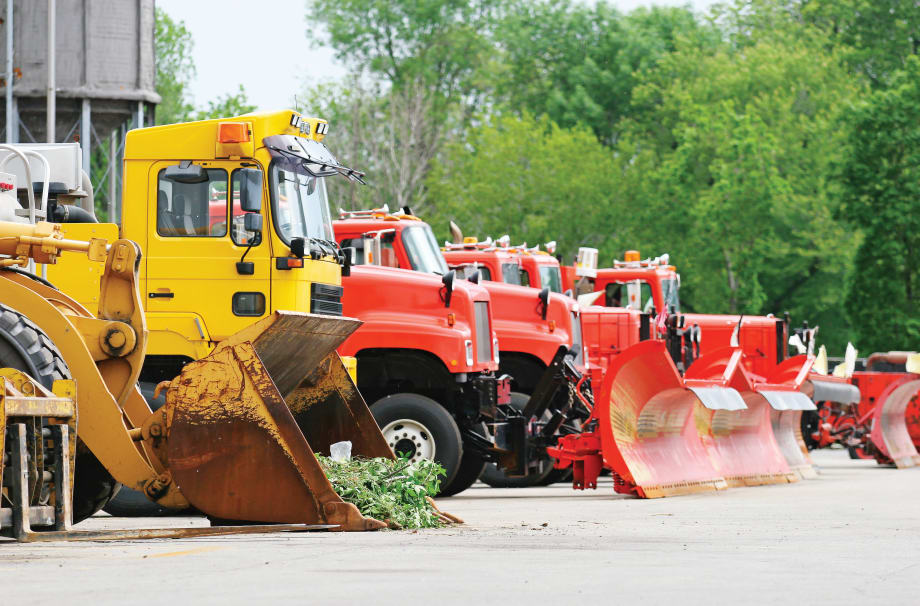
Due to the variety of public sector fleets, it can be difficult to set standards for replacements. Heavy-duty equipment, for example, cannot be measured against the same standard as sedans. Photo: Getty Images
Due to the variety of public sector fleets, it can be difficult to set standards for replacements. Heavy-duty equipment, for example, cannot be measured against the same standard as sedans. Photo: Getty Images
By the time the Great Recession ended in 2009, governments had been hit hard, and fleets were no exception. Funding was cut across the board, which meant reducing expenses to stay within limited budgets. As a result, many had to delay vehicle replacements, leading to aging vehicles and increased maintenance costs.
Eight years later, some fleets are still recovering. We spoke to a few fleet managers about how their fleets dealt with delayed replacement and how they tackled purchasing once funds became available.
The City of Raleigh, N.C., fleet consists of about 2,000 vehicles and 2,000 pieces of equipment. When the recession began, departments voluntarily delayed vehicle replacements. As it continued, more cuts were needed and fleet had to select vehicles for deferred replacement. Travis Brown, vehicle fleet services superintendent, said vehicles were chosen based on historical records.
“If it was a vehicle that had some age to it, had high mileage but not too high, and wasn’t in really bad shape and the maintenance costs had been fairly low, we would probably select those to keep a little longer,” Brown explained.
Of course, there are other ways to deal with limited budgets. Dakota County, Minn., eliminated 129 pieces of equipment, bringing the fleet down to 380 power units and 311 trailers, attachments, and small equipment.
Rick Hilmer, fleet manager for Prince George’s County in Maryland, said his county was hit hard. A significant portion of the county’s tax revenue came from residential real estate. It operates under a property tax cap, which meant it could not raise rates to recover lost funds once the housing bubble burst.
For five years, the fleet’s only purchases were to replace public safety vehicles lost the year before, while aging vehicles remained on the road. Of the county’s 1,800 police units, nearly half exceeded the fleet’s age or mileage requirements. The fleet was able to reduce its size by 10%, but more cuts were needed.
Between vacant and filled positions, fleet lost 20% of its workforce. In addition, furloughs continued for several years, so the fleet had to repair aging vehicles with limited manpower.
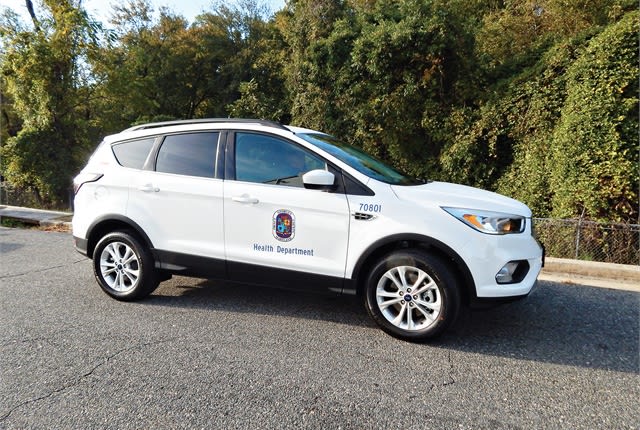
Prince George’s County, Md., ramped up vehicle replacements with help from user departments, who advocated for more fleet funding. Photo courtesy of Prince George's County
Over time, the economy recovered and funds became available to purchase more vehicles. But with so many vehicles to replace, which ones get priority?
Dakota County adopted a points system that assigns a point value to every vehicle based on a set of criteria (see table on page 16). Kevin Schlangen, CAFM, CEM, CPFP, fleet manager, said the system allows him to see what needs replacement first. It also benefits in the long term, as the fleet can use this to justify future purchases.
The Raleigh fleet began easing back into its normal replacement cycles four to five years ago, and made replacement decisions with help from its maintenance management system, which also assigns point values to vehicles. Fleet received enough funding to replace about 15-20% every year. Now the fleet is back to its regular replacement cycle.
In 2015, Prince George’s County officials approached fleet with a proposition: Replace the fleet in five years. Under this plan, fleet would receive $30 million every year. But recovery is not a return to business as usual for Hilmer. With these new funds, he is taking the opportunity to transform the fleet.
Hilmer said he is interested in adopting new technologies to modernize the fleet and make it greener. Unfortunately, he was unable to take advantage of emission-reduction grants offered shortly after the recession began because they were fund-matching grants. But now, the fleet plans to use the grants available and spend aggressively. When the five-year plan was first introduced, alternative-fuel vehicles comprised about 2% of the 5,000-vehicle fleet. Two years later, it’s up to 8%.
According to the National League of Cities’ annual City Fiscal Conditions Survey, cities’ general fund revenues still have not fully recovered from the recession and stand at less than 98% of 2006 levels. General fund revenue growth is also slowing and is projected to stagnate with 0.9% growth in 2017. In contrast, expenditures are anticipated to increase by 2.1%.
It’s a stark reminder that recovery periods end, too. This is why it is important to catch up when possible and ensure that these funds are being maximized.
“As soon as you can, get back on your regular cycle. It’ll cost you less in maintenance costs,” Brown said. “And with the technology in a lot of the vehicles, they’re not getting any cheaper.”
Don’t forget the old units, either. Brown noted that fleets should get rid of the vehicle being replaced as soon as possible in order to recoup the most funds.
Similarly, Schlangen said new funds only cover about 70% of his fleet’s purchases. The other 30% should come from remarketing revenue and grants.
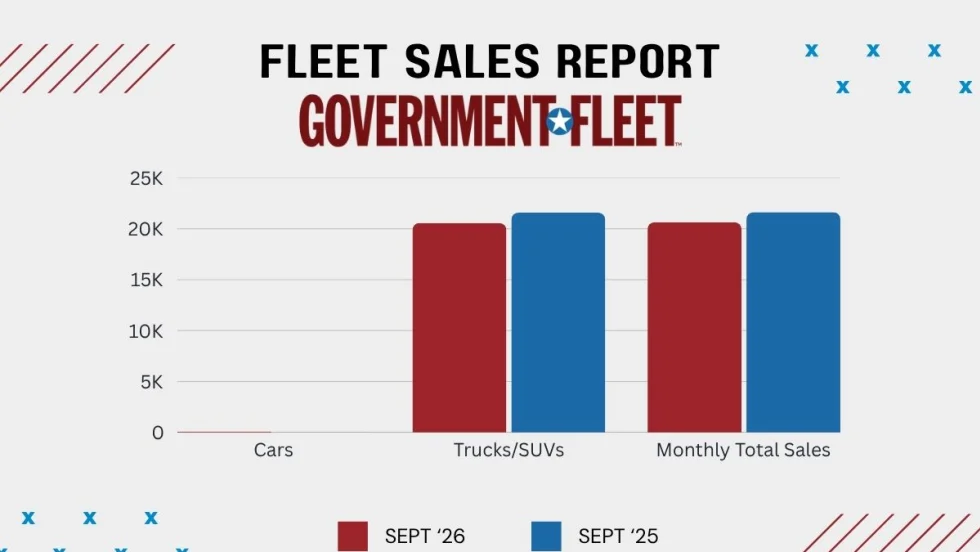
Government fleet car sales rose 112.8% year over year in September, climbing from 39 to 83 units even as total monthly sales declined 4.5%.
Read More →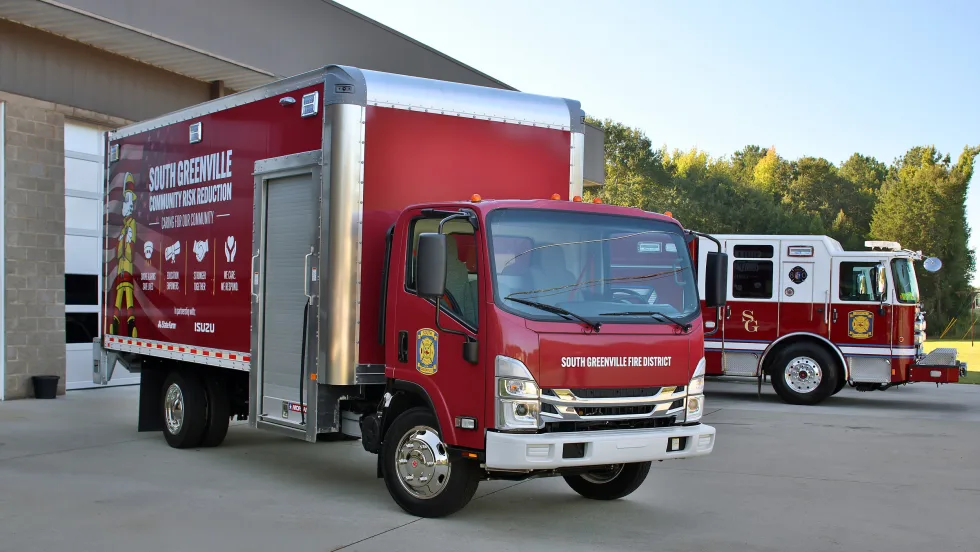
Isuzu NRR equipped with Morgan truck body and PALFINGER liftgate will help support fire safety education, community engagement and outreach programs throughout Southern Greenville County.
Read More →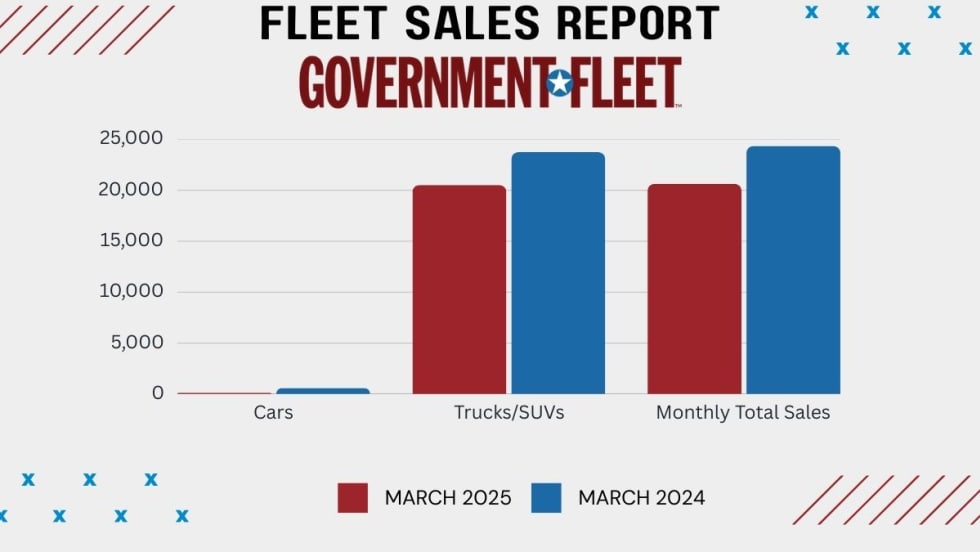
Government fleet sales rose from both January and February monthly totals, which were both under 20,000.
Read More →
A new proclamation signed by President Trump imposes a 25% tariff on imported passenger vehicles and key auto parts, citing national security concerns.
Read More →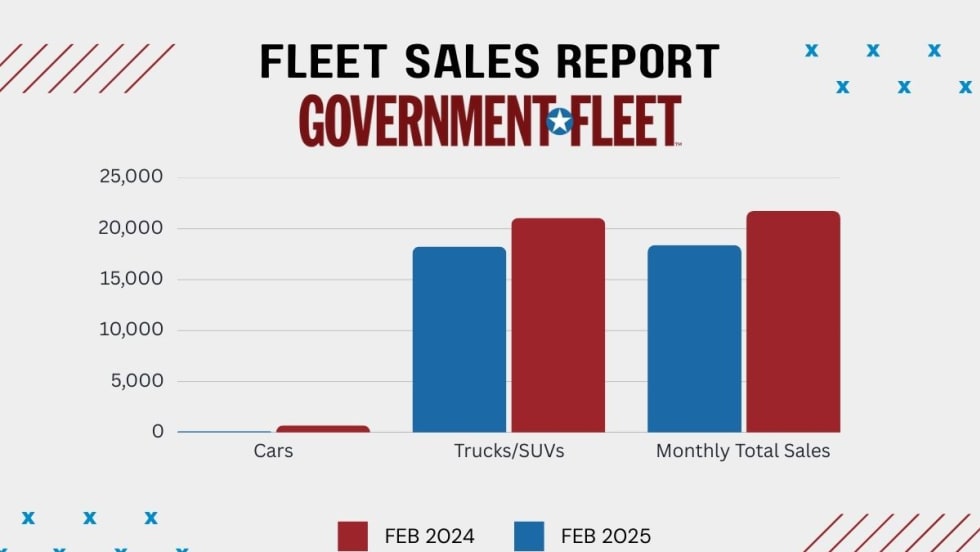
Government fleet sales last month came in at 18,383 vehicles, falling 15.4% from 21,737 in February 2024.
Read More →
The municipality will deploy two W4 CC electric work trucks for trash and recycling can switch-outs, enhancing the efficiency of its waste management services.
Read More →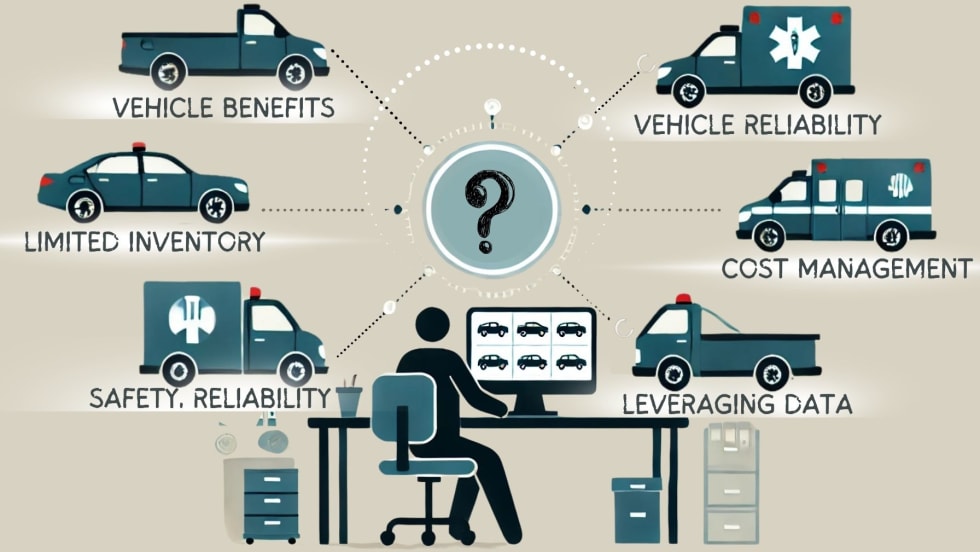
When vehicles become harder to acquire, fleet managers must balance keeping vehicles on the road longer while managing the escalating operating costs of older vehicles.
Read More →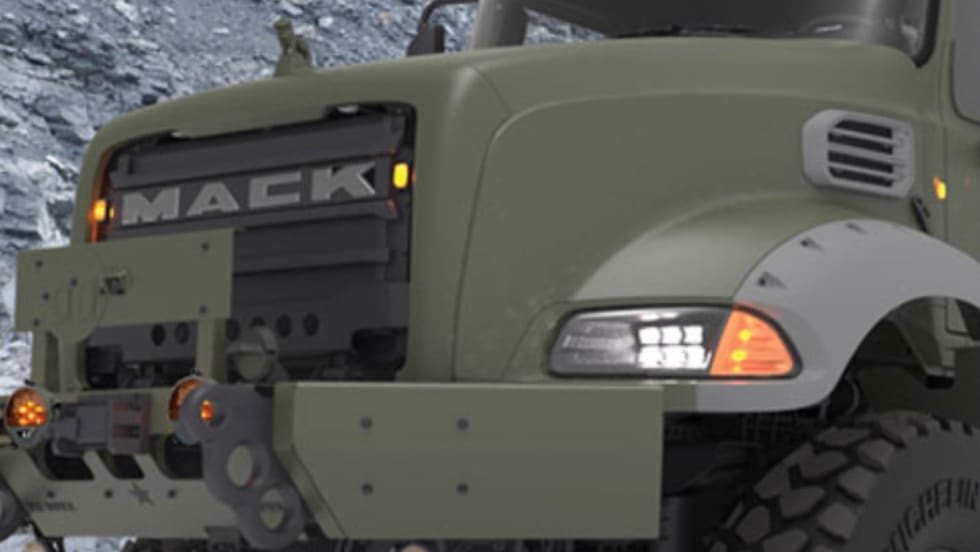
The U.S. Marine Corps awarded Mack Defense a 12-month contract for the initial development of a new Medium Tactical Trucks (MTT) fleet.
Read More →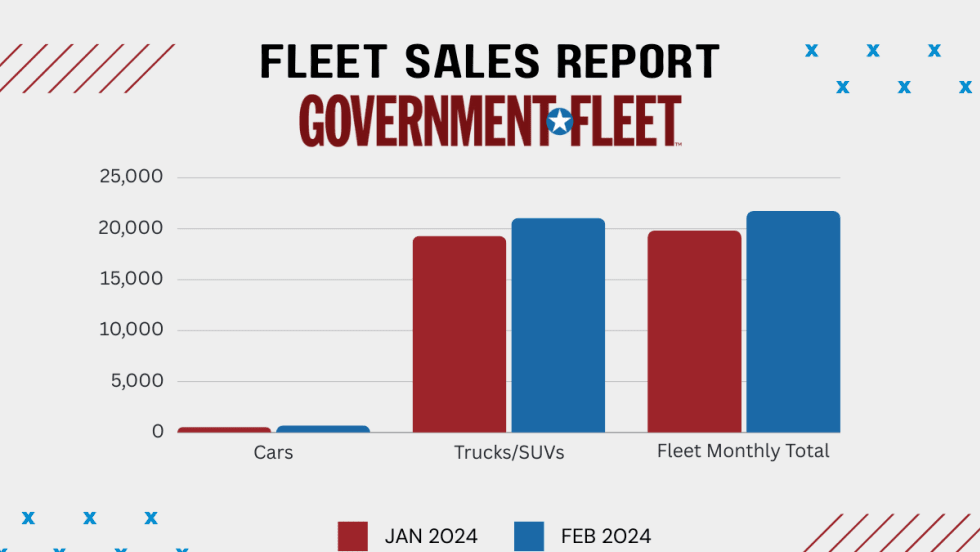
Government vehicle sales continue to rise into 2024 with both car and truck/SUV sales climbing between January and February of 2024, according to Bobit/Government Fleet sales data released March 2.
Read More →
Government Fleet asked the Big 3 how their operations have been in the weeks since the UAW strike ended, with new contracts ratified. Plus, automakers address concerns about vehicle delivery delays.
Read More →