




Photo Gallery: Chevrolet's 2017 Bolt EV
Chevrolet Bolt EV Electrifies Public Fleets
The 2017 Chevrolet Bolt EV's biggest advantages are its 238-mile range and more affordable price point.

Paul Clinton・Senior Web Editor
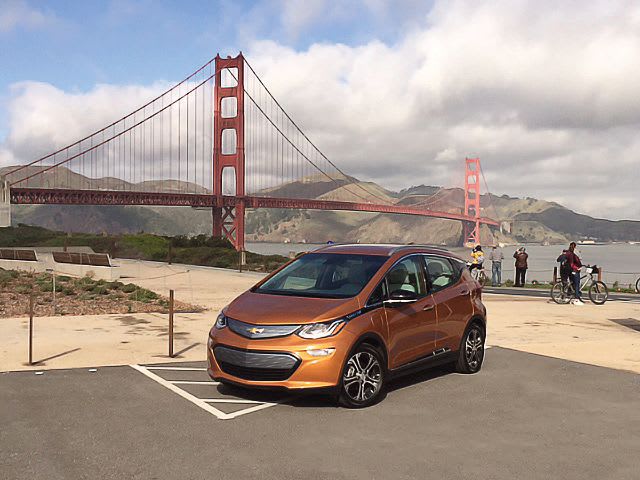
Chevrolet is rolling out the Bolt EV in waves, starting with California and Oregon. Photo: Paul Clinton
3 min to read
Chevrolet is rolling out the Bolt EV in waves, starting with California and Oregon. Photo: Paul Clinton
General Motors may just have a game-changer on its hands with the 2017 Chevrolet Bolt EV, a lithium-ionpowered hatchback that’s fun to drive and provides enough charge to meet most commutes. It has also captured the gaze of government agencies, which see it as a solution for meeting green-vehicle adoption mandates.
“We’re enjoying a strong fleet demand for the Bolt EV and will begin deliveries in select markets later this year,” said Chris Hoolehan, General Motors’ director of fleet and government sales. “In particular, our municipal customers have expressed interest in these vehicles, which deliver on price, functionality, and range while also helping satisfy their fleet sustainability objectives.”
The Bolt EV is the most capable battery-electric vehicle on the market that’s not named Tesla with a much more affordable price — $37,495 before any rebates or incentives. The entry price is for the LT trim; buyers can also choose the Premium trim.
The Bolt EV is aiming for mass-market appeal, as initial marketing seeks to educate potential buyers and emphasize that it’s a car first, and a green car second. Chevrolet is rolling out the Bolt EV in waves, starting with California and Oregon in December 2016 and reaching other states in February this year. It will arrive in all 50 states by September.
New York City’s Department of Citywide Administrative Services has already ordered 50 for its motor pool.
“We are expecting them to arrive this spring,” said Keith Kerman, deputy commissioner and chief fleet officer. “The Bolts will be our longest range electric vehicles yet, at over 200 miles per charge. These Bolts will be used as part of our first citywide shared fleet — vehicles to be made available to all 50 agencies that DCAS serves using car share technology. These units will also be among our first in the fleet with automatic braking for safety.”
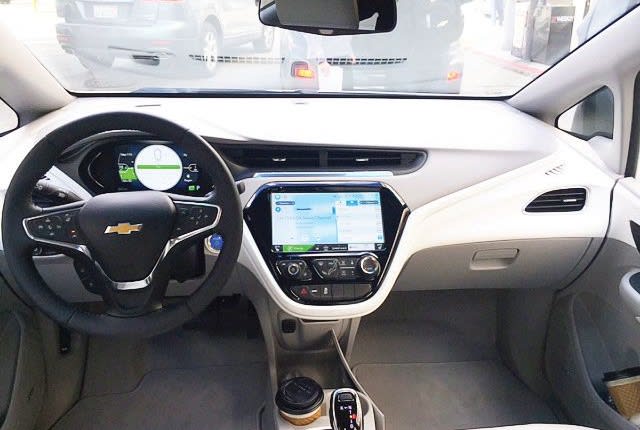
The Bolt EV’s 8-inch driver information center and 10.2-inch diagonal color touch screen deliver an array of real-time vehicle information. Photo: Paul Clinton
Larger Battery, Lower Maintenance Costs
When driven under ideal conditions, the Bolt EV could reach the U.S. Environmental Protection Agency’s range of 238 miles. The Bolt EV brings plenty of design and engineering innovations to the table, including the design of its LG Chem-supplied battery pack. The pack, which weighs more than 900 lbs., lies flat on the chassis like a carpet and seems to steady the vehicle to reduce body sway. The liquid-cooled pack stores 60 kilowatt-hours of energy.
DC fast-charging is enabled by a Combined Charging System (CCS). A public CCS charger can deliver about 90 miles of range in 30 minutes, while achieving a full charge on a Level 2 charger could take up to 9.5 hours.
Maintenance costs should be significantly lower than a comparable gasoline-powered vehicle. Every 7,500 miles, Chevrolet recommends buyers rotate tires, check coolant level, check windshield washer fluid, check tire wear and inflation, inspect the brake system, and lubricate body components. The air filter must be replaced every 36,000 miles. At 150,000 miles or five years, owners should drain and fill vehicle coolant lines. At five years, owners should replace the brake fluid, according to the owner’s manual.
The Bolt EV should also advance historically low electric vehicle residual values. After a three-year lease at 12,000 miles per year, it should retain up to 39% of its value, according to an ALG forecast.
Subscribe to Our Newsletter
More Green Fleet
Sustainability Partners, Energy Systems Group Help Albuquerque Close the Gap on its 100% Renewable Energy Goal
The eight-site, 6 MW solar project has advanced the city toward 100% renewable energy for municipal operations.
Read More →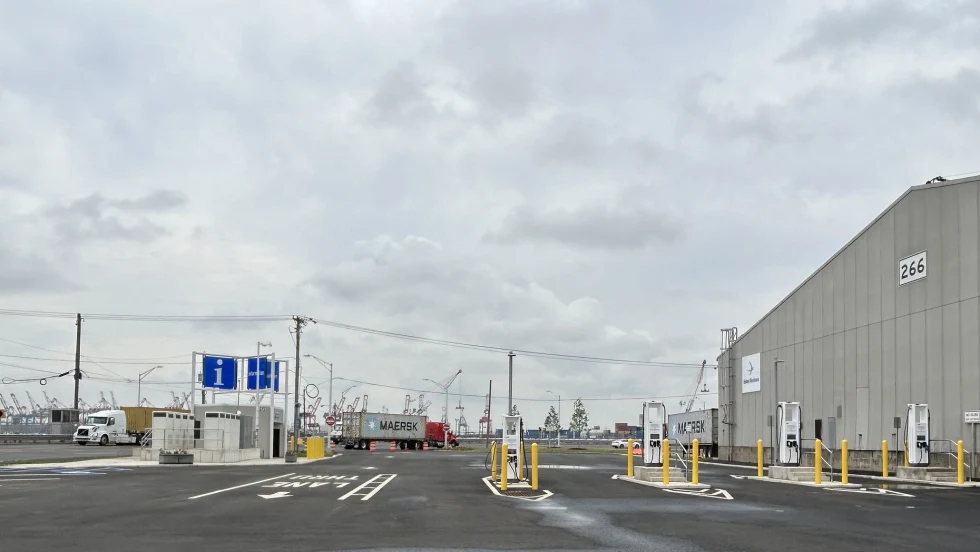
Port Authority and CALSTART Launch $45 Million Electric Truck and Charging Programs
The programs aim to boost sustainable operations across the East Coast's busiest seaport.
Read More →
Moving Government Fleets Beyond the Vehicle Purchase: EV as a Service
A discussion on how EVaaS is moving beyond pilot programs and what fleets should consider before beginning a larger deployment.
Read More →
Moving Government Fleets Beyond the Vehicle Purchase: EV as a Service
As fleets move beyond small EV pilots, Sustainability Partners CEO Adam Cain explains how EVaaS can address the infrastructure and long-term planning required for larger deployments.
Read More →
Peterbilt Expands Sourcewell Partnership with Electric Vehicle Lineup
The agreement aims to provide streamlined procurement of Peterbilt trucks for government, education, nonprofit and tribal organizations across the United States and Canada.
Read More →

EV Adoption & Charging Challenges
Where is your fleet in the journey of vehicle electrification? If you're still looking for answers to fleet electrification you've come to the right place.
Read More →
Hawaii Passes Clean Fuel Policy
Hawaii lawmakers passed clean fuel legislation that could support renewable natural gas production, biogas-powered transportation, and lower-carbon fueling options for public and commercial fleets.
Read More →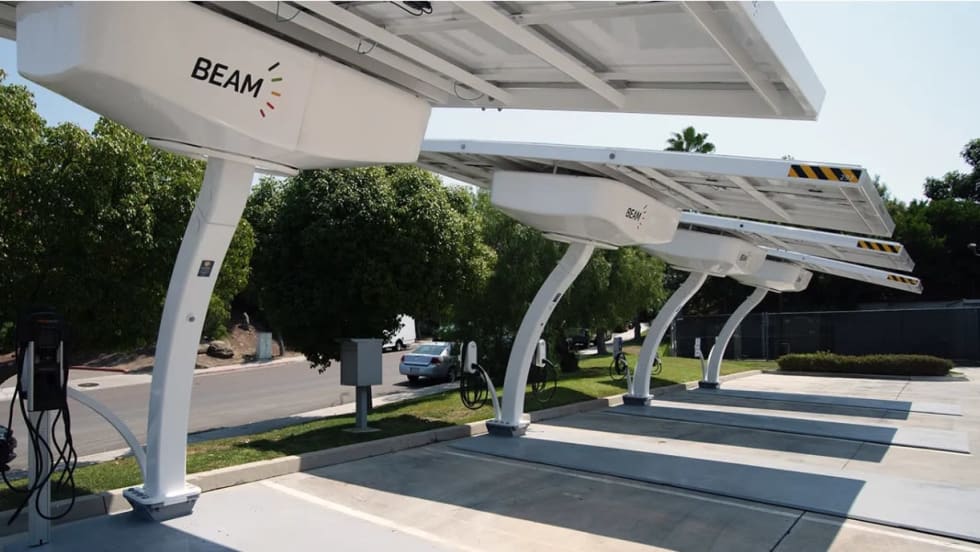
Stanislaus County Deploys Ten Beam Global EV ARC Systems to Support County Fleet Electrification
Stanislaus County deployed 10 off-grid solar-powered EV charging systems and a mobile charging trailer from Beam Global to support its electric fleet operations and emergency response flexibility.
Read More →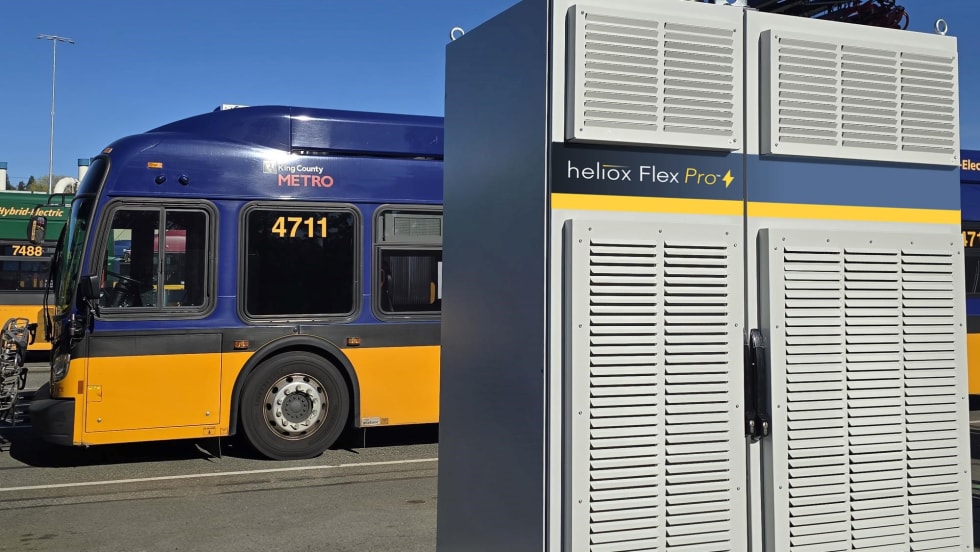
Heliox Pilots 480-kW Bus Charger with King County Metro
King County Metro is piloting Heliox’s new 480-kW Flex Pro charger to support expansion of its battery-electric bus fleet and depot charging infrastructure. The compact charging system supports pantograph and plug-in charging configurations for high-density transit operations.
Read More →