




Replace vs. Refurbish Fire Apparatus
The fleet manager’s challenge is to provide compelling justification for replacement-unit funding. Refurbishing can be costly, while purchasing cooperatives can alleviate the time-consuming process of purchasing.
The economic theory of vehicle replacement is a concept that remains a standard for vehicle replacement considerations. The theory states that as a vehicle ages, the cost of capital diminishes and its operating cost increases. The combination of these two costs produces a total cost curve and suggests the optimal time to replace any piece of apparatus is when the operating cost begins to exceed the capital costs. This optimal time is usually not a specific fixed point, but a range over time. Graph 1 illustrates a flat spot at the bottom of the total cost curve that represents the “replacement window.”
Deferring replacement purchases to accommodate temporary budget constraints may not increase total fleet costs immediately. If an agency has not done a good job of routinely replacing equipment in a timely manner, a temporary reduction in replacement spending can result in quickly increasing fleet maintenance and repair expenditures. Those officials who assume that deferring replacement
purchases is a good tactic to help balance the budget need to understand that two events may occur:
1. Costs are transferred from the capital budget to the operating budget.
2. Such deferral may increase overall fleet costs.
Regardless of its net effect on current fleet costs, the deferral of replacement purchases unquestionably increases future replacement spending needs, often resulting in growing and increasingly unmanageable equipment-replacement backlogs. There is also the tempting practice to retain more units than required to supply substitute or short-term replacements due to increasing downtime with frontline apparatus.
Consider Direct & Indirect Costs
Many fleet managers tend to focus on replacement planning based on budgeted costs because these costs are more visible and easier to quantify; for example: parts, labor, fuel, tires, etc. Indirect
asset costs are more elusive in quantifying, but should carry significant consideration, such as safety, availability, functionality, and reliability.
Keep in mind when dealing with fire apparatus, life safety issues are involved, and not simply vehicles used to transport people. Therefore, when considering replacements, remember that the fire service has steadily improved over the years and with improvements comes the need to stay current with the appropriate tools to perform that mission.
For most public fleets, replacing fire apparatus remains tentative at best for the obvious reason — funding. Pumpers today may easily approach the $350,000 level; aerials may cost more than $750,000. No matter the size of the agency, apparatus this expensive always comes under scrutiny when replacement time approaches.
Therefore, the fleet manager’s challenge is to provide compelling justification as he or she competes for funding with other departments or agencies. A fleet manager’s worst nightmare is lack of a predictable replacement plan, as the fleet manager has little wiggle room in managing apparatus maintenance. A convincing replacement plan, in which replacements are automatic and easy, would be the ideal condition.
Criteria-based replacement plans generate the timing of replacement discussions. Some of these criteria are mileage, hours of operation, age, new technology, safety, fuel usage, quality of the preventive maintenance program, number of “runs,” manufacturer quality, driver skills (or lack of ), components used, parts availability, and current condition. Mileage, hours of operation, and age are easy to quantify; however, new technology, safety, fuel, and maintenance efficiencies are more difficult to quantify because these criteria suggest future improvements.
Expectations play a part in these criteria. Expectations are like insurance — you do not know if you will need it. You are in the position of having to convince your financial people that improvements in the future model have significant benefits that either will improve safety and operation or reduce expenditures. There is general agreement the apparatus’ day-to-day care and the quality of maintenance and repair are the most significant factors in determining how well the apparatus performs and ages.
Many agencies typically rely on age, mileage, hours of operation, condition, or a combination of two or more. In most cases, however, the fleet manager is requested to provide additional justification to replace the apparatus rather than relying on the “old standbys.” From an administrative point of view, most fire fleets use age as the first “cut” in setting a replacement target.
Once an apparatus approaches the target age, some or all of the other criteria come into play. Table 2 contains a replacement matrix with quantifiable criteria that can be used to develop a justification standard.
In reality, any fire apparatus replacement represents two replacements. The apparatus that goes out of service is the older reserve. However, the new unit is really replacing the front-line apparatus that has now moved to reserve status. This latter case is where new technology, safety, and fuel consumption are the criteria that must be “pushed” and justified to finance administrators and elected officials. For example, not too many years ago, a 500-gallon per minute (gpm) pump was the norm on most pumper units; today, however, 1,000 to 1,500 gpm is more common.
Regrettably, the fire service standard does not include objective replacement criteria accepted universally among the fire service, government financial officers, and elected officials. Such criteria would make replacements easier to defend. The easiest way to begin establishing replacement criteria is to survey similar agencies in size, geography, and number of runs. However, survey candidates should have credibility with your organization’s financial officers and elected officials. An agency may meet your survey criteria, but a senior official may not have confidence in your selection due to a particular bias.
Refurbishing Presents Obstacles
Some agencies may consider refurbishment over replacement when capital
funds are in short supply. The National Fire Protection Agency (NFPA)
does provide NFPA 1912, a guideline specifically covering refurbishment in considerable detail. Use caution when evaluating the cost/benefit of refurbishment or updating an apparatus relative
to the cost of a new unit. Depending on its scope, refurbishment may easily run more than the cost of a new unit. NFPA 1912 does not recommend refurbishing a unit more than 20 years old.
Refurbishment raises a number of obstacles. First, refurbishment specification is complex if the intent is to bring a piece of apparatus to a new performance standard. Additionally, the complexity of installing new or improved functionality requires an engineering review. The OEM is best prepared to handle this situation to ensure your specification can actually work.
Second, a major refurbishment — everything except a paint job — must be performed by the OEM. This process entails developing the specification and transport to the manufacturer’s location for the work required, leading to a third obstacle. In many cases, the time delay in refurbishment is longer than building a new apparatus. One obvious reason for this delay is the teardown of the older equipment. It is not unusual for a vendor to take a minimum of 12 months in actual refurbishment. Adding a minimum of six months for specification development, and the purchasing function will total 18-24 months before the apparatus returns to service. This means a reserve apparatus must be pressed into operation for that period.
Another consideration is satisfaction with the apparatus manufacturer for possible refurbishment.Why go through the specification and bid processes to consider awarding to a less-than-satisfactory vendor? Obviously, rational and quantifiable reasons for rejecting a specific vendor must be outlined.
Purchasing Process Takes Time
The purchasing function at best is tedious and time-consuming. Dealing
with purchasing practices in a large city bureaucracy often requires a minimum of six months to develop specifications, go through the purchasing review process, verify funding, advertise, conduct pre-bid meetings, submit change orders, awards, and obtain final approvals.
Some of this purchasing process can be short-circuited if the specification and bid are already in place. In many areas of the country, cooperative purchasing arrangements are administered by quasi-government purchasing entities that follow competitive bid guidelines. Unless the functionality required is specialized, smaller agencies, or those agencies purchasing limited quantities may find it more cost-effective to acquire units from a purchasing cooperative. Federal GSA bids many types of fire apparatus; if your agency allows the purchase and the specifications meet your requirements, the timetable may become shorter.
Often, a cooperative purchasing agency will charge administrative fees that cover the cost of developing the specification and bidding. These fees may approach 1-2 percent of the bid amount, so a $350,000 pumper may carry an additional fee of $3,500-$7,000. These fees may be negotiable.
Another possible disadvantage to a cooperative purchasing agency is working with another bureaucracy. Even though the cooperative has already prepared a specification, received bids, and awarded to a vendor, the agency purchasing the new apparatus must go through a specification review, approval, and issue a purchase order to the cooperative. If the specification does not meet your requirements, you will have to conduct the purchase directly.
Dave Robertson, a past president of the National Association of Fleet Administrators and retired director of the city of Houston Fire Department, is a senior associate with Mercury Associates, Inc. He can be reached at drobertson@mercuryassoc.com.
More Operations
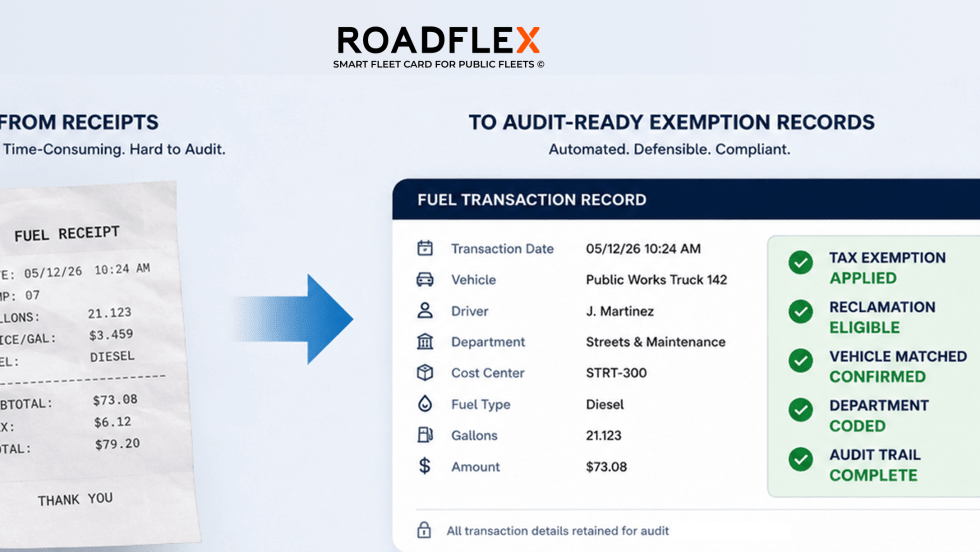
RoadFlex Brings Fuel Tax Compliance and Audit-Ready Reporting to Government, Public Works Fleets
New capabilities aim to help public-sector and public works fleets streamline fuel tax exemptions, reclamation, reconciliation, and audit-ready reporting.
Read More →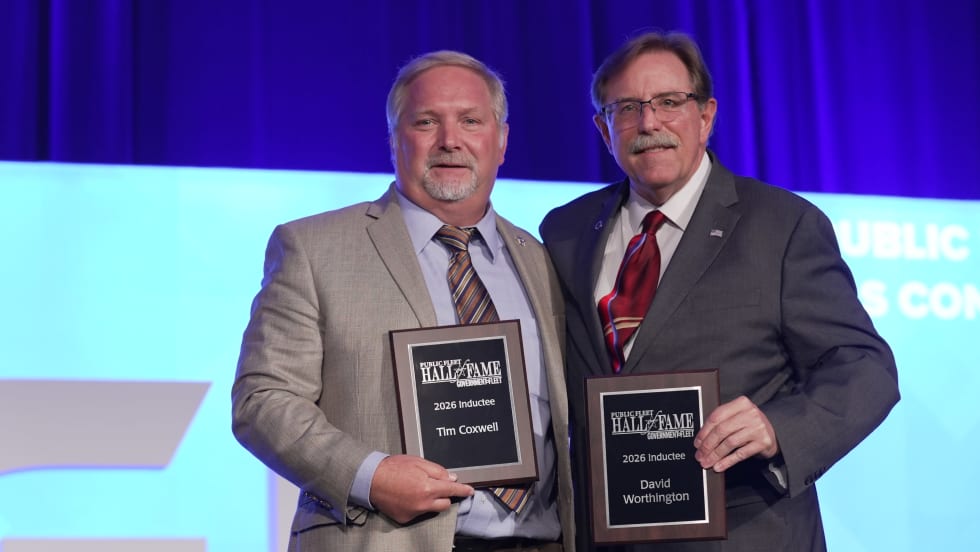
2026 Public Fleet Hall of Fame Inductees Honored
This year's class includes leaders whose work has helped shape the public fleet industry.
Read More →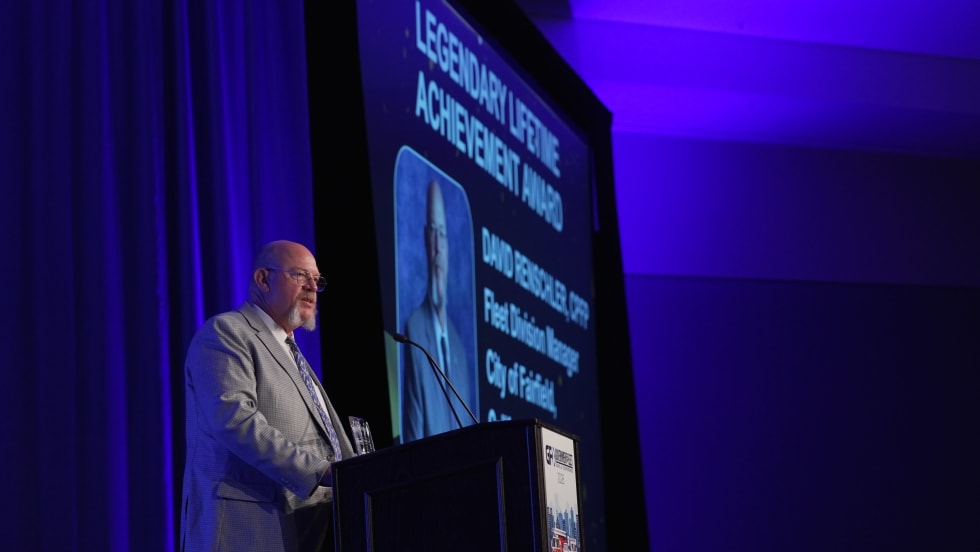
David Renschler Receives 2026 Legendary Lifetime Achievement Award
Andy Campbell of Sourcewell, which partnered with Government Fleet in presenting the award, recognized Renschler.
Read More →
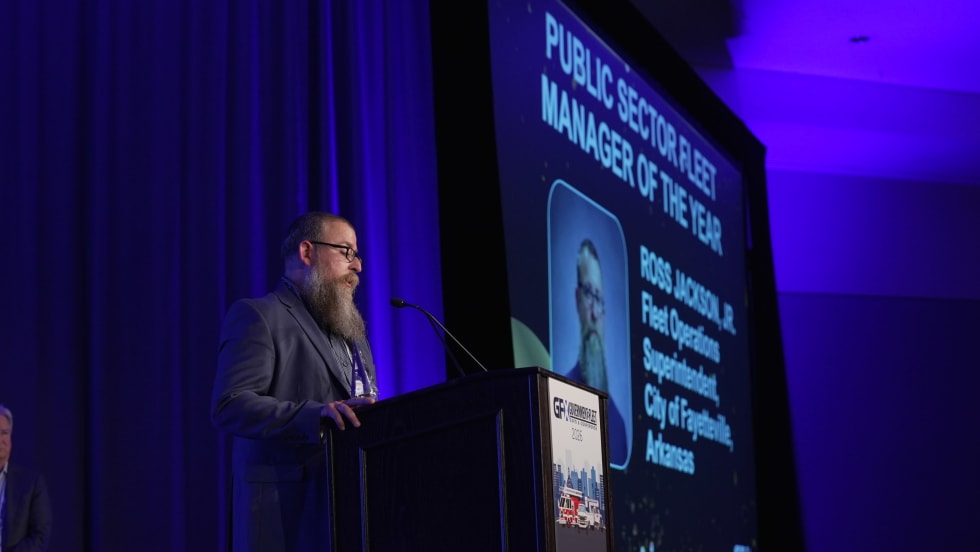
Ross Jackson Jr. Named 2026 Public Sector Fleet Manager of the Year
His leadership, innovation, and commitment to excellence earned him one of the industry's top honors.
Read More →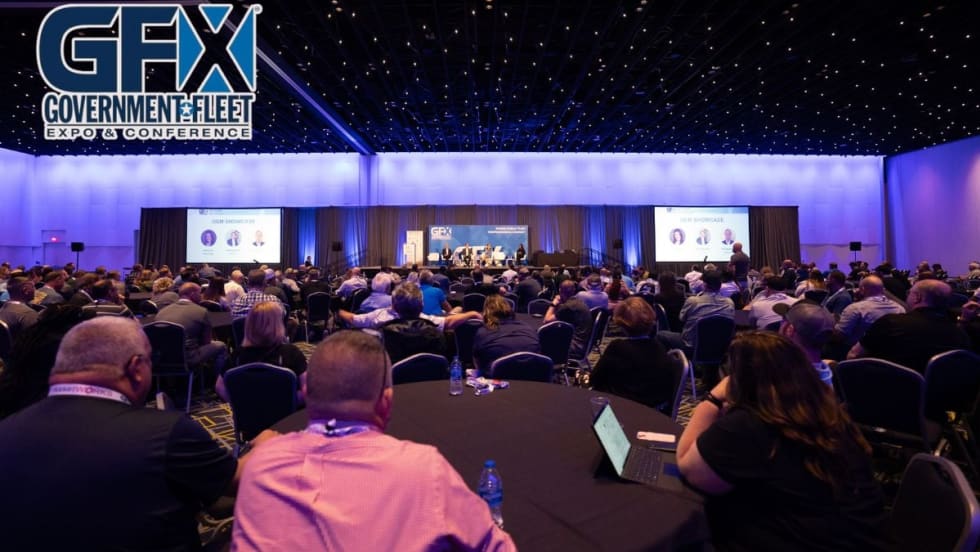
Public Fleet Professionals Set to Converge as GFX Gets Underway
Known as the largest gathering of public fleet professionals in the nation, GFX will feature in-depth training sessions, emerging fleet technologies, and access to leading suppliers and service providers.
Read More →
The Technician Pipeline: Finding, Keeping, and Promoting Techs Within the Operation
A look at where to find good talent, what fleets are doing to incentivize those techs to stay within the fleet, and what promotion looks like for a technician within the public sector.
Read More →
5 Public Fleet Stories Worth Revisiting Before GFX | The May Dispatch
Public fleet leaders are being asked to prepare for more, communicate better, and make decisions that hold up under pressure.
Read More →
Drive More Profit with Greater Fleet Uptime
Fleet downtime costs money. JASPER helps keep vehicles on the road with quality remanufactured components, fast nationwide delivery, and reliable solutions that boost uptime and profitability.
Read More →
Are You Tracking Your Fleet's True Total Cost of Ownership?
Bobit Business Media surveyed 190 fleet professionals and found that while most fleets are tracking costs, fragmented systems and data gaps are keeping true TCO visibility out of reach. With rising pressure to control spend in an increasingly volatile environment, the gap between what fleets think they know and what the data actually shows is wider than you might expect. See how your peers are managing costs today and where the industry still has room to improve.
Read More →
Minneapolis Fire Department Prepares to Add Three New Pierce Enforcer Pumpers to Front-Line Fleet
The order, secured through Pierce dealer MacQueen, marks the department’s move from commercial chassis pumpers to Pierce custom fire apparatus designed to meet the operational demands of Minnesota’s largest city.
Read More →