





Related: Understanding Electric Vehicle Battery Operations: New DCAS Report
The City of Roseville Hits A Milestone on its Path to Zero-Emissions
Roseville, Calif., successfully integrates new charge management software at no cost to taxpayers.
August 15, 2025
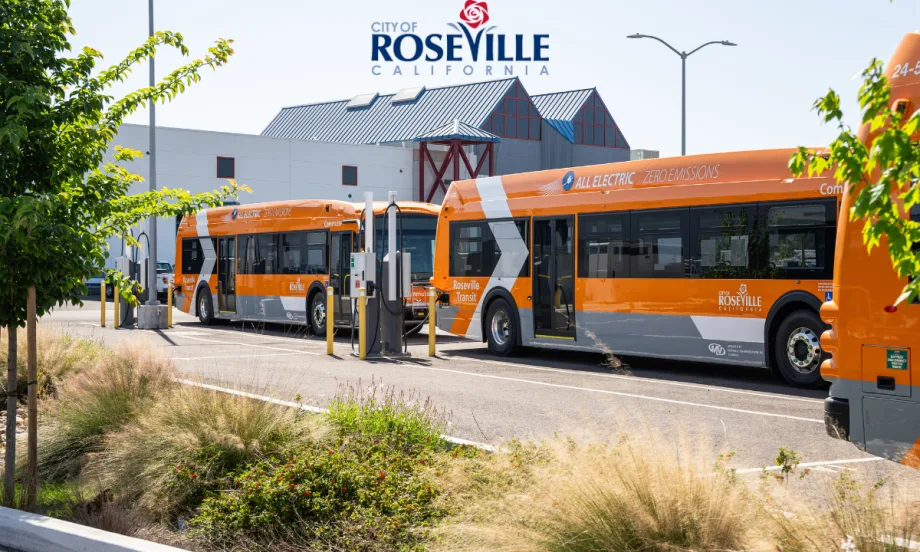
“We are delighted to partner with the City of Roseville to provide BetterFleet at no cost to the city and implement a system that not only manages energy and emissions but also supports efficient operation of the city’s electric transit and municipal fleet vehicles,” Daniel Hilson, BetterFleet CEO
Photo: The City of Roseville
2 min to read
The City of Roseville continues its transition to zero-emissions by partnering with BetterFleet Charge Management Software for its electric buses and municipal fleet vehicles.
The Road to Zero-Emissions
Roseville is in the process of electrifying its fleet of 41 buses and over 1,000 city vehicles. So far, they have purchased five electric transit buses, five electric commuter buses, and 12 electric on-demand vehicles. These will be powered by the community-owned Roseville Electric Utility, reducing fuel and maintenance costs.
With so many vehicles, Roseville looked to California’s current regulations, like the Innovative Clean Transit (ICT) mandate and the Advanced Clean Fleets (ACF) requirements, and aligned its priorities with theirs.
The city is currently equipped with nine level 3 DC fast chargers and five level 2 chargers, with room for more as electric vehicles continue to be added to its fleet. As it enters the second phase of this project, the facilities will expand to accommodate 71 chargers.
Charge Management System Integration
The city's partnership with BetterFleet was free and funded through a California Energy Commission (CEC) grant.
“This technology has enhanced our ability to efficiently and effectively operate our electric transit and city vehicles,” said Brandy LeBeau, Fleet Manager, City of Roseville. “The addition of BetterFleet’s charge management system is an exciting milestone in our journey toward a zero-emission fleet.”
Since implementing the BetterFleet Charge Management Software, Roseville has improved overall efficiency via optimized charging schedules and reduced peak demand costs. It also ensures vehicles are charged when needed to prevent system overload.
The software also allows for prioritized and staggered charging, avoiding exceeding site capacity and grid constraints.
Brandy LeBeau, Fleet Manager for the City of Roseville offers this advice to municipalities seeking similar grants or considering similar management systems:
“Start with a clear fleet electrification plan, build strong utility and vendor partnerships, and use pilot projects to demonstrate ROI and operational viability.”
As it proceeds on its path of electrification, Roseville continues to explore renewable energy integration, expanded charging infrastructure, and advanced telematics to further efficiency and sustainability.
More Green Fleet

Sustainability Partners, Energy Systems Group Help Albuquerque Close the Gap on its 100% Renewable Energy Goal
The eight-site, 6 MW solar project has advanced the city toward 100% renewable energy for municipal operations.
Read More →
Port Authority and CALSTART Launch $45 Million Electric Truck and Charging Programs
The programs aim to boost sustainable operations across the East Coast's busiest seaport.
Read More →
Moving Government Fleets Beyond the Vehicle Purchase: EV as a Service
A discussion on how EVaaS is moving beyond pilot programs and what fleets should consider before beginning a larger deployment.
Read More →
Moving Government Fleets Beyond the Vehicle Purchase: EV as a Service
As fleets move beyond small EV pilots, Sustainability Partners CEO Adam Cain explains how EVaaS can address the infrastructure and long-term planning required for larger deployments.
Read More →
Peterbilt Expands Sourcewell Partnership with Electric Vehicle Lineup
The agreement aims to provide streamlined procurement of Peterbilt trucks for government, education, nonprofit and tribal organizations across the United States and Canada.
Read More →
EV Adoption & Charging Challenges
Where is your fleet in the journey of vehicle electrification? If you're still looking for answers to fleet electrification you've come to the right place.
Read More →
Hawaii Passes Clean Fuel Policy
Hawaii lawmakers passed clean fuel legislation that could support renewable natural gas production, biogas-powered transportation, and lower-carbon fueling options for public and commercial fleets.
Read More →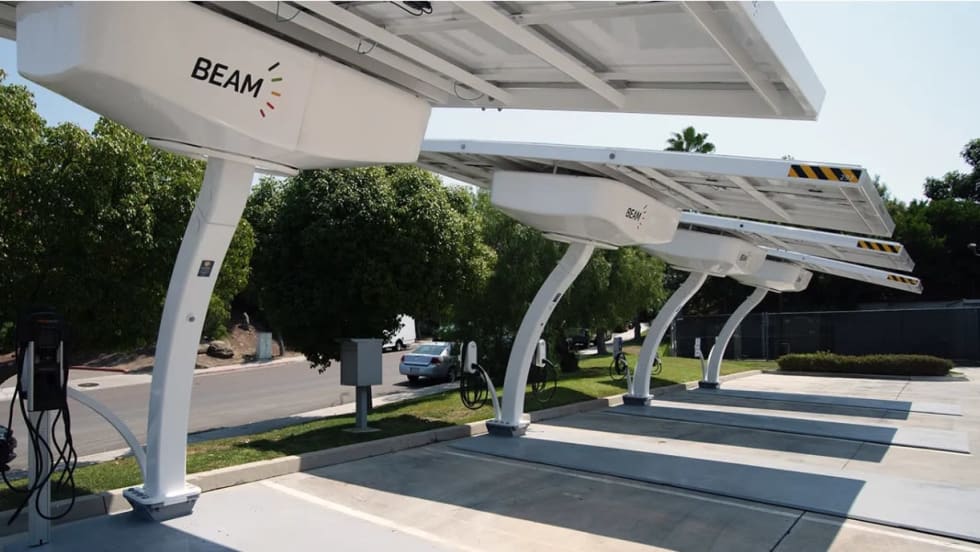
Stanislaus County Deploys Ten Beam Global EV ARC Systems to Support County Fleet Electrification
Stanislaus County deployed 10 off-grid solar-powered EV charging systems and a mobile charging trailer from Beam Global to support its electric fleet operations and emergency response flexibility.
Read More →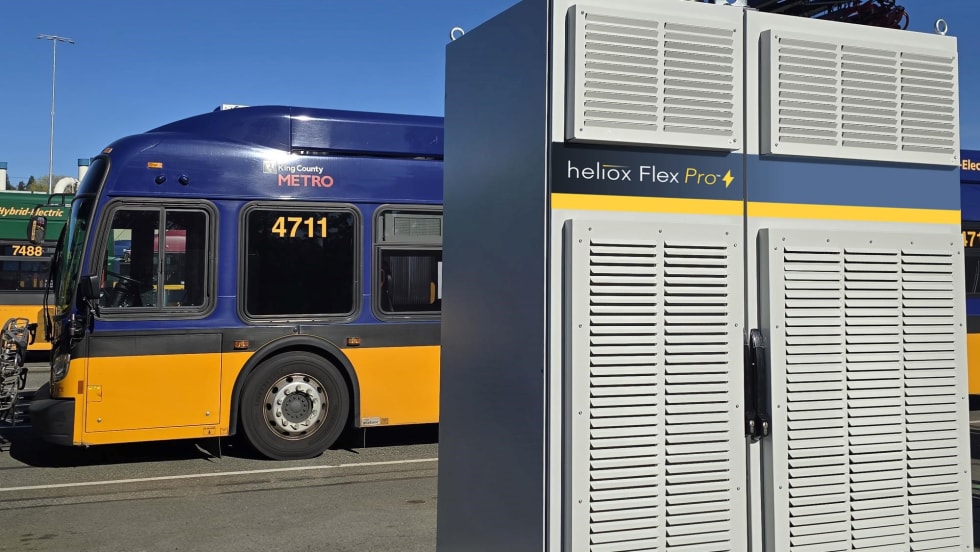
Heliox Pilots 480-kW Bus Charger with King County Metro
King County Metro is piloting Heliox’s new 480-kW Flex Pro charger to support expansion of its battery-electric bus fleet and depot charging infrastructure. The compact charging system supports pantograph and plug-in charging configurations for high-density transit operations.
Read More →