





Want More? Using Bicycle Patrols to Connect Officers to Their Communities
Virginia Commonwealth University PD Expands E-Bike Program
The department acquired seven new e-bikes going into the fall semester after a pilot proved successful last year.
September 9, 2024
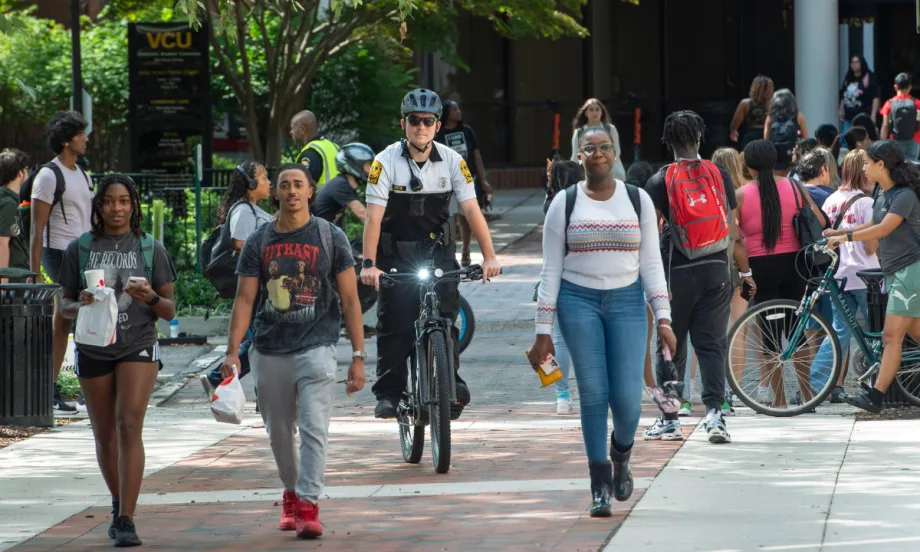
John Venuti, VCU associate vice president for public safety and chief of police, said the community has reported feeling safer when seeing officers on bike or on foot versus other methods of deployment.
Photo: Kevin Morley, Virginia Commonwealth University
2 min to read
The Virginia Commonwealth University (VCU) Police Department is simultaneously going green and creating a path for better officer engagement with the campus community.
VCU recently expanded its fleet of e-bikes, allowing officers to more effectively patrol its campuses and better engage with students, faculty, staff and members of the Richmond community, according to a news release from the university.
Creating Opportunities for Better Connections and a Safer Campus
Roughly a year ago, VCU Police acquired two e-bikes and began testing them on patrols. They proved successful, so the department acquired seven more heading into the fall semester.
The e-bikes are part of VCU Police’s Division of Patrol Operations, which is staffed by more than 60 sworn officers and 12 supervisors who patrol the Monroe Park and Medical College of Virginia campuses in marked and unmarked cars, on bicycles, and by foot.
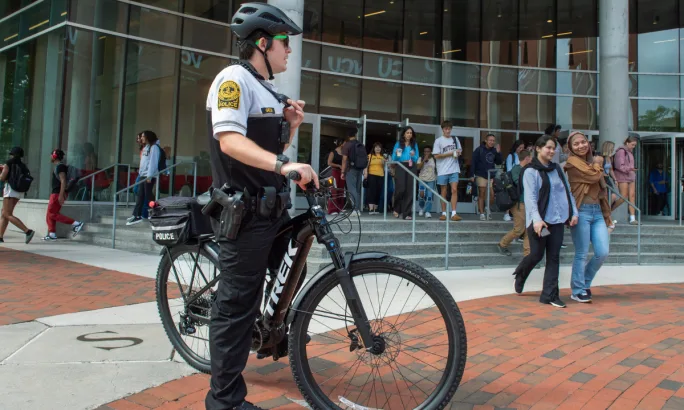
The e-bikes are part of VCU Police’s Division of Patrol Operations. Officers patrol the Monroe Park and Medical College of Virginia campuses in marked and unmarked cars, on bicycles, and by foot.
Photo: Kevin Morley, Virginia Commonwealth University
The bikes reduce officer fatigue with pedal assist and enable officers to maneuver around campus more easily than in a car, VCU Police Lt. Edgar Greer said.
They have proven particularly helpful in the patrols of parking decks and lots, an area students noted in a recent survey that they'd like to see patrolled more.
John Venuti, VCU associate vice president for public safety and chief of police, said the community has reported feeling safer when seeing officers on bike or on foot versus other methods of deployment.
More About VCU's Bicycle Program
VCU Police currently has 25 officers who have completed both a 40-hour, International Police Mountain Bike Association basic training in addition to specific e-bike familiarization training. More officers are slated to complete the e-bike training soon.
VCU noted research from Roger Williams University that revealed that police on bicycles have more engagement with the community, with an average 7.3 contacts with the public via bicycle patrol versus 3.3 contacts in motor vehicles.
Greer believes that in urban areas like VCU's campuses, that engagement is likely to be even higher, creating opportunities for more engagement with the community.
VCU police officer and crime prevention specialist Luke Shrader said e-bikes also allow officers to be more aware of what’s happening around them and make it easier for members of the public to flag them down when needed.
More Police

Ford Pro Introduces Full-Size 2028 Expedition Police Responder
Ford Pro gave law enforcement customers a first look at the pursuit-rated utility during Police Fleet Expo.
Read More →
Paterson Police Expand Drone Fleet, Launch Real-Time Operations Center
The Paterson Police Department has expanded its drone program and opened a new Real-Time Operations Center designed to support emergency response and incident management. The initiative integrates multiple technologies to provide officers with real-time information during investigations and public safety operations.
Read More →
Why Public Fleet Success Depends on More Than the Vehicles
Tim Coxwell of the Leon County Sheriff’s Office discusses the projects shaping his fleet operation, including long-term work around vehicle selection, greenhouse gas emissions, and cost per mile.
Read More →
Havis Acquires Pro-gard Products
The acquisition brings together two manufacturers of public safety vehicle equipment under one company. Havis says the move expands its portfolio of products for outfitting law enforcement vehicles and other public safety fleets.
Read More →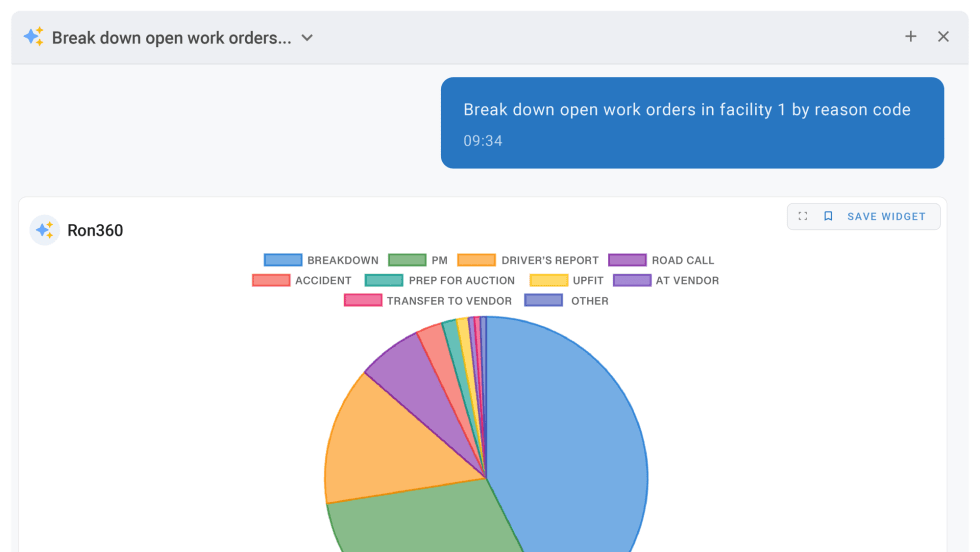
RTA Fleet Introduces AI Assistant for Fleet360 Platform
As artificial intelligence continues to gain traction across public-sector operations, fleet software providers are finding new ways to incorporate the technology into everyday workflows. RTA's latest addition aims to simplify how users interact with fleet data.
Read More →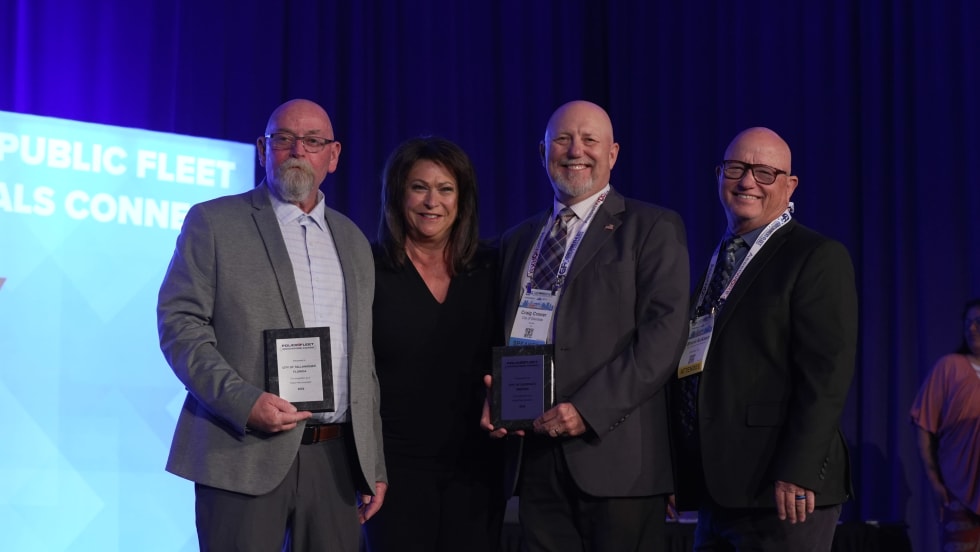
2026 Police Fleet Innovators Named
Meet the professionals finding new ways to solve some of law enforcement's toughest fleet challenges.
Read More →
Rynse Expands Nationwide Fleet Wash Access for Law Enforcement
The North Carolina Sheriff’s Association Contract Cooperative purchasing contract aims to streamline procurement process for law enforcement agencies across the U.S.
Read More →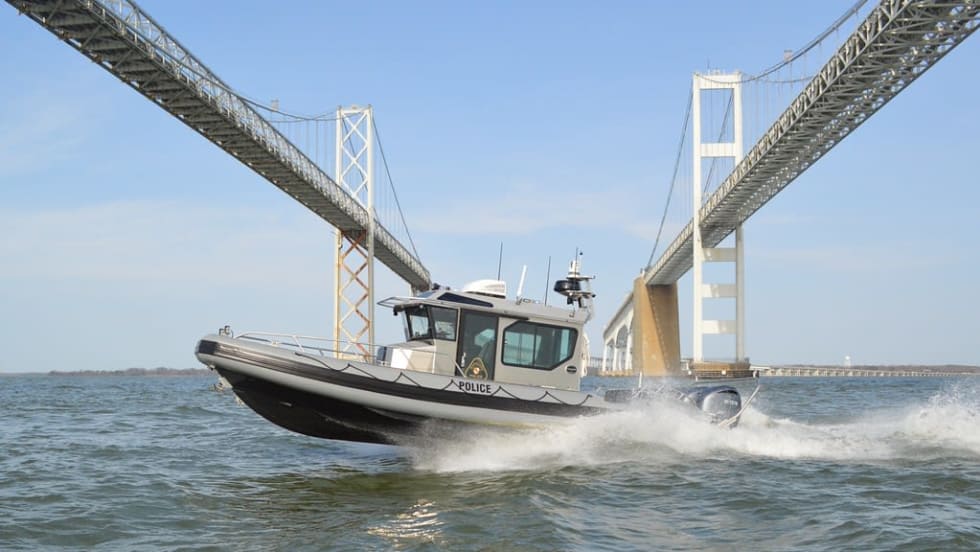
Maryland Natural Resources Police Adds 31-Foot Patrol Boat to Enforcement Fleet
A new addition to Maryland’s marine enforcement fleet is bringing expanded capabilities to Chesapeake Bay operations while honoring a legacy within the agency. The high-performance patrol vessel reflects how law enforcement fleets are adapting to growing demands on the water.
Read More →
LEHR Expands Florida Presence With Enforcement One Acquisition
LEHR has acquired Florida-based emergency vehicle upfitter Enforcement One, marking its eighth add-on acquisition.
Read More →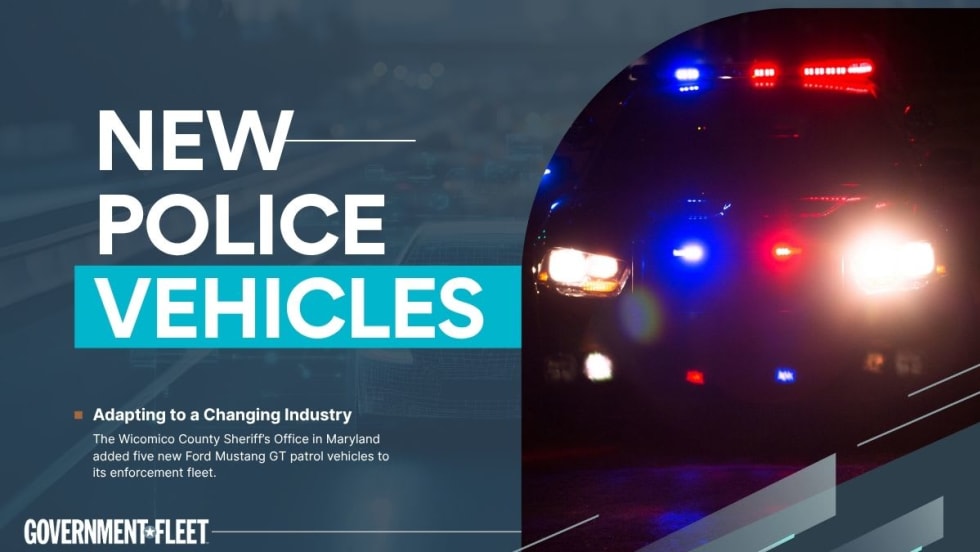
Maryland’s Wicomico County Sheriff Adds Mustang GT Patrol Vehicles
The agency is also working with the Maryland Police Training Commission on a specialized high-performance driving course for deputies assigned to the vehicles.
Read More →