





Keep Reading: 17 Things to Know About CARB’S Advanced Clean Fleets Rule
Mullen Announces CARB Approval for 2025 Class 3 EV Cab Chassis Truck
The recent Advanced Clean Fleets regulation requires state and local government fleets, including city, county, special district, and state agency fleets, to ensure 50% of vehicle purchases are zero-emission beginning in 2024 and 100% of vehicle purchases are zero-emission by 2027.
April 25, 2024
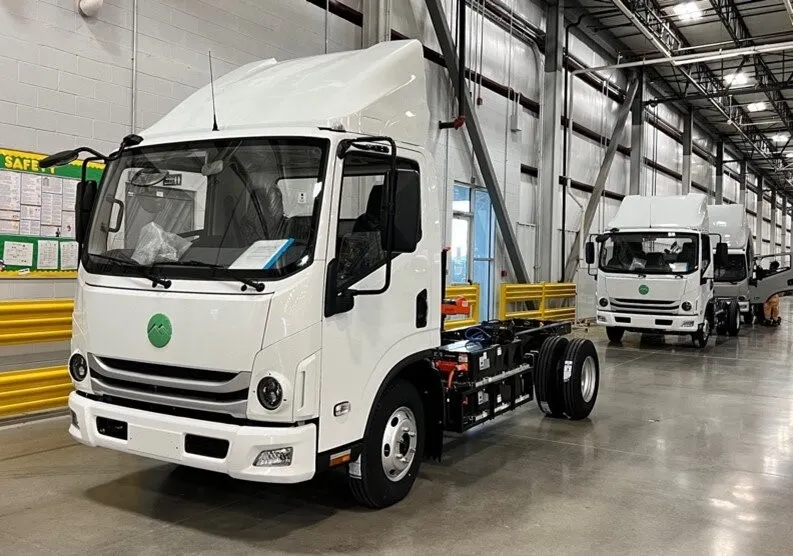
Mullen is now in receipt of CARB approval for both 2024 and 2025 Class 3 Model Years.
Photo: Mullen
2 min to read
Mullen Automotive has received certification from the California Air Resources Board on the 2025 Mullen THREE, Class 3 all-electric low cab forward chassis truck. The certification is awarded to vehicle manufacturers who meet specific emissions standards in compliance with CARB regulations.
The District of Columbia and 14 states, including California, have adopted vehicle standards under Section 177 of the Clean Air Act (42 U.S.C. §7507), which requires additional approvals beyond EPA regulations.
A copy of Mullen’s 2025 Class 3 CARB certification can be found on MullenUSA.com. The Company previously received 2024 Model Year CARB certification for the Mullen THREE in January 2024.
Impact of CARB's Advanced Clean Fleets Regulation
CARB certification opens the Mullen THREE to critical state EV incentive programs, which vary by each eligible CARB-compliant state. The certification takes on even more significance with CARB’s recent Advanced Clean Fleets (“ACF”) regulation, which will have a requirement that state and local government fleets, including city, county, special district, and state agency fleets, ensure 50% of vehicle purchases are zero-emission beginning in 2024 and 100% of vehicle purchases are zero-emission by 2027. Fleets that fall under high priority may also elect to utilize ZEV milestones as an option to meet overall ZEV targets.
CARB-compliant states and locations include: California, Connecticut, Colorado, Delaware, Maine, Maryland, Massachusetts, New Jersey, New Mexico, New York, Oregon, Pennsylvania, Rhode Island, Vermont and the District of Columbia.
Incentive Programs: California's HVIP and Beyond
California’s HVIP project is an example of a state incentive program available to CARB-certified vehicles. Under HVIP, the Mullen THREE EV truck, with a suggested MSRP of $68,500.00, may qualify for a rebate of up to $45,000.00 and, when combined with the available $7,500.00 federal tax credit, the net effective cost of the Mullen THREE would be less than $20,000.00.
“Our vehicles are CARB approved and ready for delivery with many states and local governments offering very strong incentives to electrify commercial fleets,” said David Michery, CEO and chairman of Mullen Automotive.
More Operations

Hazard Alerts, Fleet Car Sales Rise and a New Shuttle Concept
Fleet car sales doubled, but the bigger picture tells a different story in this week’s roundup.
Read More →
How St. Johns County Turned Fleet Data Into Better Replacement Decisions
St. Johns County, Florida, had fleet data, but turning it into reliable decision guidance was another matter. Instead of starting over with a new fleet management system, the county connected existing tools and built a scoring system that gives managers an objective look at fleet health.
Read More →
Fleet Forward Conference Introduces One-Day Passes for 2026
New one-day registration lets fleet professionals attend Tuesday, Wednesday, or Thursday, with passes available for $249.
Read More →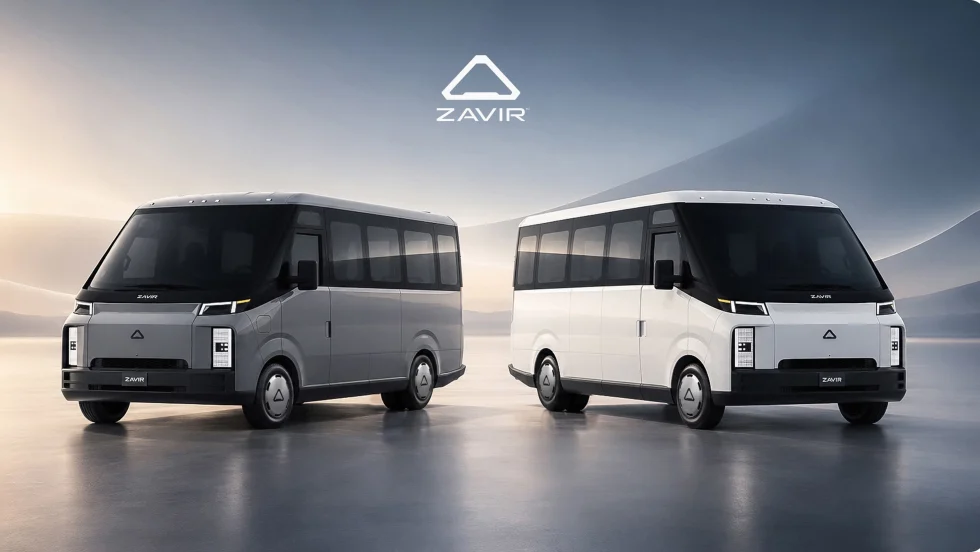
ENC Unveils its ZAVIR Medium-Duty Shuttle
Two variants of the concept shuttles were revealed: a low-floor configuration and a high-floor configuration.
Read More →
Could Your Next Fleet Technician Start as an Intern?
What if your next technician hasn’t worked in a fleet shop yet? What fleets are doing to free up time.
Read More →
How Phoenix Is Building Its Next Generation of Fleet Technicians
With more than 8,000 vehicles and pieces of equipment to maintain, the City of Phoenix could not afford to wait for fully trained technicians to walk through the door. Instead, they revamped their entire workforce strategy and showed how public fleets can create their own talent pipeline while preparing existing employees for increasingly complex vehicles.
Read More →
What’s Slowing Your Fleet Down?
Could a change in how work gets done help your fleet return vehicles to service sooner?
Read More →
Can Public Fleets Trust the Data Driving Their Decisions?
Public fleets have more data than ever, but inconsistent records and missing information can still undermine maintenance, replacement, and cost decisions.
Read More →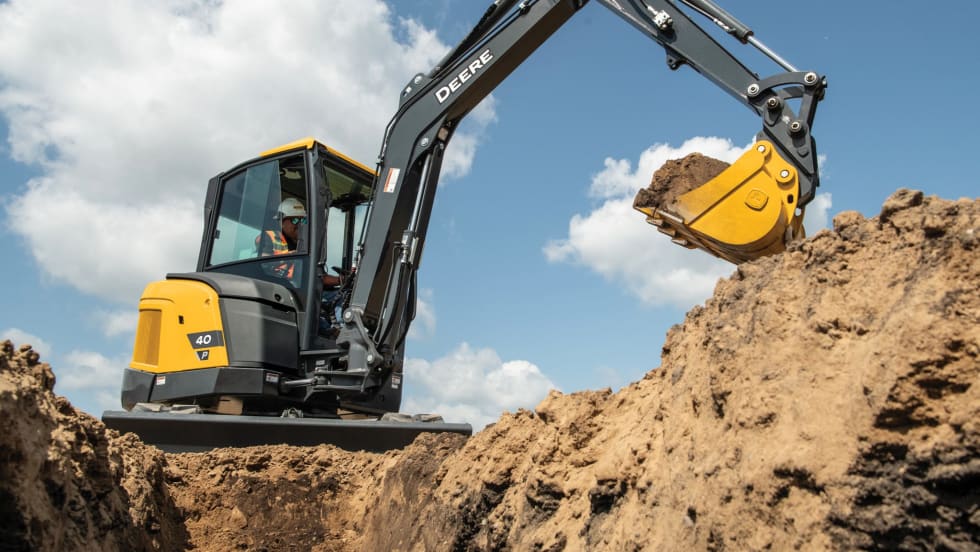
John Deere Introduces 40 P-Tier Compact Excavator
John Deere is adding a compact excavator designed for crews that need to move equipment between jobsites and handle multiple types of work with one machine. The 40 P-Tier weighs less than 10,000 pounds and offers configurable hydraulics, attachment options, and connected fleet-management capabilities.
Read More →
How Leading Fleets Improve and Why Business Plans Matter
This week, we look at what past Leading Fleet winners can teach us about making progress, plus how to build a business plan your fleet will actually use.
Read More →