





Similar Content: Advanced Clean Fleets Rule Would Require Zero-Emission Truck Purchases in California
Details on CARB's Gas Ban Plan
The California Air Resources Board voted on a proposal that will ban the sale of fossil fuel-powered vehicles by 2035.
August 25, 2022
2 min to read

California will now be taking its biggest step yet toward a zero-emission vehicle market after the California Air Resources Board (CARB) voted on, and passed, the Advanced Clean Cars II (ACCII) proposal. The plan will require all new passenger cars, trucks, and SUVs sold in California to be zero emissions by 2035.
While putting into motion a new standard for vehicles being sold in the future, the regulation will not affect used vehicles or ban drivers from using gasoline-powered vehicles.
The regulation follows Gov. Gavin Newsom's 2020 Executive Order N-79-20, which will require all new passenger vehicles sold in California to be zero emissions by 2035.
“California is once-again leading the way by establishing commonsense standards that will transition to sales of all zero-polluting cars and light-duty trucks in the state," said Kathy Harris, clean vehicles advocate at Natural Resources Defense Council. "Given its unique air pollution woes and the risks to residents from climate-fueled wildfires, California desperately needs these rules to slash tailpipe pollution."
A proposal from CARB indicates there will be annual zero-emission vehicle requirements. Using 2026 models as a launching point, CARB has set the percentage of ZEV and PHEV new vehicle sales at 35% that first year. This would be followed by an incrase 8% the following year, passing the 50% marker in 2028 and hitting 94% in 2034, continuing an upward trend until reaching 100% zero-emission vehicles sold in 2035.
Automakers have already started to recognize California’s authority to set vehicle emission standards under federal law. "At Ford, combatting climate change is a strategic priority, and we’re proud of our partnership with California for stronger vehicle emissions standards," said Bob Holycross, Chief Sustainability Officer at Ford in a statement released before the plan went to vote.
An EDF analysis found that if all new cars, SUVs, and passenger trucks sold in California are zero emitting by 2035, ACC II could prevent more than 7,400 premature deaths in the state by 2050 and eliminate more than 1.2 billion tons of climate pollution by the same year.
CARB estimated that the regulation will provide public health benefits of at least $12 billion over the life of the standards.
“Today, California has an opportunity to accelerate clean air and public health protections that are so critical there and beyond," said Paul G. Billings, National Senior Vice President for Public Policy, American Lung Association. "California’s work to protect the public by shifting to clean, non-combustion technologies should be a model for the nation."
More Green Fleet
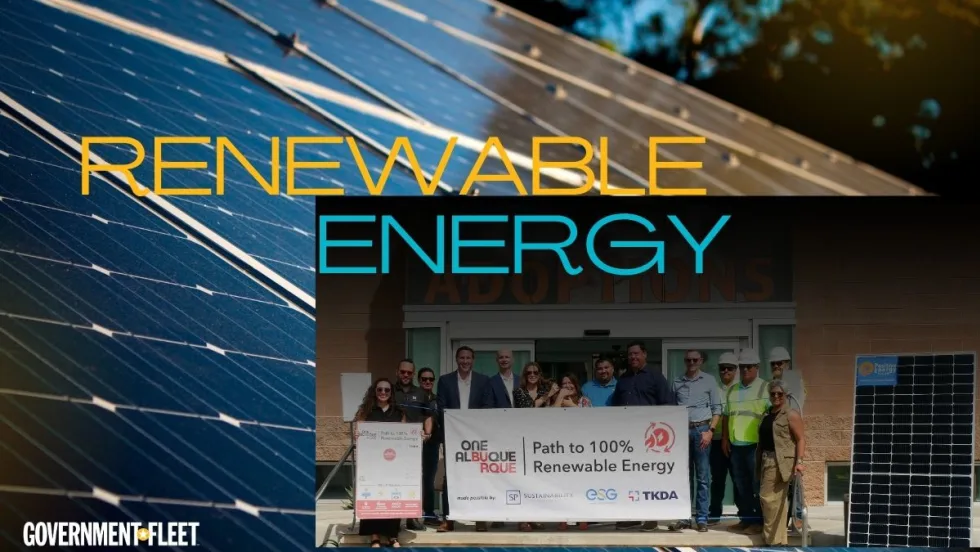
Sustainability Partners, Energy Systems Group Help Albuquerque Close the Gap on its 100% Renewable Energy Goal
The eight-site, 6 MW solar project has advanced the city toward 100% renewable energy for municipal operations.
Read More →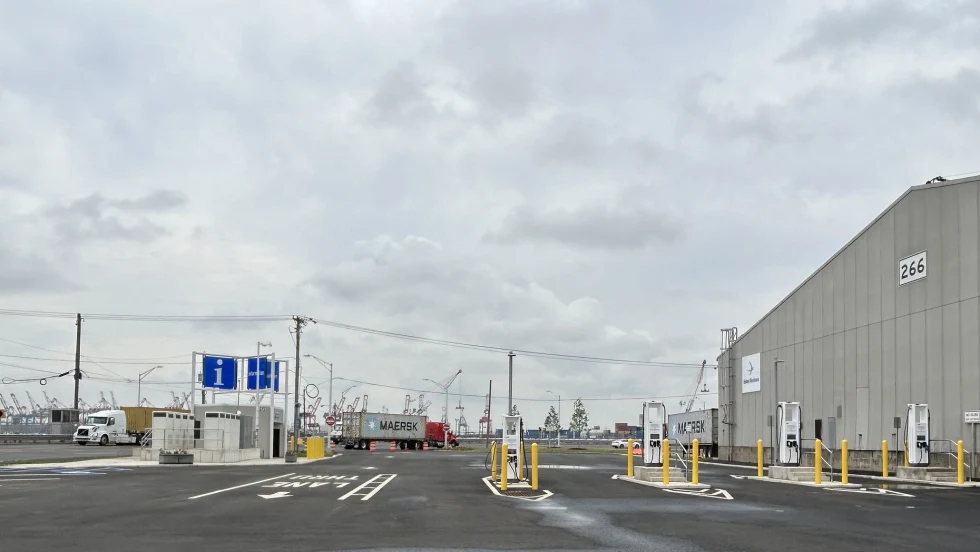
Port Authority and CALSTART Launch $45 Million Electric Truck and Charging Programs
The programs aim to boost sustainable operations across the East Coast's busiest seaport.
Read More →
Moving Government Fleets Beyond the Vehicle Purchase: EV as a Service
A discussion on how EVaaS is moving beyond pilot programs and what fleets should consider before beginning a larger deployment.
Read More →
Moving Government Fleets Beyond the Vehicle Purchase: EV as a Service
As fleets move beyond small EV pilots, Sustainability Partners CEO Adam Cain explains how EVaaS can address the infrastructure and long-term planning required for larger deployments.
Read More →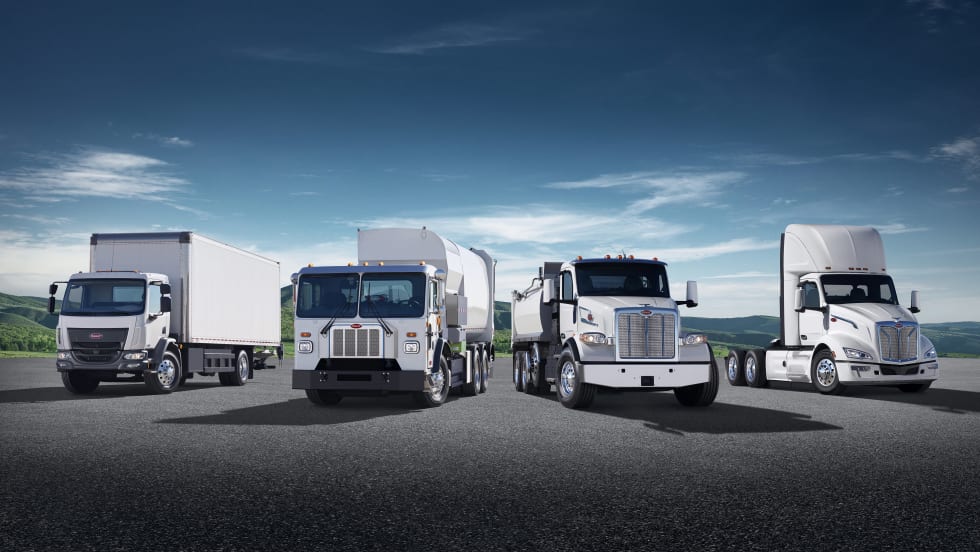
Peterbilt Expands Sourcewell Partnership with Electric Vehicle Lineup
The agreement aims to provide streamlined procurement of Peterbilt trucks for government, education, nonprofit and tribal organizations across the United States and Canada.
Read More →
EV Adoption & Charging Challenges
Where is your fleet in the journey of vehicle electrification? If you're still looking for answers to fleet electrification you've come to the right place.
Read More →
Hawaii Passes Clean Fuel Policy
Hawaii lawmakers passed clean fuel legislation that could support renewable natural gas production, biogas-powered transportation, and lower-carbon fueling options for public and commercial fleets.
Read More →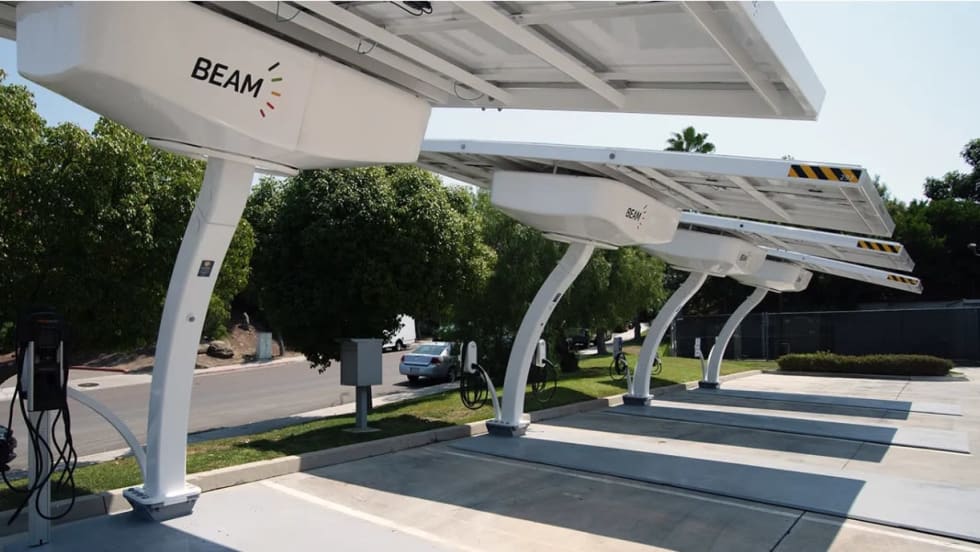
Stanislaus County Deploys Ten Beam Global EV ARC Systems to Support County Fleet Electrification
Stanislaus County deployed 10 off-grid solar-powered EV charging systems and a mobile charging trailer from Beam Global to support its electric fleet operations and emergency response flexibility.
Read More →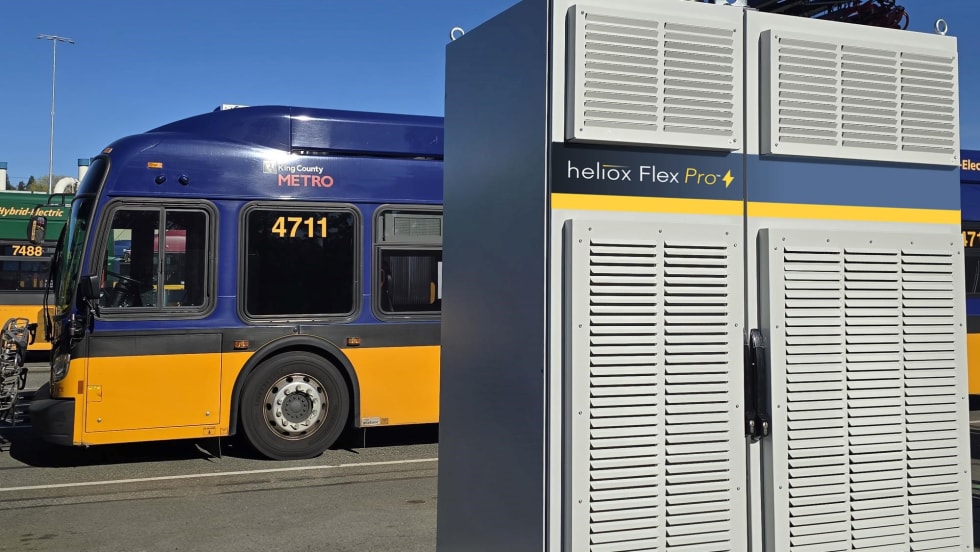
Heliox Pilots 480-kW Bus Charger with King County Metro
King County Metro is piloting Heliox’s new 480-kW Flex Pro charger to support expansion of its battery-electric bus fleet and depot charging infrastructure. The compact charging system supports pantograph and plug-in charging configurations for high-density transit operations.
Read More →