





How to: Start a Fleet Safety Newsletter
USDOT Stresses Need to Protect Vulnerable Road Users
The U.S. Department of Transportation marks October as National Pedestrian Safety Month.
October 6, 2022
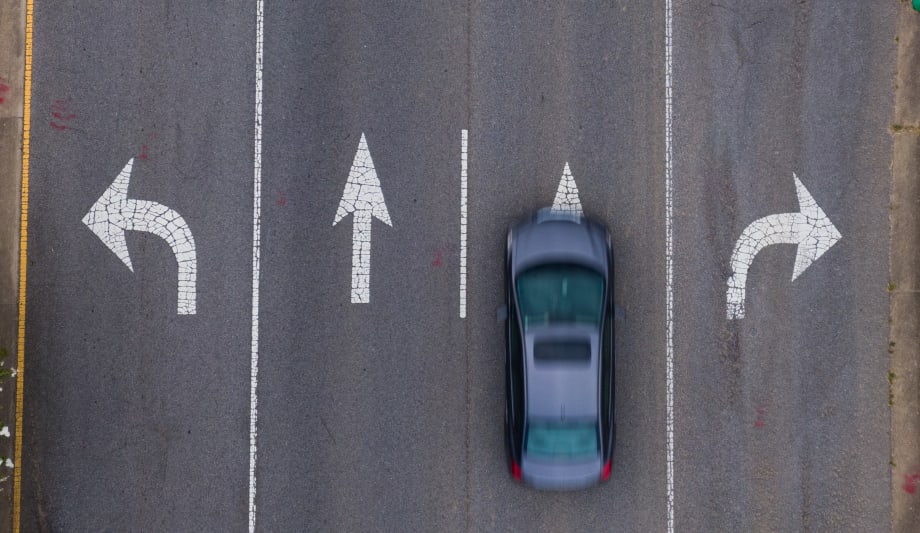
NHTSA is also launching a new paid media campaign from October 10-31 to educate drivers about the dangers of illegally passing stopped school buses and pedestrian safety.
Photo: Kelly, Pexels
3 min to read
With October marking the beginning of National Pedestrian Safety Month, the U.S. Department of Transportation is reminding drivers of their responsibility to stay alert for pedestrians, cyclists, and other vulnerable road users.
In 2020, 6,516 pedestrians were killed in the United States – an average of 18 pedestrians a day. And in 2021, pedestrian fatalities were projected to be up 13% over 2020.
In January, U.S. Transportation Secretary Pete Buttigieg announced the National Roadway Safety Strategy, focusing to reduce traffic fatalities. The strategy includes initiatives across multiple USDOT agencies, including the National Highway Traffic Safety Administration, the Federal Highway Administration, the Federal Transit Administration, and the Federal Motor Carrier Safety Administration.
“We live in an era when it is safer to fly in an airplane 30,000 feet above the ground than it is to walk down the street,” said U.S. Transportation Secretary Pete Buttigieg. “This National Pedestrian Safety Month, we must redouble our efforts to address the urgent national crisis on our nation’s roads, and do everything in our power to keep pedestrians safe.”
Due to most pedestrian fatalities occuring at night, FHWA recently published the Pedestrian Lighting Primer, a resource for transportation practitioners installing and improving pedestrian lighting at locations with existing and future pedestrian activity.
The FHWA has also partnered with FTA to improve safety for pedestrian and bicyclists near transit stops. The agencies released a new guide, Improving Safety for Pedestrians and Bicyclists Accessing Transit, to address common safety issues likely to arise near transit stations, bus stops, and other places where bus or rail transit systems operate. The guide is aimed at helping transit agencies, state and local roadway owners, and regional organizations in addressing pedestrian and bicyclist safety concerns in accessing transit.
As part of efforts to improve pedestrian safety, NHTSA is also launching a new paid media campaign from October 10-31 to educate drivers about the dangers of illegally passing stopped school buses and pedestrian safety for children when boarding and leaving a school bus.
National Pedestrian Safety Month also highlights the disparities in pedestrian safety and the importance of equity in road safety for all. Black and Native American pedestrians are disproportionately killed in the United States, as compared to white pedestrians.
National Pedestrian Safety Month spotlights a different aspect of the safe system approach each week:
Week 1, Safer People: Celebrates the many benefits of walking and how we can encourage more walking by creating a safer system for people who walk or roll.
Week 2, Safer Speeds & Safer Roads: Recognizes the importance of how motorists driving at safer speeds can save lives and highlights the vital role that safer roads play in reducing fatal crashes and injuries.
Week 3, Safer Vehicles: Looks at vehicle solutions – vehicles that provide occupant crash protection, and technology can help prevent crashes from occurring in the first place. Technologies like pedestrian automatic emergency braking can help protect those outside of the vehicle. Vehicle standards can also help reduce the severity of injuries. The front ends of vehicles can be designed to reduce the impact of a crash.
Week 4, Post-Crash Care: Focuses on providing bystander assistance and care to injured pedestrians, which may be critical in treating injuries and saving lives.
More Safety
New Partnership Aims to Expand Public Digital Hazard Alert System Statewide
The Hawai’i Department of Transportation (HDOT) is expanding advance digital hazard alerts for the public statewide.
Read More →
New York City Expands Safety Technologies Across Municipal Fleet
Executive Order 19 moves intelligent speed assistance and pedestrian alerts from pilot programs toward standard fleet equipment, offering other public fleets a look at how safety technology can be tested, measured, and scaled.
Read More →
Sponsored•August 10, 2026
Hidden in Plain Sight: Fleet Compliance Risks
Fleet compliance isn't just about having policies — it's about consistently enforcing them. This practical guide reveals six hidden compliance risks common in public sector and shared fleet operations and outlines proven strategies to improve visibility, accountability, and audit readiness.
Read More →
5 Days Left to Submit Your 2026 Fleet Safety Award Nomination
Know a government fleet, safety, or risk manager who deserves recognition for making fleet operations safer? Nominations are open through Aug. 15.
Read More →
How the First 24 Hours Can Shape a Fleet Crash Response
How a strong accident response process helps government fleets move from the initial report to recovery while building a clearer record for what needs to change next.
Read More →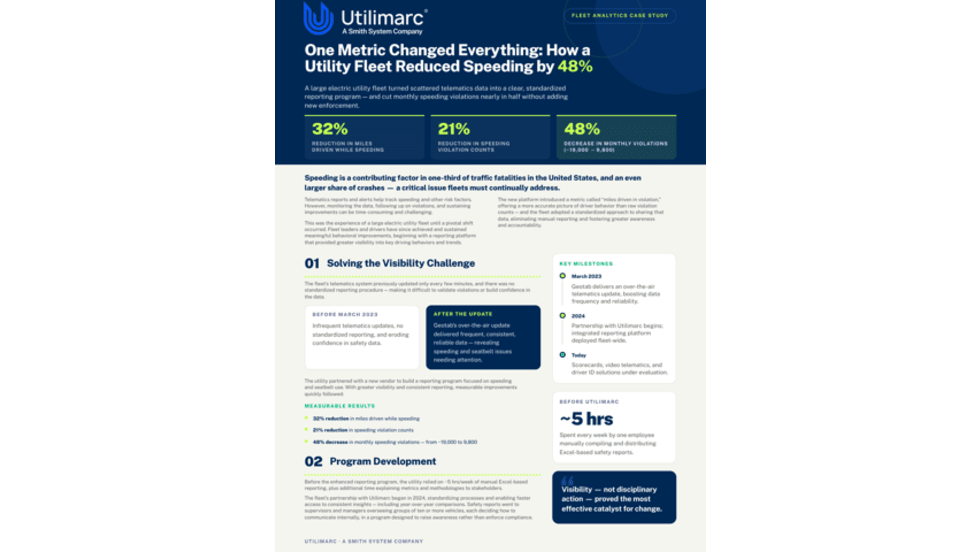
Sponsored•July 17, 2026
How Better Visibility Cut Speeding Violations by 48%
Fleet leaders don't need more data, they need clearer visibility into what the data is saying. This case study explores how one utility replaced speeding-event counts with a single metric — miles driven in violation — to strengthen safety and significantly reduce speeding violations.
Read More →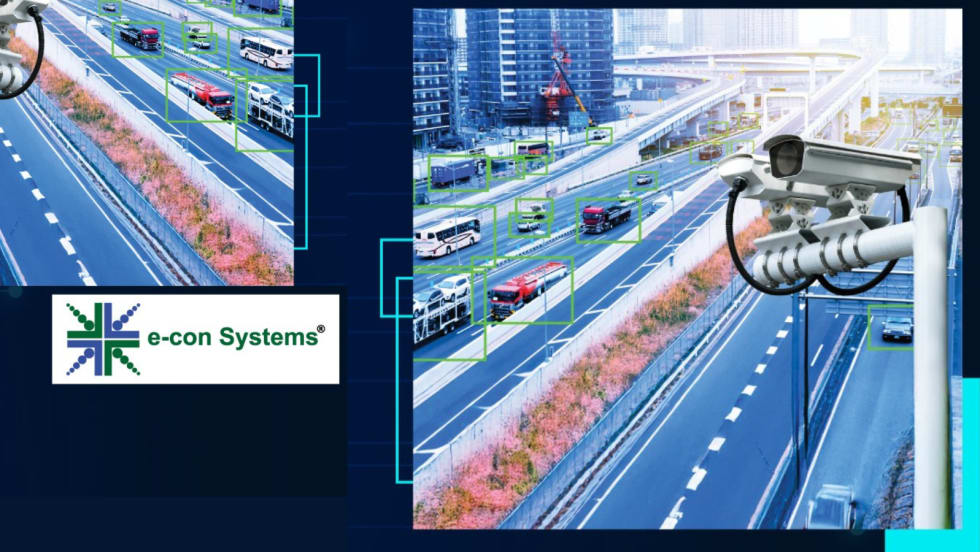
e-con Systems Expands AI Camera Tools for Traffic Monitoring
The systems support license plate recognition, traffic analytics, and video management for transportation agencies.
Read More →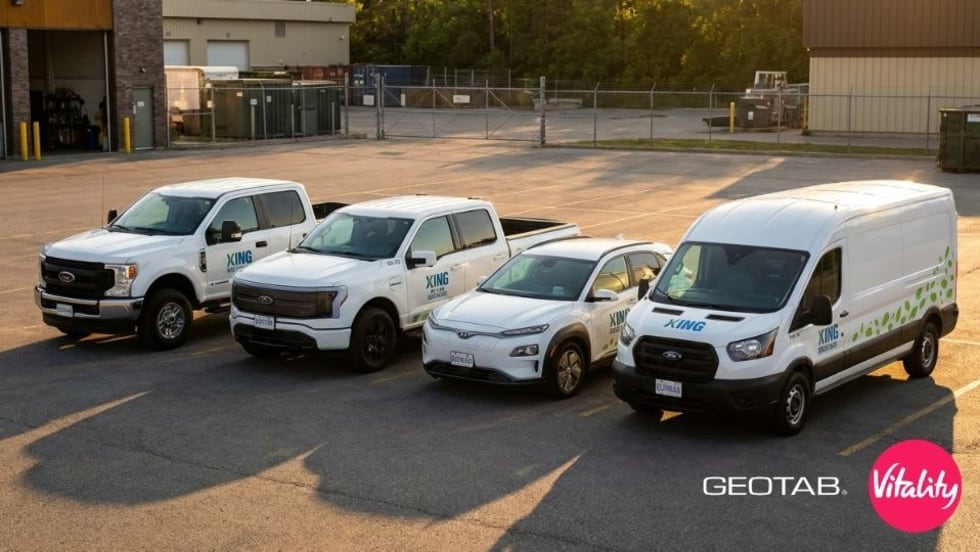
King Township Pilot Links Driver Feedback to Reduced Speeding
How King Township, a best-in-class municipal fleet, reduced speeding by 10.9% and demonstrated a projected 349% ROI by putting safety ownership directly in drivers' hands.
Read More →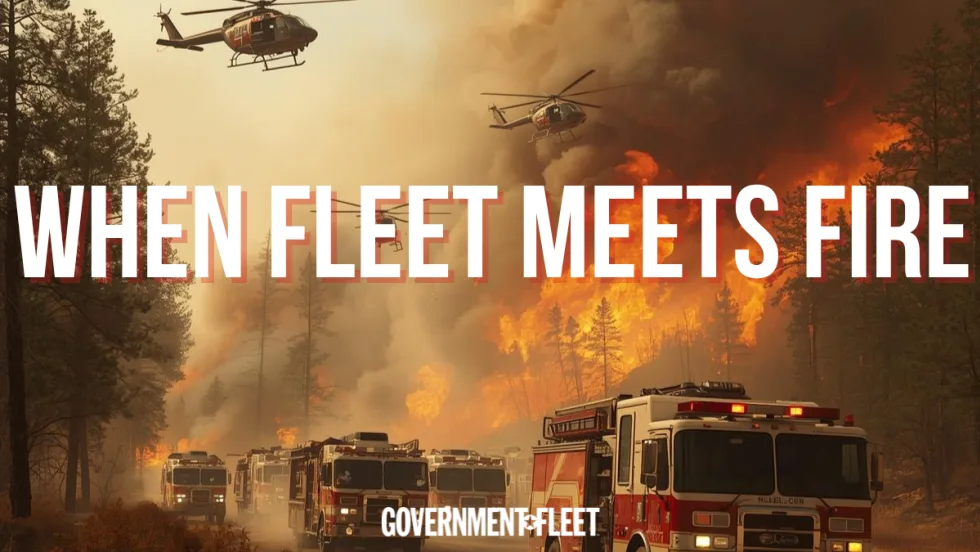
Beyond the Fireline: The Critical Role of Public Fleets in Wildfire Response
Behind every wildfire response is a complex network of vehicles, data, and decisions that must work in sync under extreme pressure. Global heating trends require strong fleet coordination and reliable communications to keep crews safe and operations running smoothly.
Read More →
How AI Is Transforming Public Fleet Safety - Part 1
AI-powered safety systems are helping public fleets tackle distracted driving by delivering real-time coaching and measurable behavior change behind the wheel. In part one of our Q&A, Nauto CEO Stefan Heck explains how agencies can improve safety, reduce costs, and navigate implementation challenges with AI-driven technology.
Read More →