





More News from the North: Canada City Borrows Nearly $1.8M for Fleet Replacements
Canada Post Plans to Go Fully Electric by 2040
Investing $1 billion in a goal to reach net zero emissions by 2050, the Canadian postal service laid out plans for its fleet of 14,000 vehicles.
June 9, 2022

Doug Ettinger, president and CEO of Canada Post, shared the corporation’s plans and commitments to reduce its environmental footprint and reach net zero emissions by 2050 in a press conference.
Photo: Pinpoint National Photography
2 min to read
On June 9, Canada's postal service, Canada Post, announced a commitment to reduce its environmental footprint and reach net-zero emissions by 2050.
According to a press release, Canada Post has earmarked $1 billion to cut emissions and transform its fleet. With nearly 14,000 vehicles and close to 6,000 post offices, its footprint is significant. Plans include transforming the fleet to non-emitting transportation vehicles, with a goal to to reach a 50% electric fleet by 2030 and 100% by 2040.
“We have a responsibility to Canadians, and to their children and grandchildren, to help lead the way to a more sustainable future,” said Doug Ettinger, president and CEO. “Canada Post has one of the biggest fleets in the country, over 68,000 employees, a significant real estate portfolio, and an extensive supply chain. The challenge ahead is great, and we know the greening of our transportation is critical. That’s why we’ve committed to net-zero operations and a fully electric fleet by 2040. I’d like to thank our bargaining agents for their continued engagement and collaboration on this important step forward for the company.”
According to the announcement, Canada Post has already committed to a 50% reduction in Scope 1 and Scope 2 greenhouse gas emissions by 2030, measured against 2019 levels. The target is built to meet the 1.5°C pathway of the Science Based Targets initiative (SBTi), which aims to limit global warming to 1.5°C above pre-industrial levels. The 2030 target sets Canada Post on a path to net zero emissions by 2050 and will be submitted to the SBTi for approval.
Canada Post is also launching a pilot of a low-speed vehicle on a postal route covering neighborhoods near Ottawa. The compact electric vehicle reaches maximum speeds of 40 kilometers per hour. It will be used for delivery and collection activities for a year to evaluate its performance in operations and optimal safety procedures.
In May, Canada Post unveiled its net-zero parcel sorting facility that will have the capacity to process more than 1 million packages a day. The Albert Jackson Processing Centre will be a hub for the company’s national network when it officially opens in early 2023. The $470 million facility in Scarborough, Ontario is the largest industrial project in Canada with the Zero Carbon Building Standard designation.
This announcement comes just months after the USPS announced plans to convert a portion of its own fleet to electric delivery vehicles.
More Green Fleet
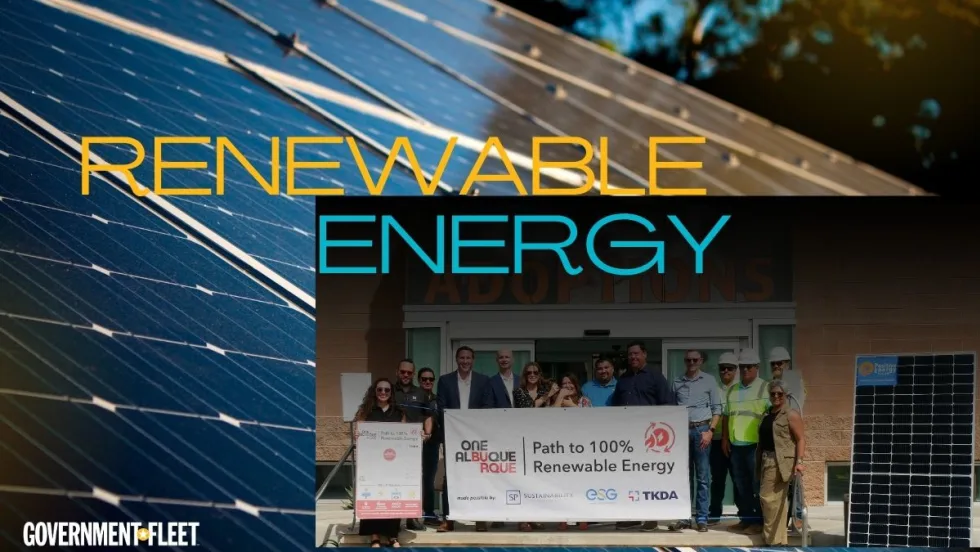
Sustainability Partners, Energy Systems Group Help Albuquerque Close the Gap on its 100% Renewable Energy Goal
The eight-site, 6 MW solar project has advanced the city toward 100% renewable energy for municipal operations.
Read More →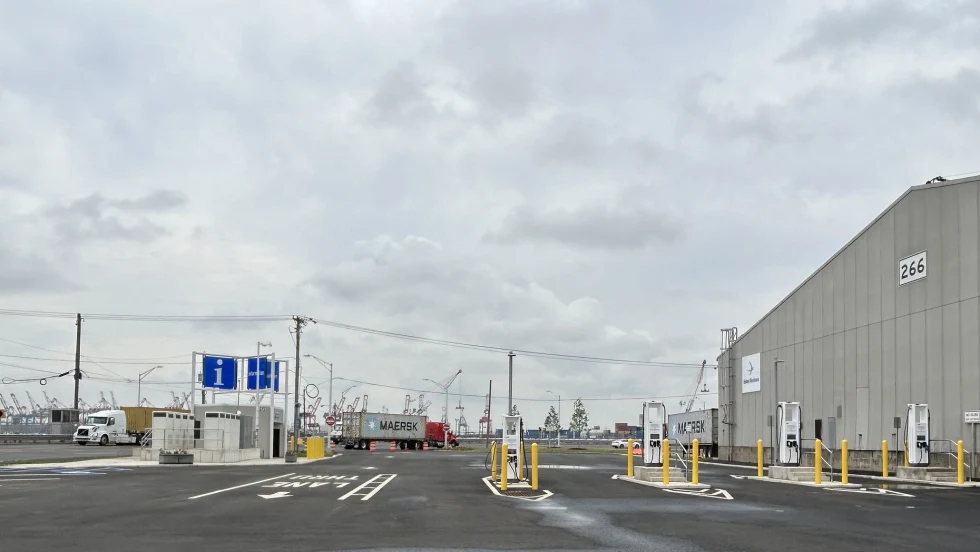
Port Authority and CALSTART Launch $45 Million Electric Truck and Charging Programs
The programs aim to boost sustainable operations across the East Coast's busiest seaport.
Read More →
Moving Government Fleets Beyond the Vehicle Purchase: EV as a Service
A discussion on how EVaaS is moving beyond pilot programs and what fleets should consider before beginning a larger deployment.
Read More →
Moving Government Fleets Beyond the Vehicle Purchase: EV as a Service
As fleets move beyond small EV pilots, Sustainability Partners CEO Adam Cain explains how EVaaS can address the infrastructure and long-term planning required for larger deployments.
Read More →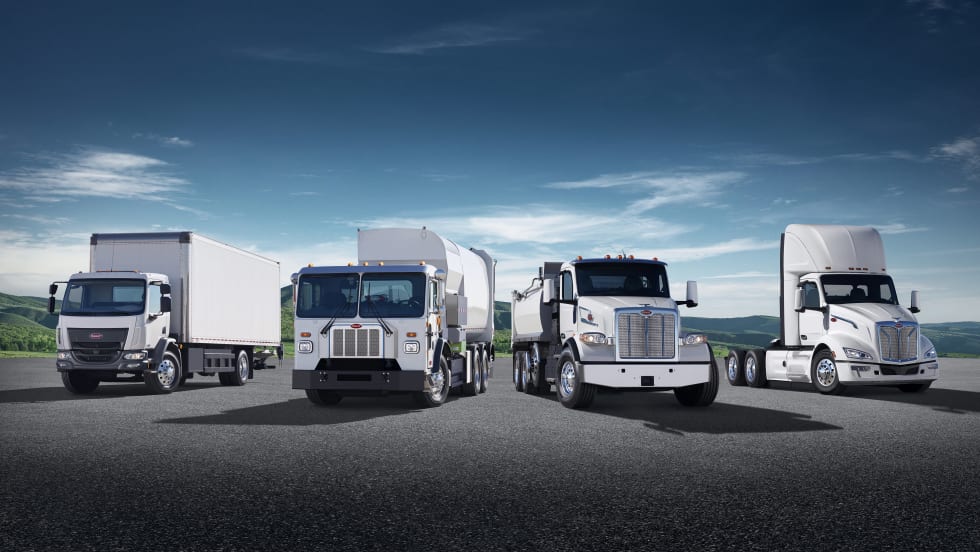
Peterbilt Expands Sourcewell Partnership with Electric Vehicle Lineup
The agreement aims to provide streamlined procurement of Peterbilt trucks for government, education, nonprofit and tribal organizations across the United States and Canada.
Read More →

EV Adoption & Charging Challenges
Where is your fleet in the journey of vehicle electrification? If you're still looking for answers to fleet electrification you've come to the right place.
Read More →
Hawaii Passes Clean Fuel Policy
Hawaii lawmakers passed clean fuel legislation that could support renewable natural gas production, biogas-powered transportation, and lower-carbon fueling options for public and commercial fleets.
Read More →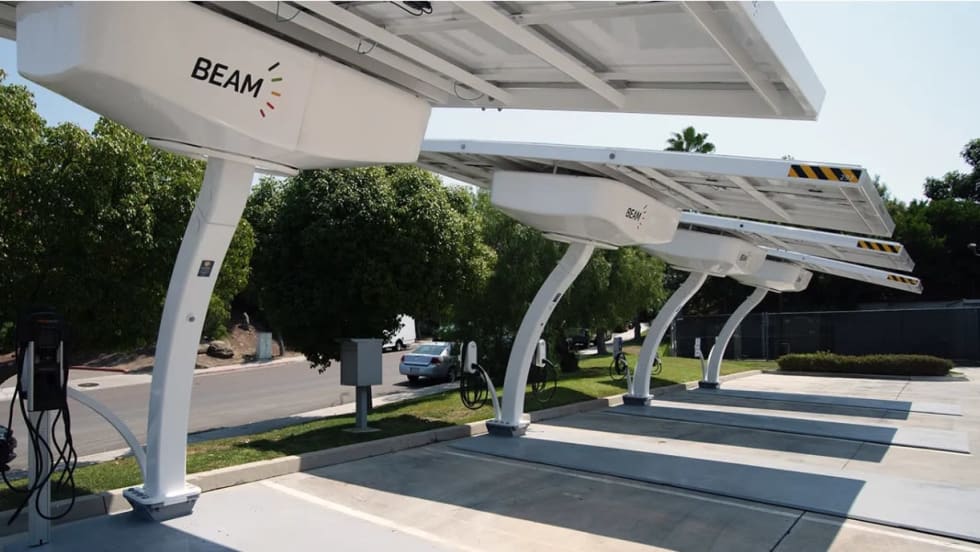
Stanislaus County Deploys Ten Beam Global EV ARC Systems to Support County Fleet Electrification
Stanislaus County deployed 10 off-grid solar-powered EV charging systems and a mobile charging trailer from Beam Global to support its electric fleet operations and emergency response flexibility.
Read More →
Heliox Pilots 480-kW Bus Charger with King County Metro
King County Metro is piloting Heliox’s new 480-kW Flex Pro charger to support expansion of its battery-electric bus fleet and depot charging infrastructure. The compact charging system supports pantograph and plug-in charging configurations for high-density transit operations.
Read More →