Government Fleet Logo
MenuMENU
SearchSEARCH

How DSNY Keeps Fleets, Garages Clean During COVID-19

COVID-19 created a need for DSNY to implement multiple safety measures to ensure its employees stayed healthy.

June 25, 2020
How DSNY Keeps Fleets, Garages Clean During COVID-19


2 min to read


The New York City Department of Sanitation's (DSNY) refuse and recycling collection has continued, though possibly at different times on different days, and despite a number of DSNY employees getting sick through the spring. It hopes to curb any spreading of COVID-19 by sanitizing 6,500 trucks before and after each shift and temporarily closing DSNY garages for sanitization.

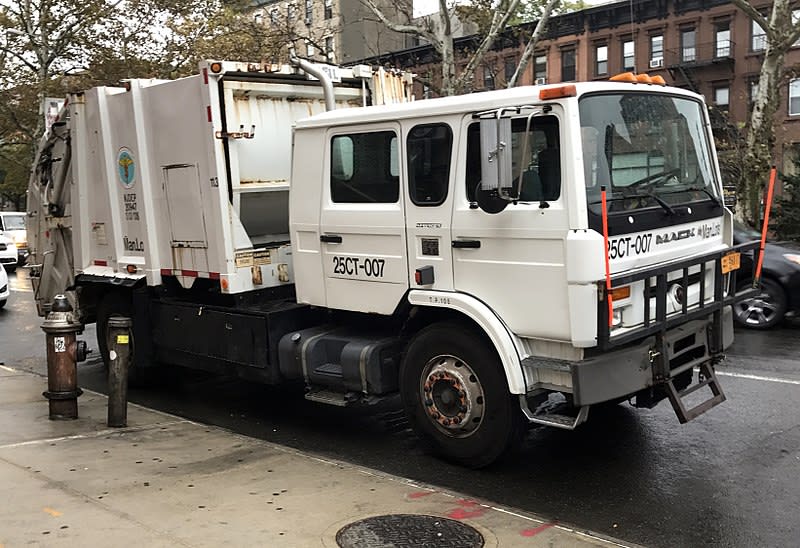
Mack trucks make up the vast majority of the DSNY’s heavy-duty fleet, which includes everything from refuse and recycling collection to snow removal. Employees already wear gloves and are encouraged to wear face coverings when social distancing is not an option. Each truck is cleaned before and after each shift. Garages are cleaned by staff three times a day, seven days a week.

DSNY operates 59 garages, all of which have closed for a deep cleaning at some point during the pandemic as a result of someone at the garage testing positive. In a press release, DSNY Deputy Commissioner Rocco DiRico said every garage in the city has been closed at some point, and some have closed more than once.

COVID-19 created a need for DSNY to implement multiple safety measures to ensure the safety of its employees, while also keeping New York City streets clean for citizens. DSNY is now operating three shifts a day, with most of the refuse and recycling collection occurring at night or in the early morning hours to promote social distancing.

While a number of DSNY employees have tested positive for the virus, most have already recovered and returned to work. DSNY is, however, mourning the loss of 14 employees who died from COVID-19 or presumed COVID-19 complications. 
More Safety

freightliner whitepaper
SponsoredMarch 26, 2026

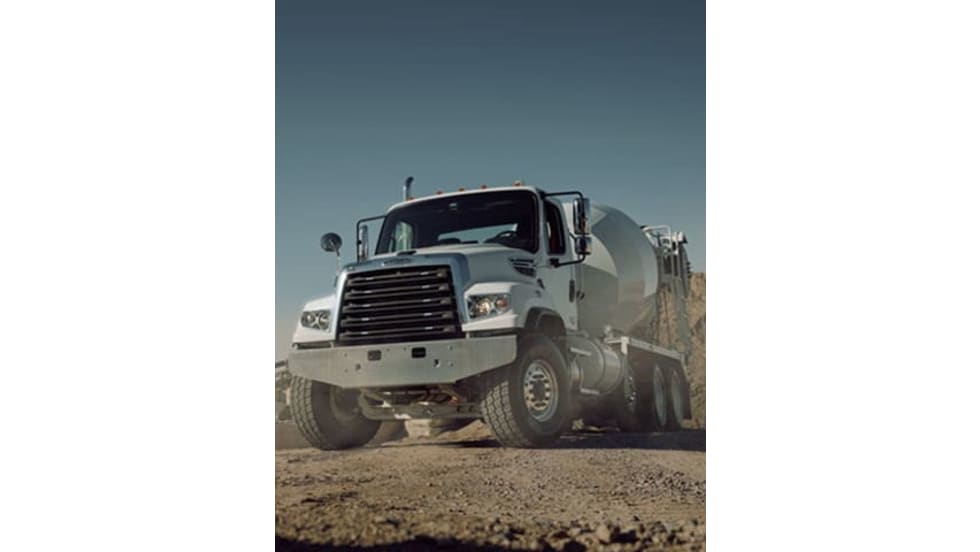
Safety by Design: Power and Protection in the Freightliner 114SD Plus

Safety and productivity go hand-in-hand on today’s vocational jobsites. The Freightliner 114SD Plus combines advanced driver-assist technologies with proven reliability to keep crews moving constantly from start to finish. Learn how safety by design can protect your team, reduce risk, and maximize uptime.

Read More →
A Samsara report cover titled 'The Exoneration Factor: How Dash Cams Reduce Risk and Deliver Clear ROI for the U.S. Public Sector,' featuring a close-up photo of a dash cam mounted on a vehicle windshield with a driver reflected in the rearview mirror and a desert road visible in the background.
SponsoredMarch 24, 2026

How Dash Cams Reduce Risk and Deliver Clear ROI for the U.S. Public Sector

For government agencies, dash cams have moved from a nice-to-have to a necessity—not just for public safety, but also for operational efficiency and cost savings. Download the full report today for insights from fellow public sector leaders on how dash cams are reducing risk, lowering premiums, and delivering clear ROI.

Read More →
OperationsMarch 1, 2026

3 Ways Fleet Tech Builds Public Trust

Managing a state or local fleet comes with levels of accountability private companies don’t have. Read how modern fleet technology helps elevate visibility and safety to strengthen community trust.

Read More →
Ad Loading...
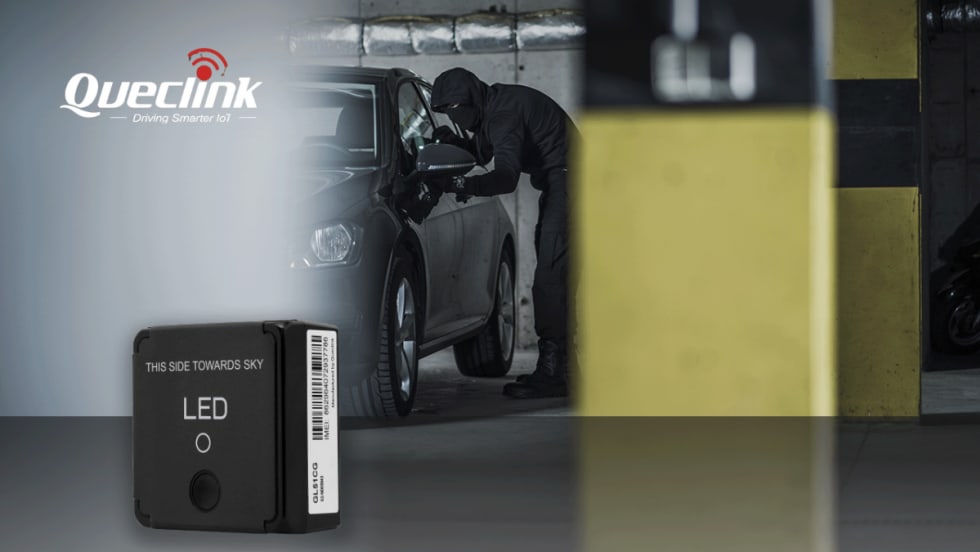
Queclink GL51CG battery-powered backup vehicle tracker shown alongside an image representing vehicle theft and recovery monitoring.
Safetyby News/Media ReleaseFebruary 16, 2026

Tracker Innovation From Queclink to Boost Stolen Vehicle Recovery Performance

Queclink has introduced a backup telematics device designed to support stolen vehicle recovery by activating only when a primary tracker is disabled, helping fleets and financing providers respond more quickly to theft.

Read More →
Emergency response with fire truck and 911 printed on side.
SafetyFebruary 3, 2026

First Response Fleets: 10 Takeaways for 2026

A practical look at what first response fleet leaders can apply right now, with clear guidance for making stronger decisions throughout 2026.

Read More →
SponsoredJanuary 19, 2026

3 New Ways Fleet Software Pays: ROI opportunities for modern fleet managers

Public fleets face constant pressure to do more with limited budgets. This eBook outlines how modern fleet software helps agencies extend asset life, reduce unplanned downtime, and improve safety by automating maintenance, using smarter video insights, and unifying fleet data. A practical look at how technology can drive measurable ROI for taxpayers.

Read More →
Ad Loading...
Safetyby Jeanny RoaDecember 22, 2025

Holiday Travel Surge: What Government Fleet Managers Need to Know About Increased Road Risks

As year-end travel reaches record levels, fleet managers must anticipate increased road congestion and safety challenges for government vehicles and drivers.

Read More →
SafetyDecember 11, 2025

How Government Fleets Can Reduce Distracted Driving: Key Takeaways

Crashes, near misses, and costly collisions still occur every day. How agencies can better protect their drivers, roadside workers, and communities.

Read More →
Safetyby News/Media ReleaseOctober 29, 2025

New CNG Vehicle Incident Response Resource Released

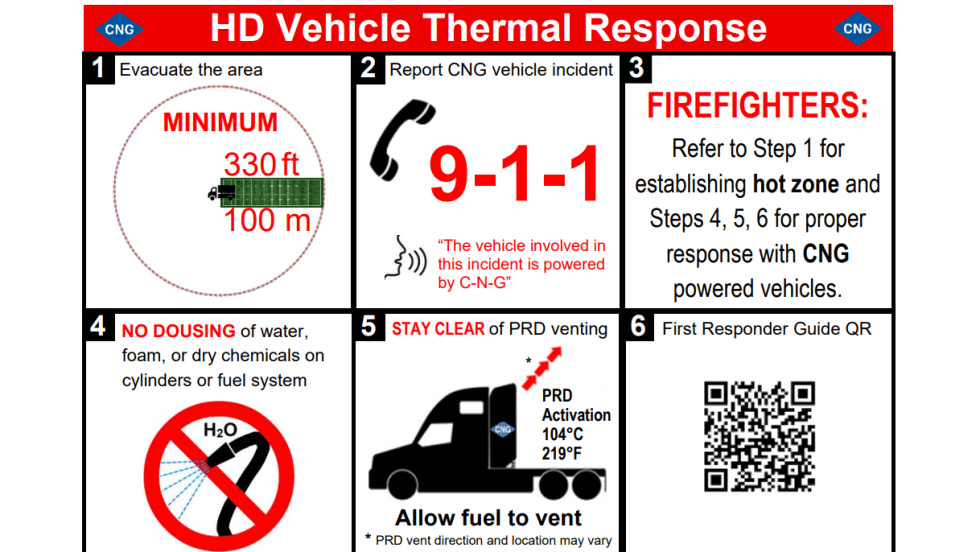
The downloadable safety guide contains detailed “Vehicle Crash and/or Leak Response” instructions in addition to “Vehicle Thermal Response” instructions.

Read More →
Ad Loading...
Close-up of a person reviewing charts and a document featuring the Samsara logo, representing research findings on disaster preparedness and operational resilience.
Safetyby News/Media ReleaseOctober 21, 2025

New Samsara Data Reveals Dangerous Gap in Disaster Readiness

A new Samsara report highlights widespread gaps in disaster preparedness among public and private organizations, with most leaders lacking confidence in their ability to respond to major crises.

Read More →