


 MENU
MENU SEARCHMENUSEARCH
Loading data...
PRINCETON, NJ - The Association has formed the NAFA CARB Advisory Council, a new sub-committee of NAFA's Fuels & Technology Advisory Council, to provide input to both NAFA and the Air Resources Board on regulatory matters that impact fleet managers in California.
Read More →CHAGRIN FALLS, OH - The Environmental Protection Agency’s SmartWay program says fleets installing Aerodynamic Trailer Systems’ new IAS Integrated Automated System (SmartTail with WindTamer) will satisfy stringent California Air Resources Board (CARB) legislation.
Read More →FRESNO, CA - The California Air Resources Board (ARB) is implementing the next step in the plan to lower diesel emissions statewide by January 1, 2023.
Read More →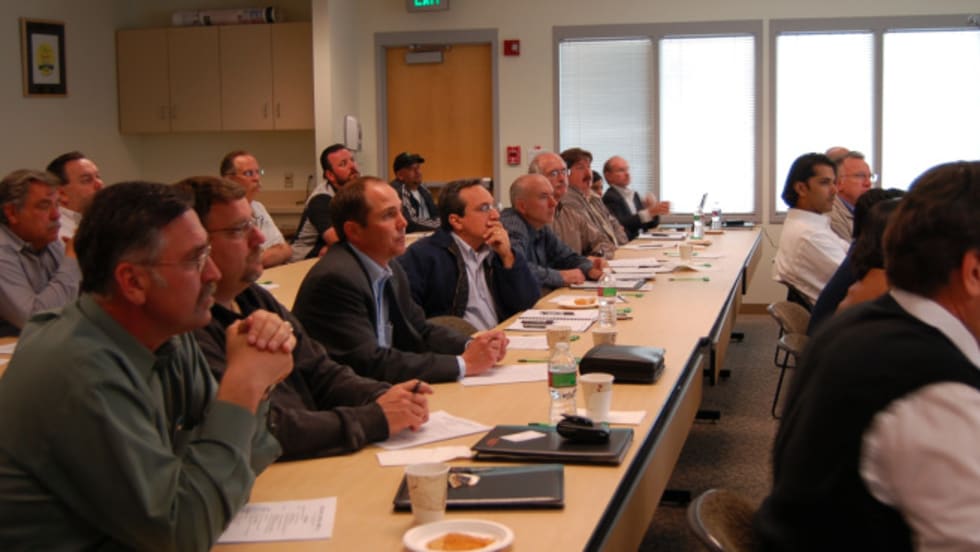
LOS ALTOS, CA– Baytech Corporation has obtained EPA and CARB certifications for Baytech’s dedicated compressed natural gas (CNG) fueled 2009-MY General Motors, Isuzu, and Workhorse medium-and heavy-duty vehicles with 6.0L engines.
Read More →PASADENA, CA – The California Air Resources Board officials have slapped Pasadena with the $23,250 fine for not properly inspecting emissions from its fleet of diesel vehicles.
Read More →SACRAMENTO, CA – The California Air Resources Board (CARB) is offering up to $5,000 in rebates to Californians who purchase alternative-fuel and electric vehicles, under the Fueling Alternatives rebate program.
Read More →SACRAMENTO, CA – California is seeking experienced and qualified teams to compete for part of $7.7 million aimed at helping construct and improve hydrogen-fueling stations in the Los Angeles and San Francisco areas.
Read More →DALLAS, TX – BAF Technologies, a provider of natural gas and propane vehicle upfits, has received CARB and EPA certification, including OBD II, for the Ford E350.
Read More →SAN FRANCISCO — The California Air Resources Board (CARB) conditionally approved the use of diesel hybrid-electric buses (HEBs) for use by some transit agencies in California on June 24, according to The San Francisco Chronicle.
Read More →CULVER CITY, CA - The Culver City Equipment Maintenance & Fleet Services Division hosted its second annual "Regulatory Technical Summit - Part #2" at its facility March 30.
Read More →