




Culver City Hosts Regulatory Technical Summit
CULVER CITY, CA - The Culver City Equipment Maintenance & Fleet Services Division hosted its second annual "Regulatory Technical Summit - Part #2" at its facility March 30.
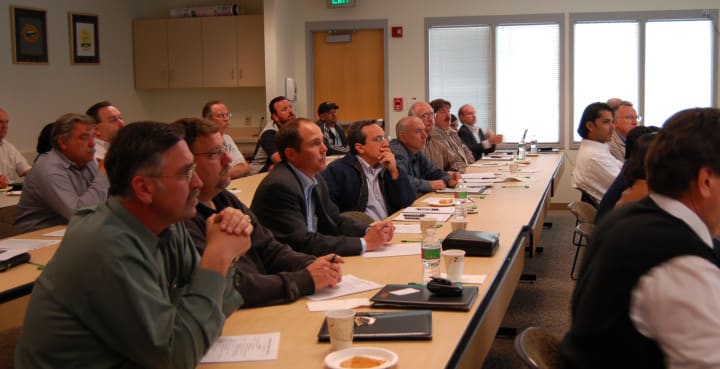
Approximately 40 participants from the Los Angeles area and other parts of California recently gathered for the second annual "Regulatory Technical Summit - Part #2" in Culver City, Calif.
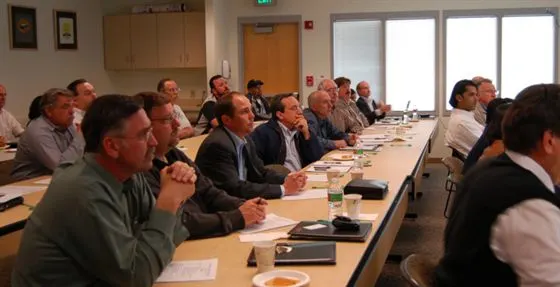
CULVER CITY, CA - The Culver City Equipment Maintenance & Fleet Services Division hosted its second annual "Regulatory Technical Summit - Part #2" at its facility March 30.
Approximately 40 participants from around the Los Angeles area and other parts of California gathered to hear from regulatory and industry experts on current emissions regulations, diesel PM reduction strategies, various timelines and reporting, alternative-fuel opportunities, state and local grant funding opportunities, and assistance for grant applications.
Featured speakers included Dean Saito from South Coast Air Quality Management District (AQMD), Warren Hawkins from the California Air Resources Board (ARB), Cynthia Ravenstein from the Mobile Source Air Pollution Reduction Review Committee (MSRC), Steve Anthony from the Southern California Gas Company (SoCalGas), and Steve Moch & Brendon Sher from the Los Angeles Community College District (LACCD). There was also a presentation by JoAnn Armenta from PurposeFocus/Clean Cities on emissions reductions strategies.
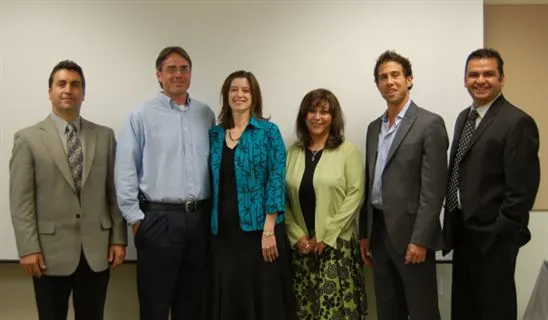
Attendees were able to ask questions throughout the presentations, as well as during a dedicated Q&A following the last speaker.
Issues addressed included the possibility of "rollover funding" for fleets that are not able to continue on with their share of the costs for a funded project. According to Cynthia Ravenstein, MSRC, the next individual/agency on the waiting list would be funded instead. "It isn't right for someone to keep hanging onto the money if someone else can use it," she explained.
In addition, Eloy Florez from the ARB emphasized to attendees the importance of specifying, during the bid process, which requirements the fleet is trying to meet, as well as how crucial it is for fleets to comply with idle regulations (i.e. $300 ticket for idling).
Several attendees also shared concerns about natural gas pipelines being disrupted by natural disasters, with one fleet manager citing the 1994 Northridge earthquake as example. "The natural gas lines were shut down for 24 hours," he said. In response, another participant said his agency now has a dedicated generator to make sure there is backup power when no electricity is available to pump fuel tanks.
After the presentations, attendees were invited to take a tour of Culver City's fleet facility.
Led by Paul Condran, equipment maintenance manager and Bobit Business Media's 2009 Environmental Leadership Award recipient, Culver City earned the title of #1 Government Green Fleet in North America in 2009.
More Green Fleet
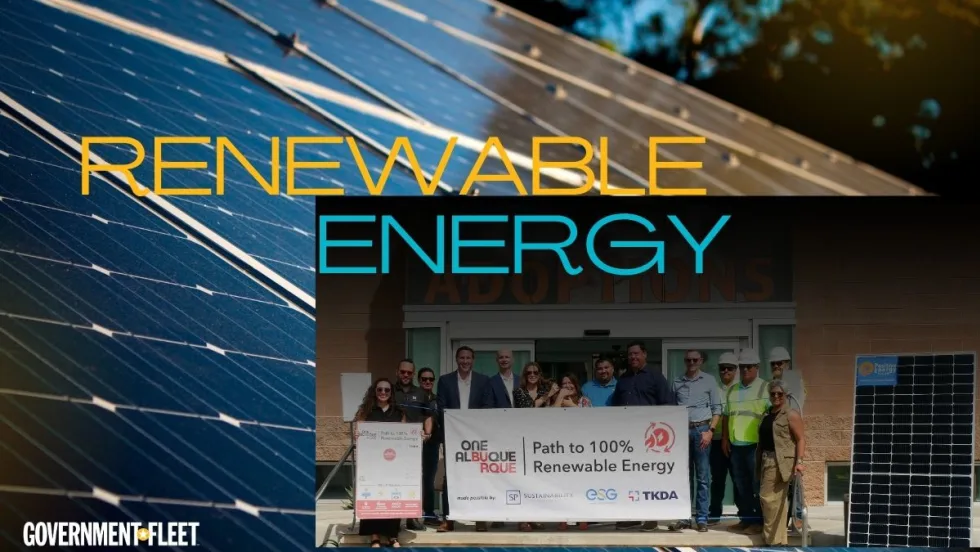
Sustainability Partners, Energy Systems Group Help Albuquerque Close the Gap on its 100% Renewable Energy Goal
The eight-site, 6 MW solar project has advanced the city toward 100% renewable energy for municipal operations.
Read More →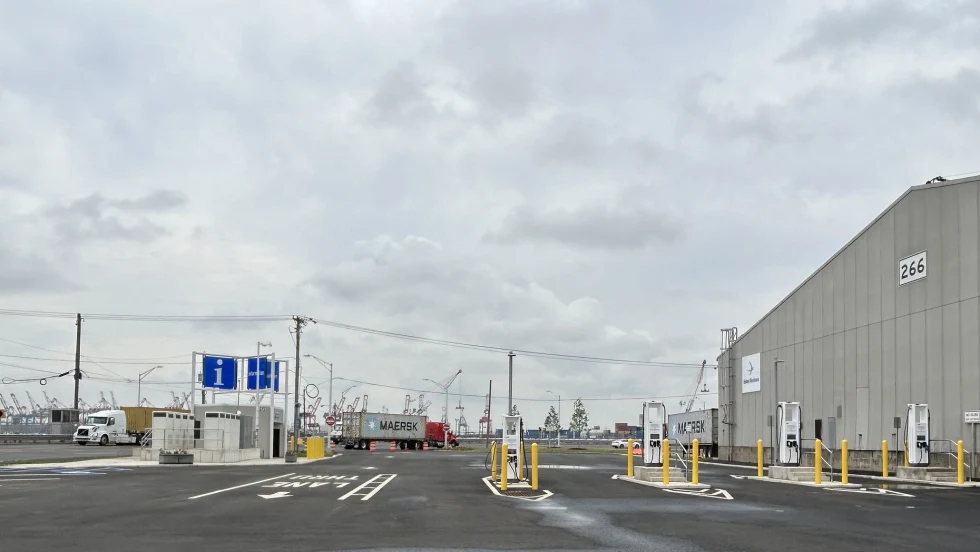
Port Authority and CALSTART Launch $45 Million Electric Truck and Charging Programs
The programs aim to boost sustainable operations across the East Coast's busiest seaport.
Read More →
Moving Government Fleets Beyond the Vehicle Purchase: EV as a Service
A discussion on how EVaaS is moving beyond pilot programs and what fleets should consider before beginning a larger deployment.
Read More →
Moving Government Fleets Beyond the Vehicle Purchase: EV as a Service
As fleets move beyond small EV pilots, Sustainability Partners CEO Adam Cain explains how EVaaS can address the infrastructure and long-term planning required for larger deployments.
Read More →
Peterbilt Expands Sourcewell Partnership with Electric Vehicle Lineup
The agreement aims to provide streamlined procurement of Peterbilt trucks for government, education, nonprofit and tribal organizations across the United States and Canada.
Read More →
EV Adoption & Charging Challenges
Where is your fleet in the journey of vehicle electrification? If you're still looking for answers to fleet electrification you've come to the right place.
Read More →
Hawaii Passes Clean Fuel Policy
Hawaii lawmakers passed clean fuel legislation that could support renewable natural gas production, biogas-powered transportation, and lower-carbon fueling options for public and commercial fleets.
Read More →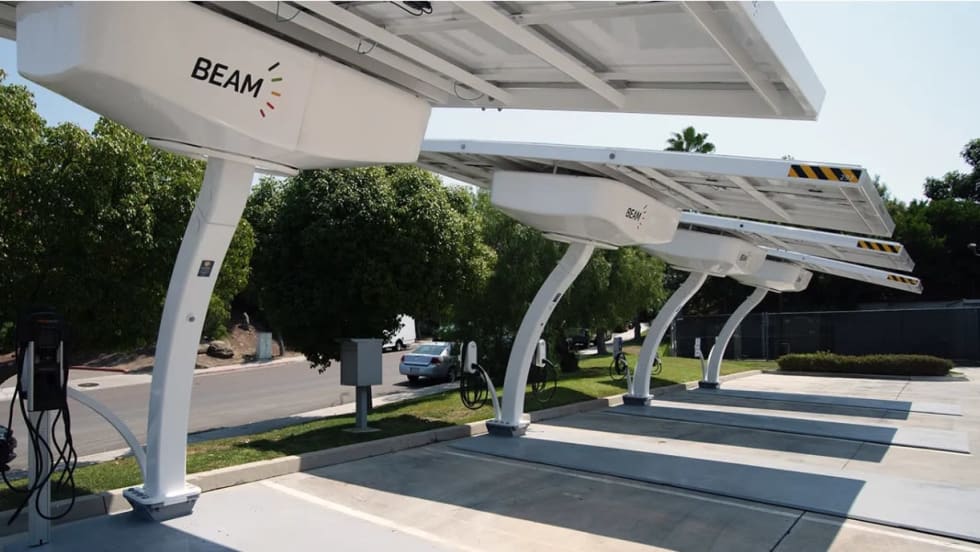
Stanislaus County Deploys Ten Beam Global EV ARC Systems to Support County Fleet Electrification
Stanislaus County deployed 10 off-grid solar-powered EV charging systems and a mobile charging trailer from Beam Global to support its electric fleet operations and emergency response flexibility.
Read More →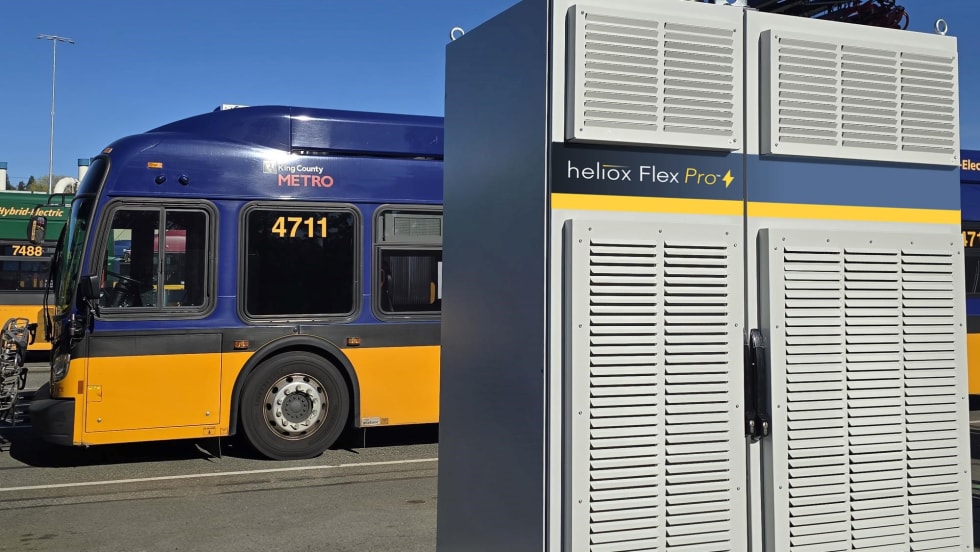
Heliox Pilots 480-kW Bus Charger with King County Metro
King County Metro is piloting Heliox’s new 480-kW Flex Pro charger to support expansion of its battery-electric bus fleet and depot charging infrastructure. The compact charging system supports pantograph and plug-in charging configurations for high-density transit operations.
Read More →