


 MENU
MENU SEARCHMENUSEARCH
Loading data...
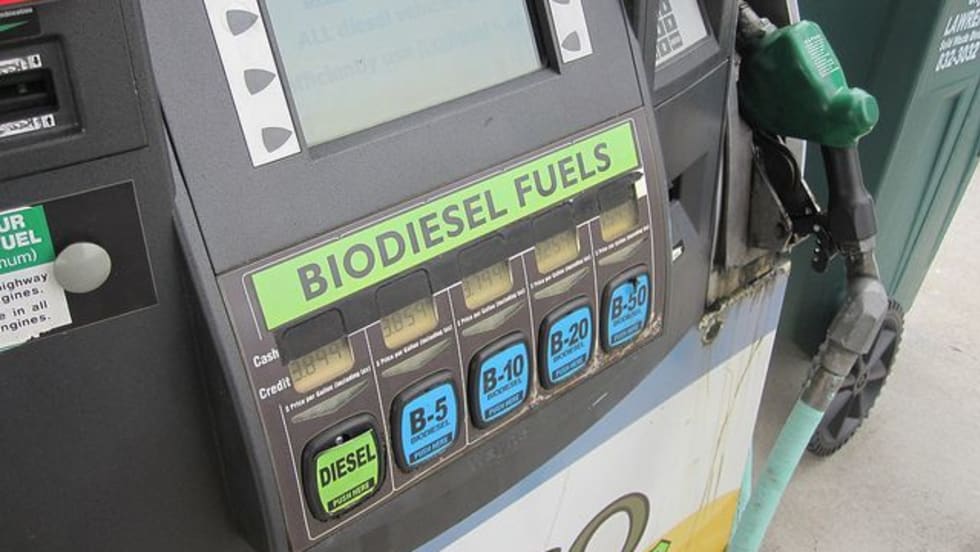
Minnesota began requiring all diesel fuel in the state to contain 10% biodiesel on July 1. The state's Department of Natural Resources, which has 1,200 diesel vehicles, has been experimenting with B-20 and doesn't anticipate any problems with the move to B-10.
Read More →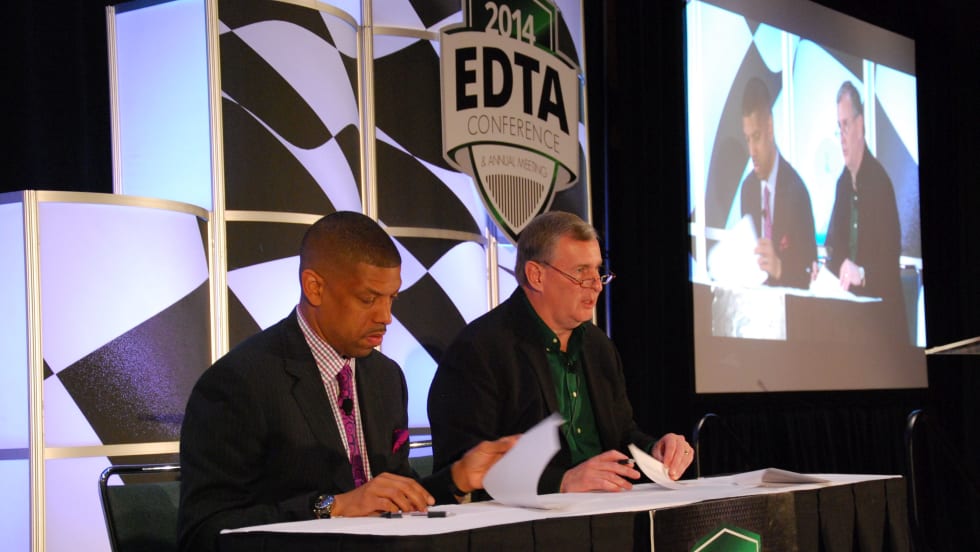
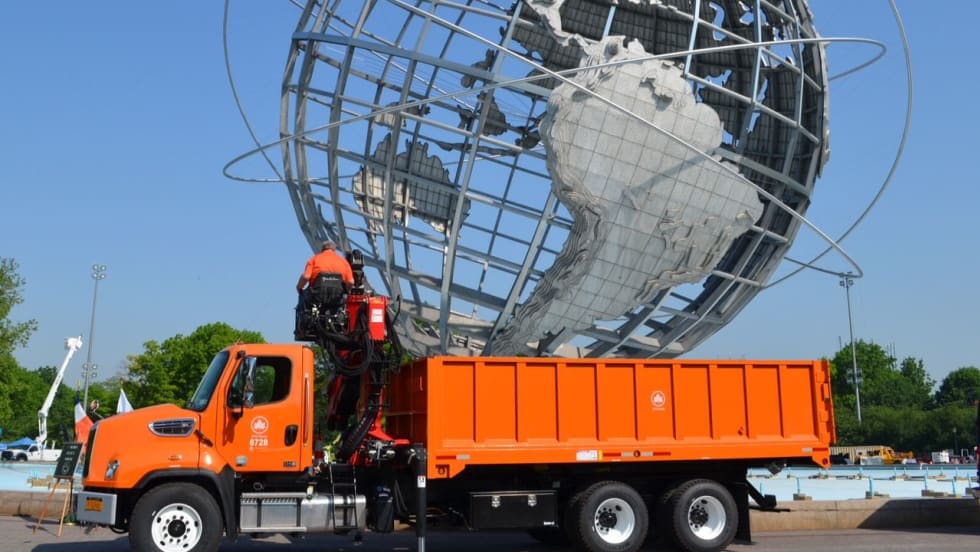

New York City has passed a new law requires the City fleet to use a B5 biodiesel blend in its vehicles beginning July 1, 2014 and a B20 blend starting July 1, 2016, from April to November each year.
Read More →The article on AL.com said the City is using B-100 in its mowers and that about 80% of the City’s diesel vehicles will use B-20.
Read More →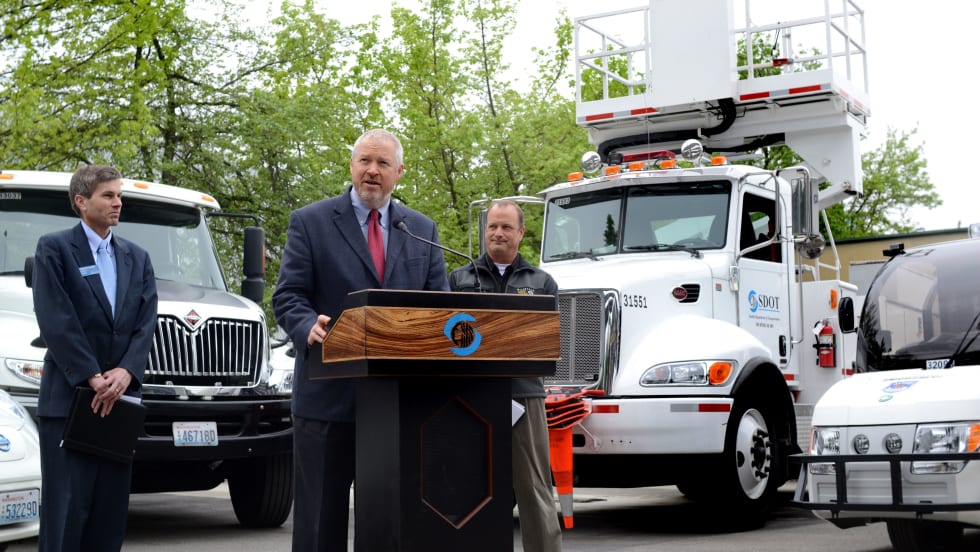
According to the report from North Carolina State University’s North Carolina Solar Center, 36 State agencies were able to exceed the State’s goal through a mix of alternative-fuel vehicle use and fuel-efficiency and conservation measures.
Read More →The mayors of the cities of Indianapolis and Sacramento, Calif., have pledged to work together to reduce the use of petroleum-based fuels in their municipal fleets.
Read More →The Fleet Federation, a group formed by New York City’s 10 departments with the largest fleets, banded together to implement shared services and other cost-savings measures under the direction of a new fleet chief.
Read More →Federal funding for alternative fuels may be slowing down. How will this affect government fleet adoption of alternative fuels?
Read More →Bipartisan legislation has been introduced in the U.S. to reinstate a tax incentive that expired at the end of 2013 when it comes to the production of domestic biodiesel fuel.
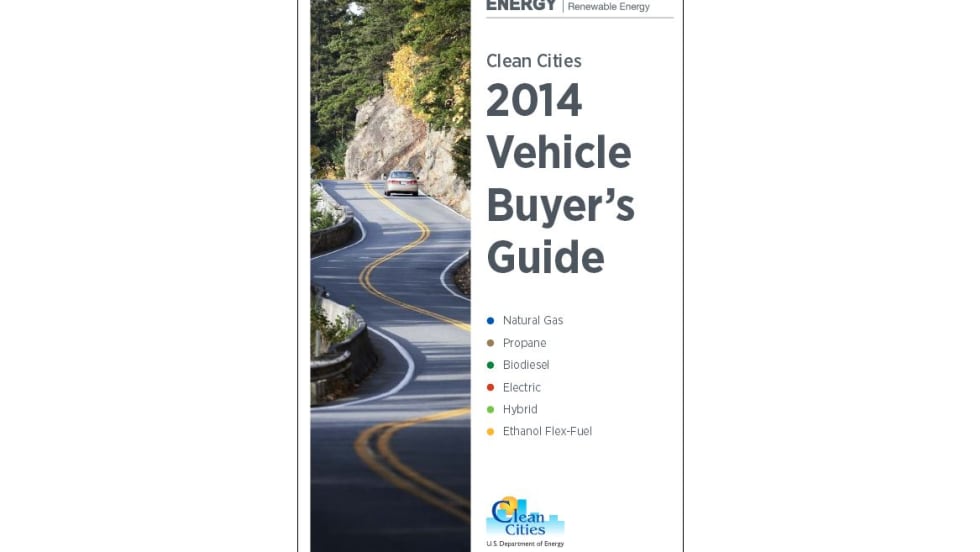
Read More →Clean Cities' 2014 Vehicle Buyer’s Guide provides a comprehensive list of gasoline-electric hybrids and vehicles that run on propane, compressed natural gas (CNG), electricity, E-85, and biodiesel.
Read More →This goal would require a 42% reduction in petroleum-based fuel use when using the amount of fuel the City’s fleet used in 2012 as the baseline.
Read More →