




Legislation Restoring Federal Biodiesel Incentives Introduced
Bipartisan legislation has been introduced in the U.S. to reinstate a tax incentive that expired at the end of 2013 when it comes to the production of domestic biodiesel fuel.

Photo courtesy of Wikimedia

Photo courtesy of Wikimedia
Bipartisan legislation has been introduced in the U.S. to reinstate a tax incentive that expired at the end of 2013 when it comes to the production of domestic biodiesel fuel.
U.S. Senators Chuck Grassley, R-Iowa, and Maria Cantwell, D-Wash., have offered up the Biodiesel Tax Incentive Reform and Extension Act of 2014, or S. 2021.
It would reform and extend the $1-per-gallon tax credit for biodiesel producers through 2017. Congress has allowed the credit to expire three times since the end of 2009.
The senators say the measure would provide predictability to investors and producers so the United States can continue moving forward to displace imported fossil fuels with low carbon, renewable biodiesel.
Specifically, the Cantwell-Grassley measure:
Provides a $1 per-gallon tax credit for the production of biodiesel, renewable diesel and aviation jet fuel that complies with fuel standards and Clean Air Act requirements.
Increases the credit from $1 to $1.10 for the first 15 million gallons of biodiesel produced by small producers with an annual production capacity of less than 60 million gallons.
Eliminates potential abuses and simplifies how the tax is administered by restricting the credit to fuel producers and excluding fuel blenders from eligibility.
Simplifies the definition of “biodiesel” to encourage production from any biomass-based feedstock or recycled oils and fats.
Tightens compliance and reduces administrative burdens on taxpayers by simplifying the coordination between the income tax credit and the excise tax liability.
By focusing on production and excluding fuel blenders from being eligible for this tax credit, the senators say the legislation would eliminate any remaining opportunity for abuse known as “splash and dash” in which oil companies add a few drops of biodiesel to petroleum diesel to qualify for the tax credit. The change also ensures the credit benefits domestic producers. The previous law allowed blenders to receive the credit for blends that included foreign-imported biodiesel.
“Biodiesel is America’s first advanced biofuel, which can be made from a variety of feedstocks such as cooking grease and soybeans. This legislation gives businesses the certainty they need to invest in biodiesel and the development of affordable, domestic alternatives to fossil fuels,” Cantwell said.
“When investors suspend their funding of clean energy production, jobs fall by the wayside,” Grassley said. “Continuing incentives for biodiesel and other green energy sources supports jobs, helps the environment and increases energy independence. There's every reason to support biodiesel production.”
Supporters of the bill claim biodiesel industry growth stopped after Congress let the credit expire in 2012 and production remained flat at just under 1.1 billion gallons, the same level as 2011. When the credit was reinstated in 2013, the U.S. biodiesel industry produced 1.8 billion gallons in that year.
The legislation is currently awaiting action in the Senate Committee on Finance.
More Green Fleet
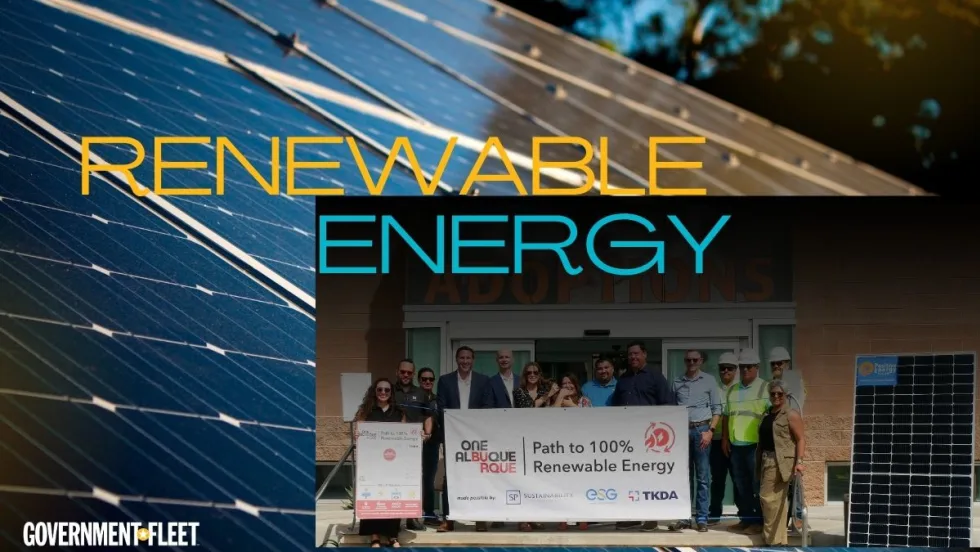
Sustainability Partners, Energy Systems Group Help Albuquerque Close the Gap on its 100% Renewable Energy Goal
The eight-site, 6 MW solar project has advanced the city toward 100% renewable energy for municipal operations.
Read More →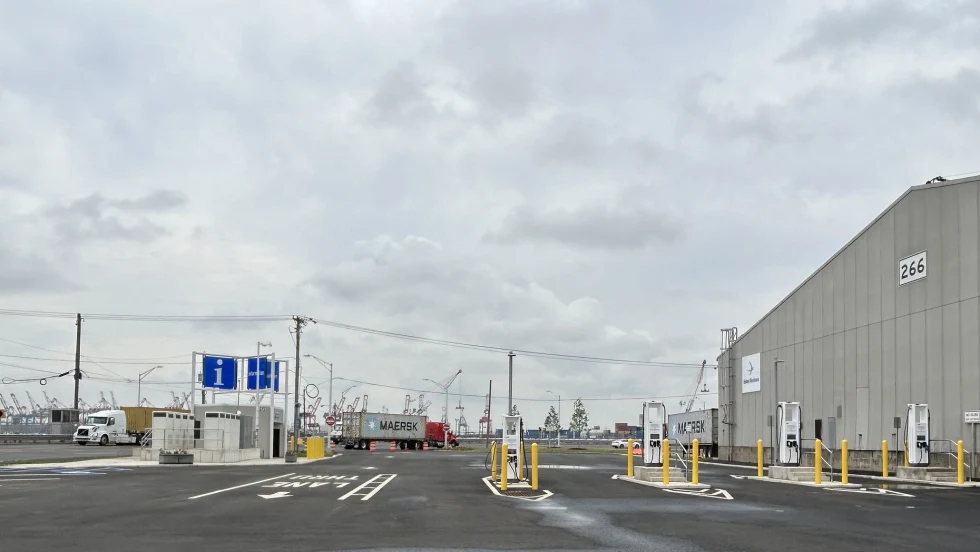
Port Authority and CALSTART Launch $45 Million Electric Truck and Charging Programs
The programs aim to boost sustainable operations across the East Coast's busiest seaport.
Read More →
Moving Government Fleets Beyond the Vehicle Purchase: EV as a Service
A discussion on how EVaaS is moving beyond pilot programs and what fleets should consider before beginning a larger deployment.
Read More →
Moving Government Fleets Beyond the Vehicle Purchase: EV as a Service
As fleets move beyond small EV pilots, Sustainability Partners CEO Adam Cain explains how EVaaS can address the infrastructure and long-term planning required for larger deployments.
Read More →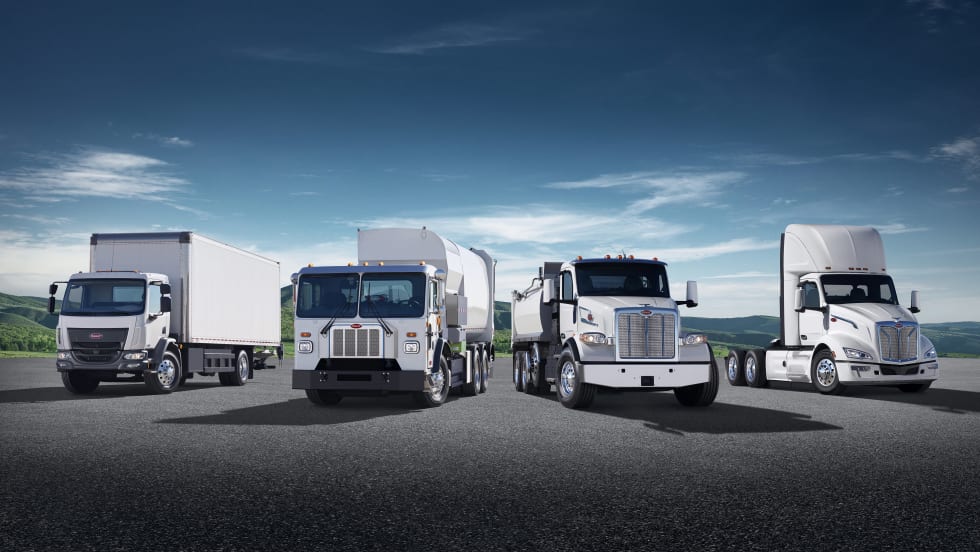
Peterbilt Expands Sourcewell Partnership with Electric Vehicle Lineup
The agreement aims to provide streamlined procurement of Peterbilt trucks for government, education, nonprofit and tribal organizations across the United States and Canada.
Read More →
EV Adoption & Charging Challenges
Where is your fleet in the journey of vehicle electrification? If you're still looking for answers to fleet electrification you've come to the right place.
Read More →
Hawaii Passes Clean Fuel Policy
Hawaii lawmakers passed clean fuel legislation that could support renewable natural gas production, biogas-powered transportation, and lower-carbon fueling options for public and commercial fleets.
Read More →
Stanislaus County Deploys Ten Beam Global EV ARC Systems to Support County Fleet Electrification
Stanislaus County deployed 10 off-grid solar-powered EV charging systems and a mobile charging trailer from Beam Global to support its electric fleet operations and emergency response flexibility.
Read More →
Heliox Pilots 480-kW Bus Charger with King County Metro
King County Metro is piloting Heliox’s new 480-kW Flex Pro charger to support expansion of its battery-electric bus fleet and depot charging infrastructure. The compact charging system supports pantograph and plug-in charging configurations for high-density transit operations.
Read More →