




Indianapolis, Sacramento Forge Alt-Fuel Pact
The mayors of the cities of Indianapolis and Sacramento, Calif., have pledged to work together to reduce the use of petroleum-based fuels in their municipal fleets.
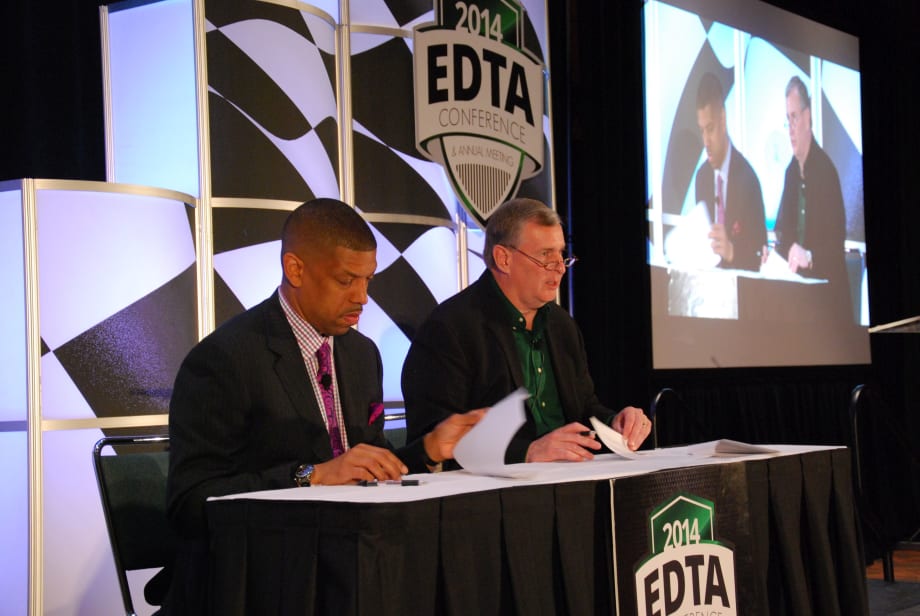
Sacramento Mayor Kevin Johnson (left) and Indianapolis Mayor Greg Ballard are partnering to reduce fuel use. Photo courtesy of City of Indianapolis.
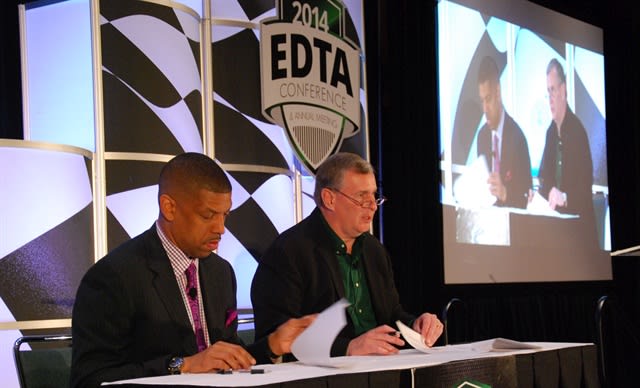
Sacramento Mayor Kevin Johnson (left) and Indianapolis Mayor Greg Ballard are partnering to reduce fuel use. Photo courtesy of City of Indianapolis.
The mayors of the cities of Indianapolis and Sacramento, Calif., have pledged to work together to reduce the use of petroleum-based fuels in their municipal fleets.
City of Indianapolis Mayor Greg Ballard and City of Sacramento Mayor Kevin Johnson signed an agreement on May 21 at the 2014 Electric Drive Transportation Association annual meeting in Indianapolis.
The two cities pledged to establish an aggressive timeline to move away from using petroleum-based fuel, as well as share information about their fleet transitions and best practices, and promote the use and development of post-oil vehicles and technology. The cities will also share experiences in applying for and using federal and state grants to complete their greening projects.
"Light transportation consumes about 40% of our oil," Ballard said. "I am hoping Indy and Sacramento can lead the way, encouraging other cities, states, and companies to take similar action, thereby releasing the chokehold oil plays in our foreign policy."
In 2012, Ballard signed an executive order mandating his city's municipal fleet be powered by post-oil technology by 2025.
Indianapolis is already making gains in the conversion of its fleet. Last year, the City switched to the B-20 biodiesel blend for its heavy-duty trucks. Last month, the City took delivery of the first plug-in hybrid sedans. These sedans are currently being tested in a variety of government agencies.
Another 50 vehicles will arrive later this summer with the goal of transitioning all 425 non-police pursuit sedans to plug-in vehicles by the end of 2015. It is estimated that each vehicle in the "freedom fleet" will save Indianapolis taxpayers $8,000 to $10,000 over the lifespan of the vehicle.
The Sacramento fleet has also made headway in its greening efforts, with more than 20% of the city fleet running on alternative fuels. These include using liquefied natural gas (LNG) and renewable natural gas (RNG) refuse vehices, flex-fuel light-duty sedans and pickup trucks, propane autogas vans and trucks, and plug-in battery electric and hybrid vehicles.
Keith Leech, Sacramento's fleet manager, is scheduled to visit the Indianapolis fleet in June to discuss sharing of best practices and collaboration to promote clean energy technology.
More Green Fleet
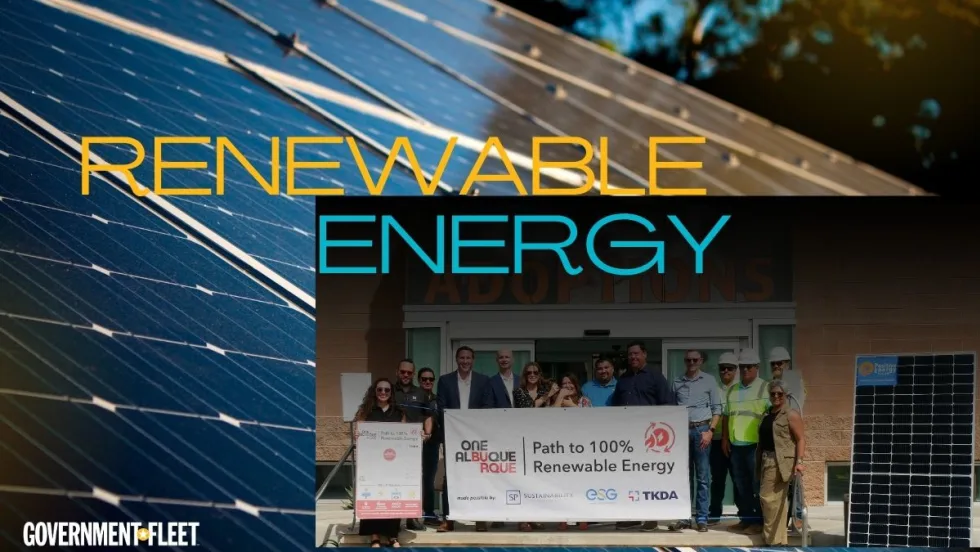
Sustainability Partners, Energy Systems Group Help Albuquerque Close the Gap on its 100% Renewable Energy Goal
The eight-site, 6 MW solar project has advanced the city toward 100% renewable energy for municipal operations.
Read More →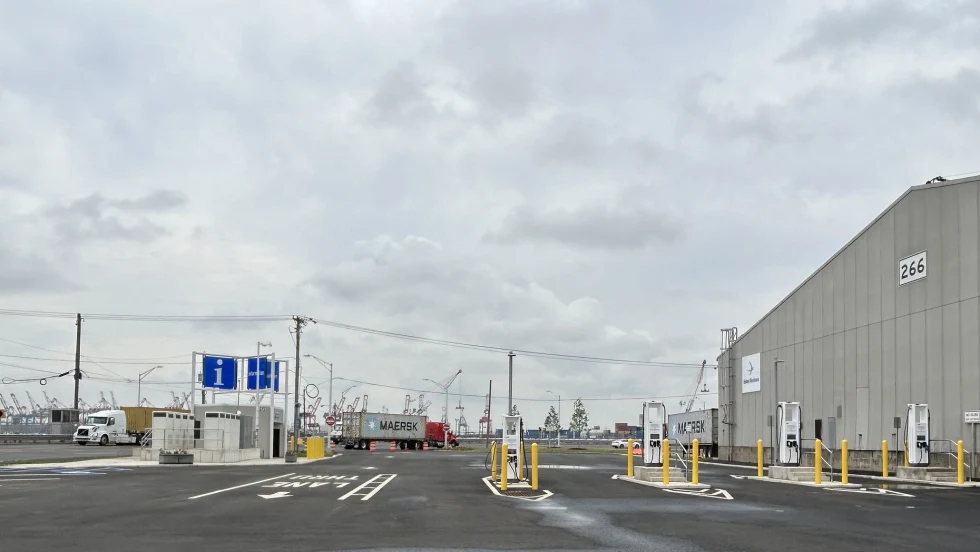
Port Authority and CALSTART Launch $45 Million Electric Truck and Charging Programs
The programs aim to boost sustainable operations across the East Coast's busiest seaport.
Read More →
Moving Government Fleets Beyond the Vehicle Purchase: EV as a Service
A discussion on how EVaaS is moving beyond pilot programs and what fleets should consider before beginning a larger deployment.
Read More →
Moving Government Fleets Beyond the Vehicle Purchase: EV as a Service
As fleets move beyond small EV pilots, Sustainability Partners CEO Adam Cain explains how EVaaS can address the infrastructure and long-term planning required for larger deployments.
Read More →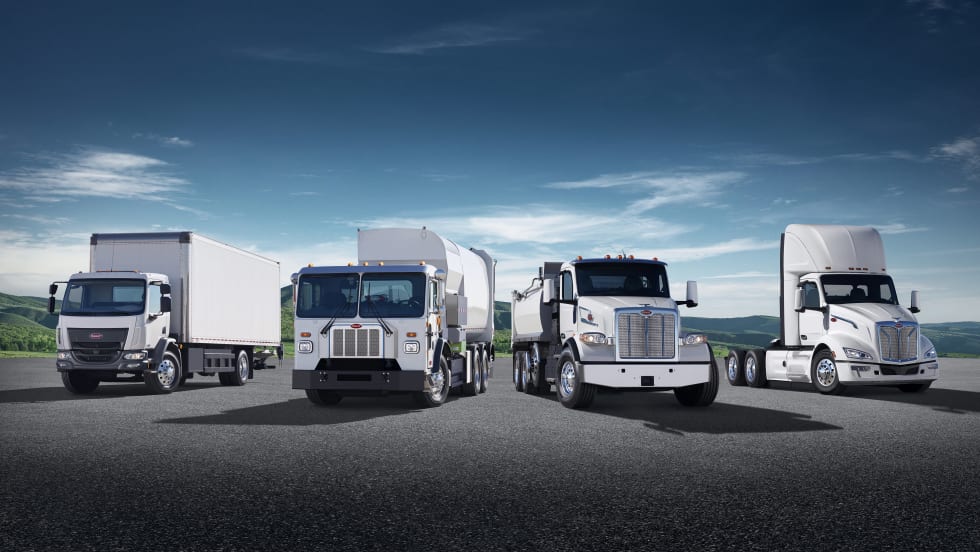
Peterbilt Expands Sourcewell Partnership with Electric Vehicle Lineup
The agreement aims to provide streamlined procurement of Peterbilt trucks for government, education, nonprofit and tribal organizations across the United States and Canada.
Read More →
EV Adoption & Charging Challenges
Where is your fleet in the journey of vehicle electrification? If you're still looking for answers to fleet electrification you've come to the right place.
Read More →
Hawaii Passes Clean Fuel Policy
Hawaii lawmakers passed clean fuel legislation that could support renewable natural gas production, biogas-powered transportation, and lower-carbon fueling options for public and commercial fleets.
Read More →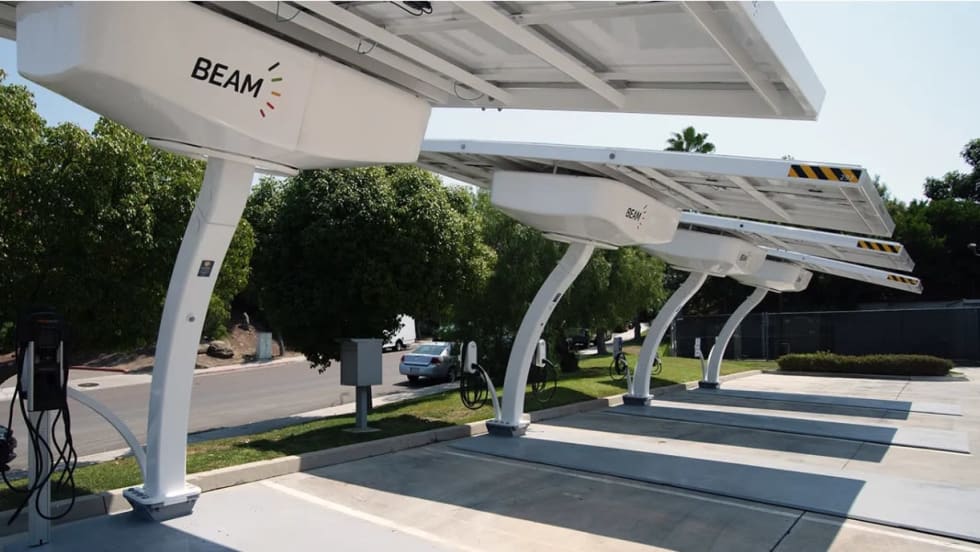
Stanislaus County Deploys Ten Beam Global EV ARC Systems to Support County Fleet Electrification
Stanislaus County deployed 10 off-grid solar-powered EV charging systems and a mobile charging trailer from Beam Global to support its electric fleet operations and emergency response flexibility.
Read More →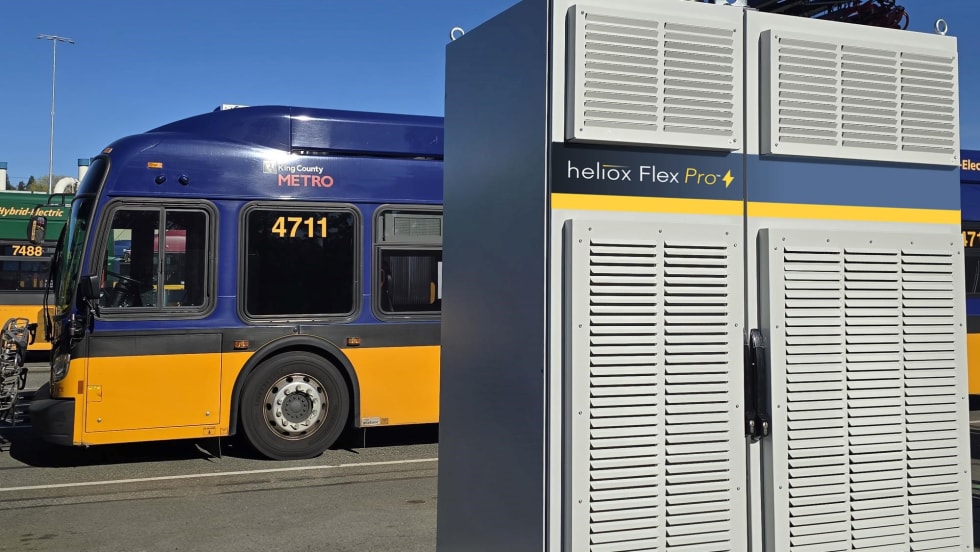
Heliox Pilots 480-kW Bus Charger with King County Metro
King County Metro is piloting Heliox’s new 480-kW Flex Pro charger to support expansion of its battery-electric bus fleet and depot charging infrastructure. The compact charging system supports pantograph and plug-in charging configurations for high-density transit operations.
Read More →