


 MENU
MENU SEARCHMENUSEARCH
Loading data...
From adding in-vehicle technologies to incentives in the shop, here are five ways fleets can improve driver, vehicle, and operational efficiency.
Read More →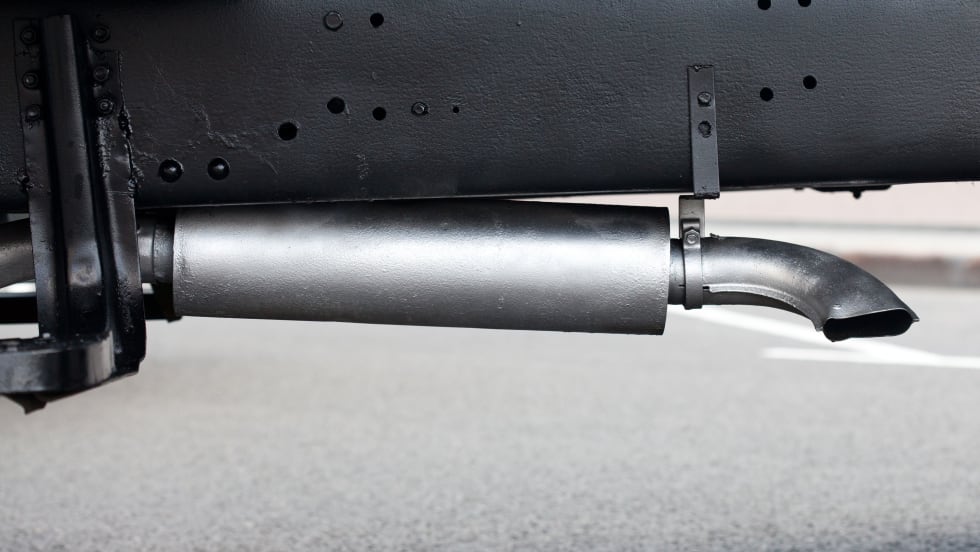
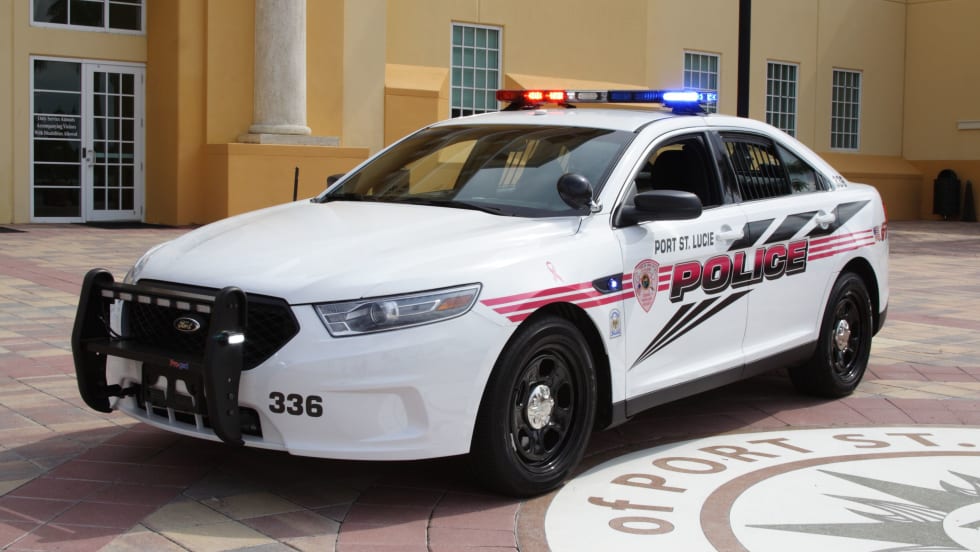
The Port St. Lucie (Fla.) Police Department has reduced idle fuel consumption by 12% and total spending on fuel by more than 11% by using Derive Efficiency's optimized engine calibration on a portion of their fleet.
Read More →
Kane County, Ill., is considering an idle-reduction plan that's expected to save 790 gallons of fuel a year and prevent 15,800 pounds of carbon-dioxide from entering the atmosphere.
Read More →

With increased competition and a growing number of carbon-reduction options, how can a fleet manager make the case that theirs is a cost-effective program, deserving of state or federal support?
Read More →A new study from the National Truck Equipment Association (NTEA) has found increasing interest among fleets in idle management and electrification technologies.
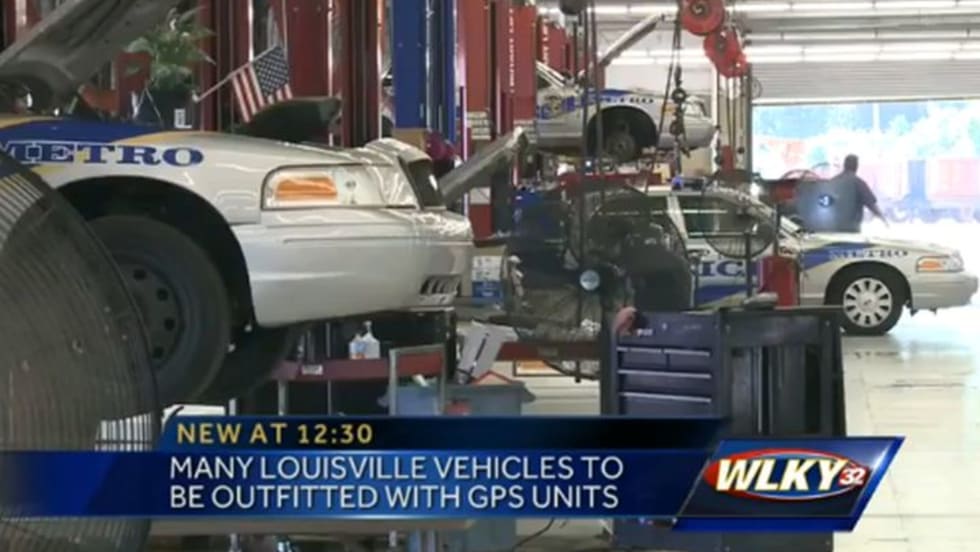
Read More →The City of Louisville, Ky., is installing GPS units in 481 cars and trucks to reduce idling time and improve maintenance by more quickly identifying vehicles that need service.
Read More →The City of Lakeland, Fla., has cut idle fuel costs by an average of 26% on its 80 police vehicles by using engine calibration software. The vehicles idle six to eight hours every day.
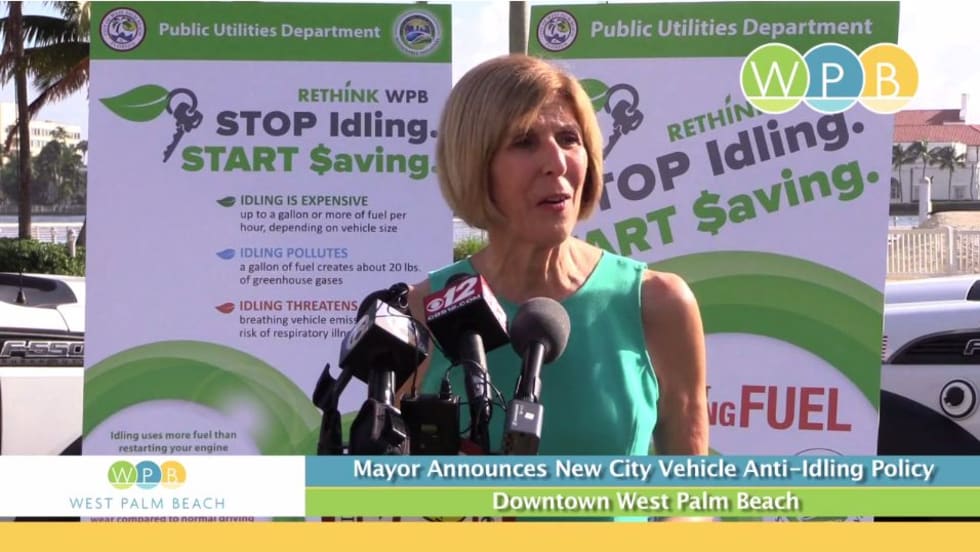
Read More →The City of West Palm Beach (Fla.) has a new policy banning idling of city utility vehicles for more than five minutes. The new rule takes effect immediately.
Read More →Four fleets share their experiences with anti-idling devices on patrol cars and trucks — and their plans for the future.
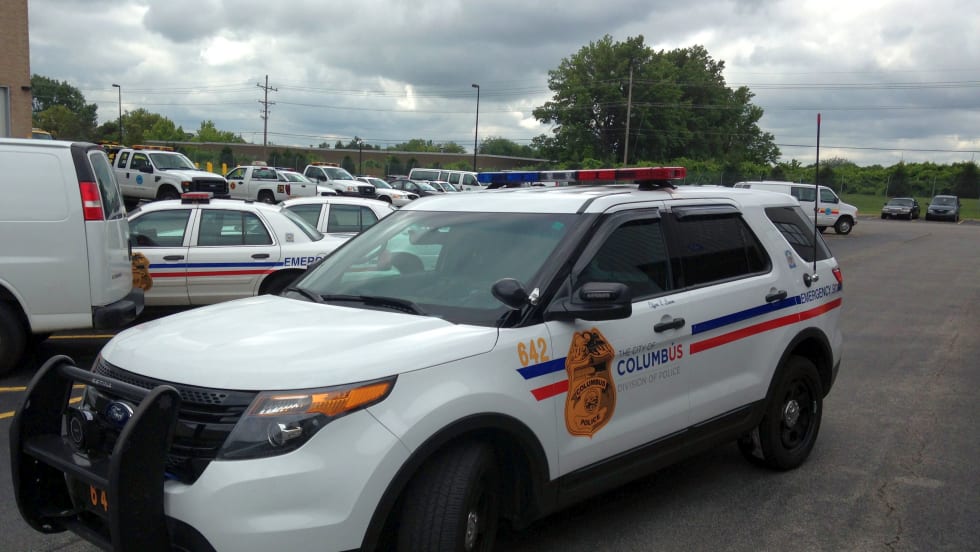
Read More →The City of Columbus, Ohio, will install anti-idling technology on 90 of its police vehicles to reduce fuel costs. Installation on all 339 units could save $1.2 million annually.
Read More →