


 MENU
MENU SEARCHMENUSEARCH
Loading data...

A Mercury Associates report found Clark County (Wash.) had 20 excess vehicles in its fleet, 15 of which are used in the Public Works Department.
Read More →
Faced with budget cuts, the State of New Mexico has cut 50 vehicles from its fleet and turned off all GPS units in its fleet vehicles
Read More →
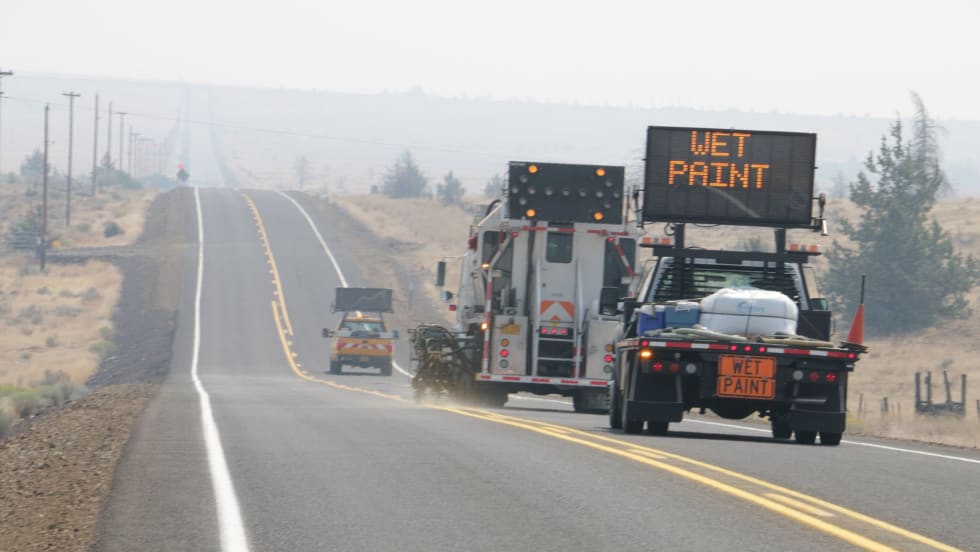
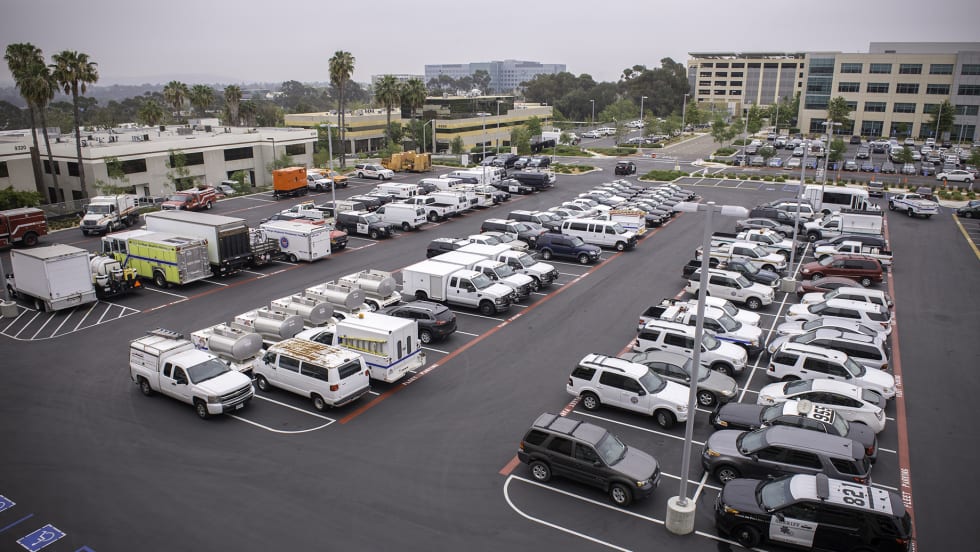
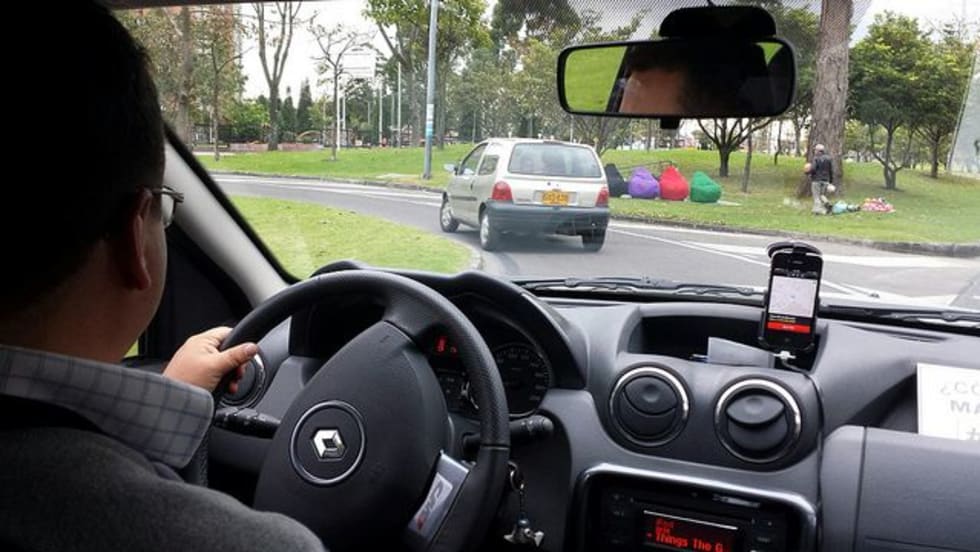
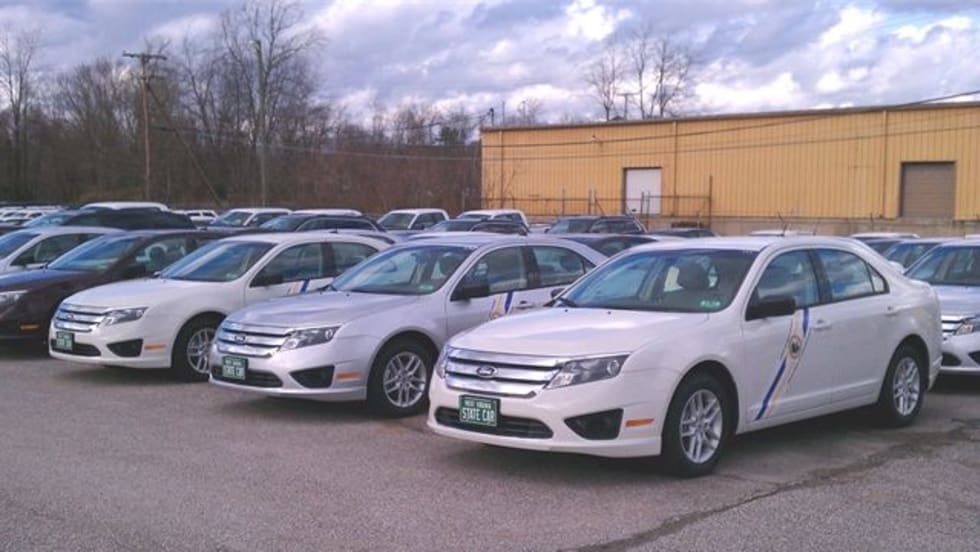
The City of New Britain, Conn., has reduced its fleet by 7.8% and its fuel costs by 26%, according to its annual fleet report. The fleet reduction is higher than Mayor Erin Stewart’s 5% fleet reduction goal.
Read More →In 2011, a mandated 20% fleet reduction seemed daunting. But more than five years later, the Commonwealth of Pennsylvania has not only accomplished its goal, it has saved millions — and without sacrificing service.
Read More →The State of Oregon plans to conduct an efficiency study to determine where fleet reductions can be made following a management assessment of the Oregon Department of Transportation.
Read More →The West Virginia Division of Natural Resources has announced a 14% reduction of its fleet. Cost savings is expected at nearly $500,000 along with $150,000 annual savings in fuel, maintenance, and insurance costs.
Read More →A state audit of the Metropolitan Sewer District of Greater Cincinnati (MSDGC) resulted in a fleet reduction of 23 vehicles and creation of a motor pool.
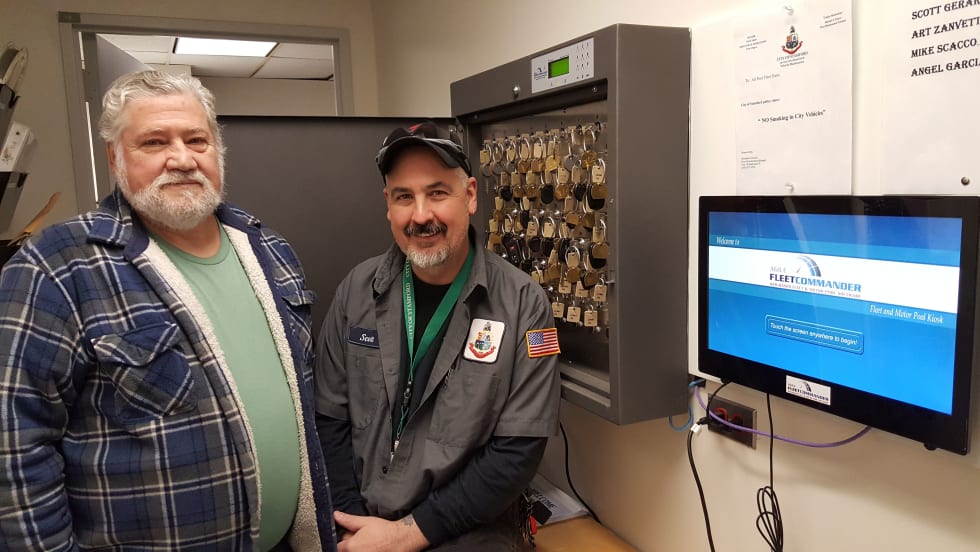
Read More →The City of Stamford, Conn., has reduced its motor pool fleet from 60 to 29 vehicles by automating motor pool management and having better control of utilization.
Read More →An Arizona congressman is proposing the state reduce its fleet by 20% and launch a pilot program where employees would use ride-hailing or rental car services for transportation.
Read More →A utilization audit of the State of West Virginia fleet found that it has the highest minimum mile requirement of the 10 states reviewed. The state’s minimum utilization is set at 1,100 miles per month.
Read More →