


 MENU
MENU SEARCHMENUSEARCH
Loading data...
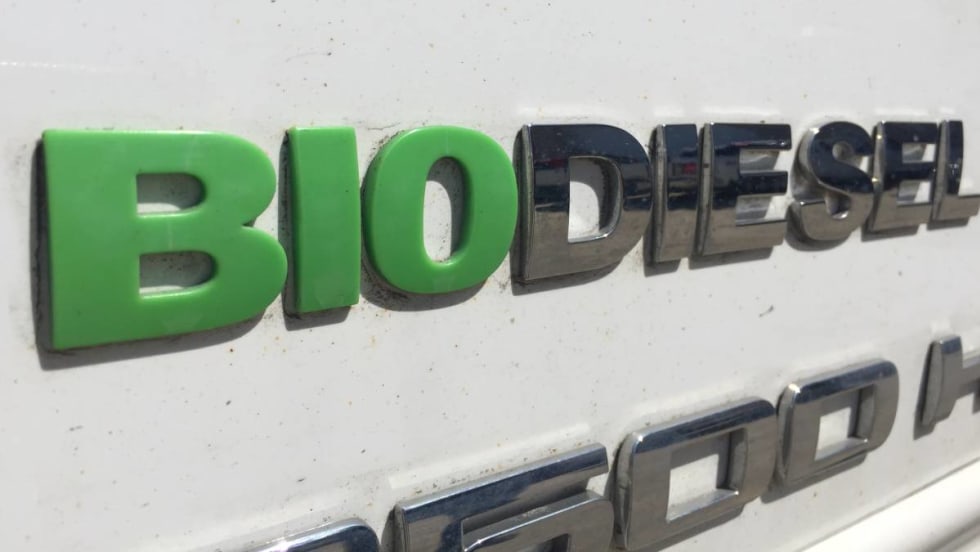
The City of Kalamazoo, Michigan, will analyze fuel performance across all temperatures, operating conditions, and engine/vehicle and equipment configurations from June 2021 through June 2022.
Read More →
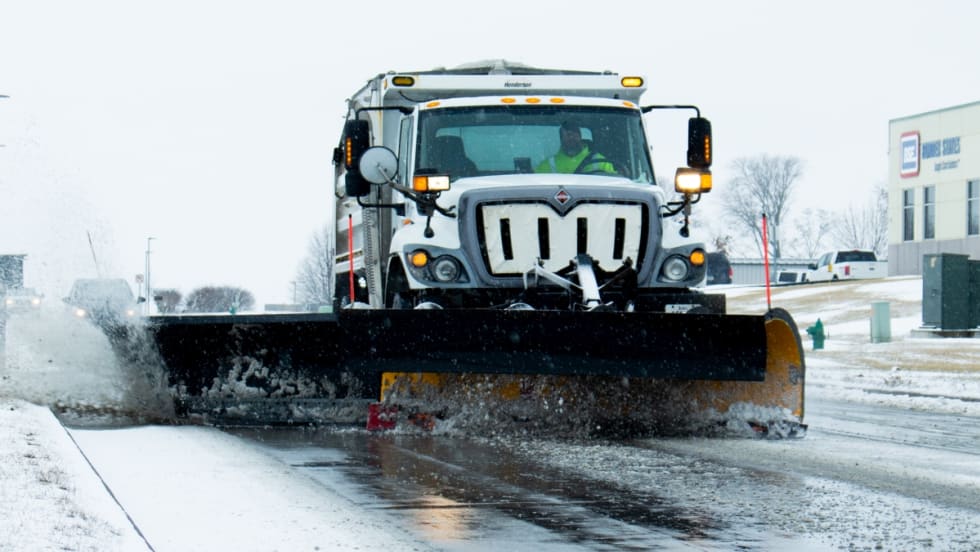
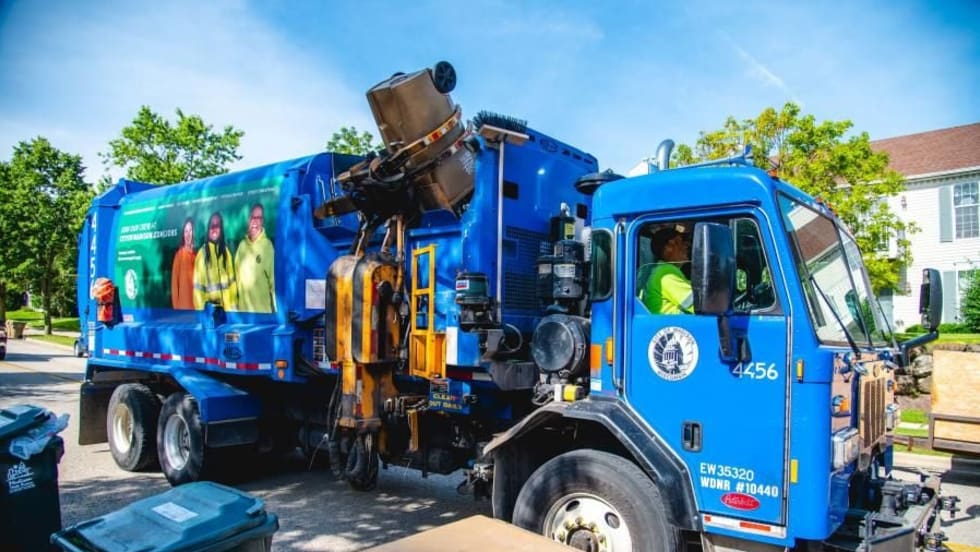
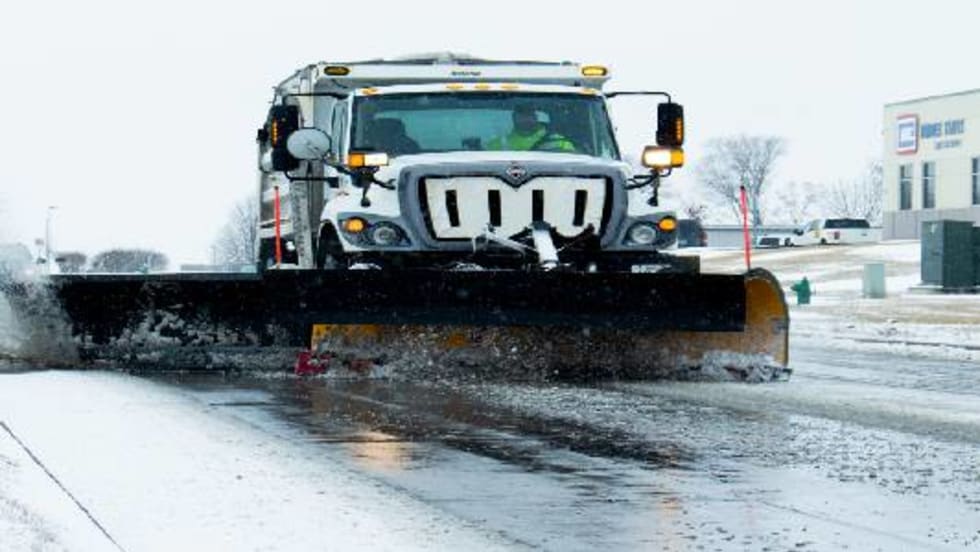
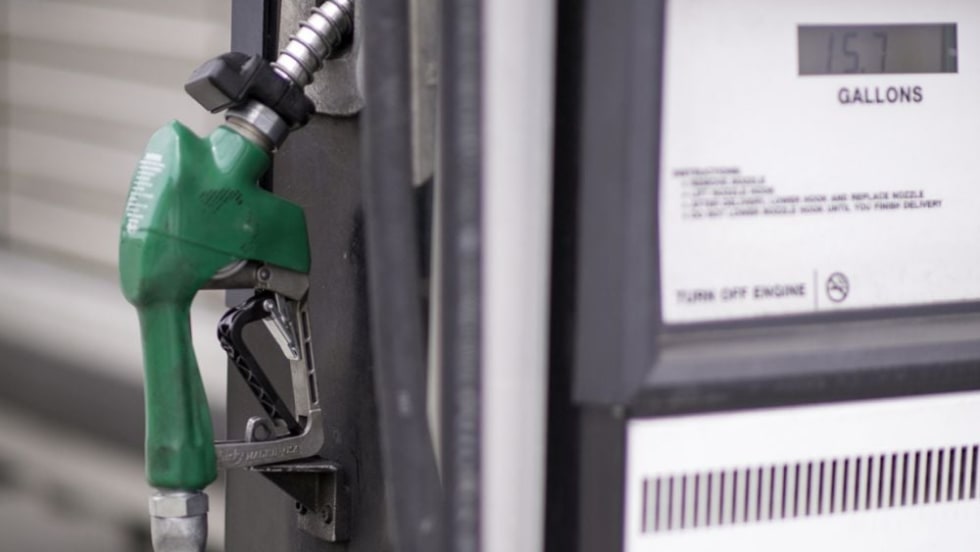
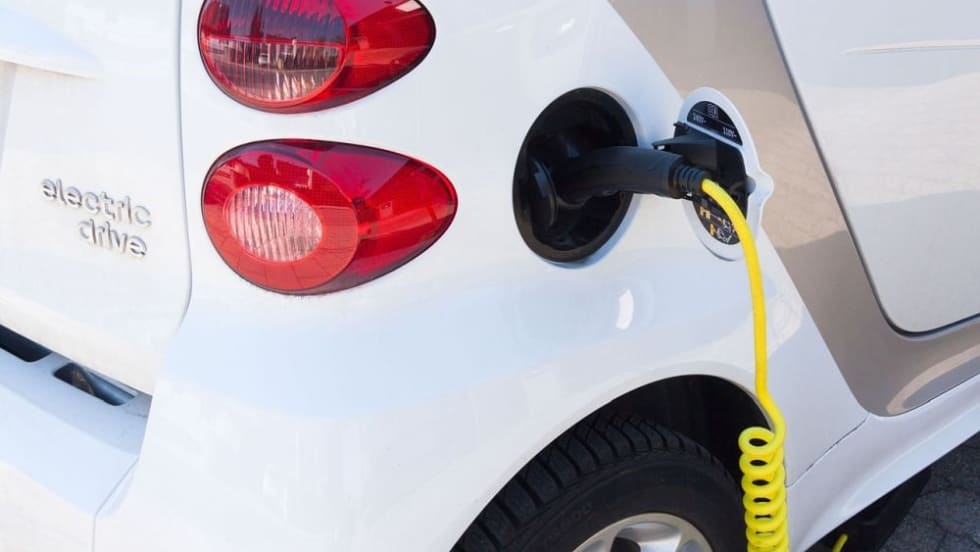
Madison, Wisconsin, Fleet Superintendent Mahanth Joishy said the city's desire to lower carbon emissions is a driving force behind the use of biodiesel fuel.
Read More →The City of Ames, Iowa, and the Washington D.C. Department of Public Works have both used B-100 in their fleets, expanding use of the fuel after successful pilots.
Read More →The City of Madison, Wisconsin, fleet also relies on hybrid-electric vehicles, electric vehicles, solar charging, anti-idling technology, and soy tires.
Read More →The City of Ames municipal fleet added seven additional heavy-duty trucks running on 100% biodiesel.
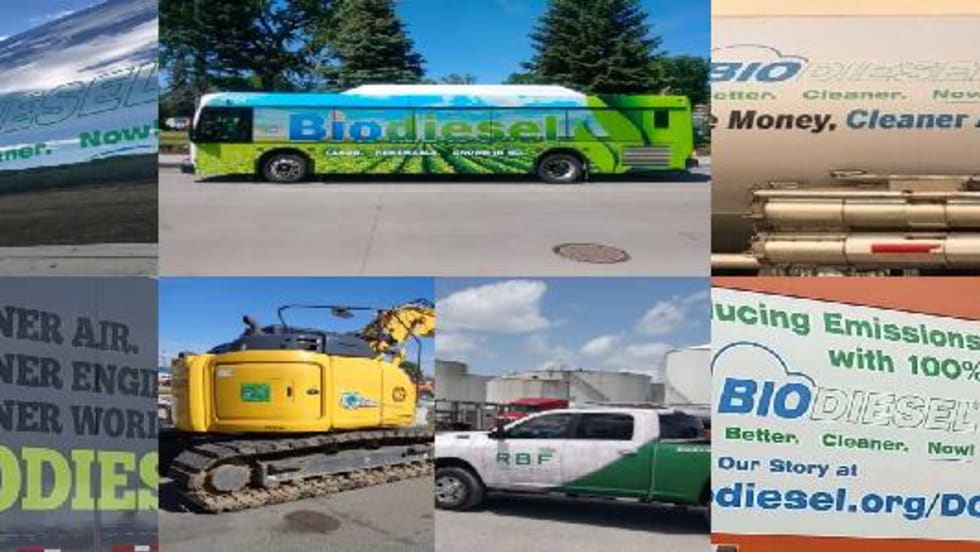
Read More →Eight biodiesel users from across the country received matching funds from the National Biodiesel Board to share their success stories with wraps, decals, or other vehicle branding efforts.
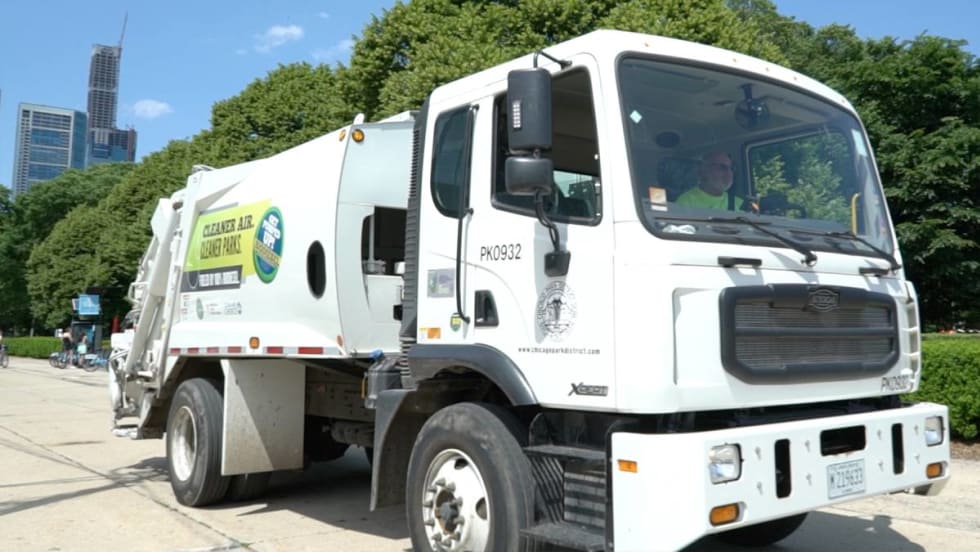
Read More →The pilot B100 program cuts carbon emissions from refuse vehicles by 84%.
Read More →The U.S. Department of Agriculture ordered its agencies to consume more ethanol and biodiesel and is offering $100 million in grant funding for fueling infrastructure.
Read More →Iowa Governor Kim Reynolds has signed an executive order requiring that all new contracts for the purchase of state vehicles with diesel engines must have written support from the manufacturer to use B-20 biodiesel or more.
Read More →The City of Seattle released its updated Green Fleet Action Plan, detailing the steps it needs to take to reduce greenhouse gas emissions by 50% by 2025 and use only fossil-free-fuel by 2030.
Read More →