





Learn More: Biodiesel Refuse Haulers Improving Chicago Park Air Quality
City of Ames Grows Sustainable Fleet with Biodiesel Vehicles
The City of Ames municipal fleet added seven additional heavy-duty trucks running on 100% biodiesel.
December 9, 2020

3 min to read

City drivers tested the Vector System in five city snowplows in below-zero temperatures during a big snowstorm.
Photo: City of Ames
The City of Ames is adding seven new all-purpose dump trucks to their fleet that have the Optimus Technologies advanced fuel system integrated into their new vehicle specification. The Optimus system enables the engines to operate year-round on 100% biodiesel (B100) produced by Renewable Energy Group (REG).
This announcement comes after a successful pilot was conducted with five city-owned trucks throughout 2020, meaning soon the city will have 12 total trucks running on B100. The City of Ames is eager to get more trucks on the road that reduce carbon emissions and provide cleaner air for its residents.
Biodiesel is a cleaner alternative to petroleum diesel and is a readily available, sustainable solution for fleets. Suitable for use in any diesel engine, biodiesel can be adopted starting at blends of 20%, or B20, all the way up to 100% (B100). Biodiesel is considered an advanced biofuel by the EPA because it reduces greenhouse gas emissions (GHG) by more than 50%. REG biodiesel reduces GHGs by up to 86% compared to diesel fuel.
At the direction of the Ames City Council, the City of Ames is looking at carbon reduction and long-term sustainability for all its fleet purchases. The pilot project using Optimus’ Vector System, combined with REG’s B100 biodiesel, provided an opportunity to pursue a public-private partnership with widespread benefits through lower emissions.
“We undertook the B100 project because we wanted to be responsible stewards to our planet, to the environment,” Mayor John Haila says. “It’s a tremendous opportunity to make a big impact.”
Like petroleum diesel, biodiesel has the potential to gel in extremely cold temperatures. The Vector System is designed to enable trouble free use of biodiesel in all engines regardless of operating conditions. Even in the sub-zero operations the snowplows were subjected to while battling the harsh Iowa winter, the Vector System ensured the vehicles performed flawlessly on biodiesel. One key feature of the Vector System is it never inhibits the use of conventional diesel fuel; the system always starts and shuts down the engine on conventional diesel, operating on biodiesel only after the engine and fuel system achieve optimal operating conditions.
“Our drivers tested the Vector System in five city snowplows in below-zero temperatures during a big snowstorm,” said Rich Iverson, fleet support manager for the City of Ames. “In one weekend, we used 1,000 gallons of B100 biodiesel, and our drivers reported no issues in the trucks’ operations. Optimus’ Vector System certainly proved its abilities to perform at high standards.”
Although electrification options are beginning to emerge for light- and medium-duty applications, B100 biodiesel is an excellent and even lower-carbon alternative (on today’s electric grid), and is particularly well suited for heavy-duty fleets like the City of Ames that are committed to reducing their carbon output without sacrificing the performance of their fleet vehicles. When upgrading with Optimus’ technology, fleets are able to achieve significant environmental and performance benefits from their existing vehicles and infrastructure.
“It has been fantastic working with the City of Ames and their leadership,” said Colin Huwyler, CEO of Optimus Technologies. “They have set tangible sustainability objectives and, by integrating the Vector System into their new vehicle equipment specifications, have demonstrated the decisive actions they are taking to reduce carbon emissions. After conducting a successful pilot on their snowplows, the City of Ames has validated that the Optimus technology provides a carbon reduction pathway for even the most severe-duty vehicles.”
The city’s five trucks already equipped with the Vector System will burn about 10% of the city’s total annual diesel consumption. By operating these five trucks with the Vector System, the City of Ames will reduce its carbon intensity by 110 metric tons of CO2 from the atmosphere by the end of the year. With seven new Vector equipped trucks on order, REG and Optimus Technologies project this program will save well over 200 metric tons of carbon emissions in 2021.
More Green Fleet

Sustainability Partners, Energy Systems Group Help Albuquerque Close the Gap on its 100% Renewable Energy Goal
The eight-site, 6 MW solar project has advanced the city toward 100% renewable energy for municipal operations.
Read More →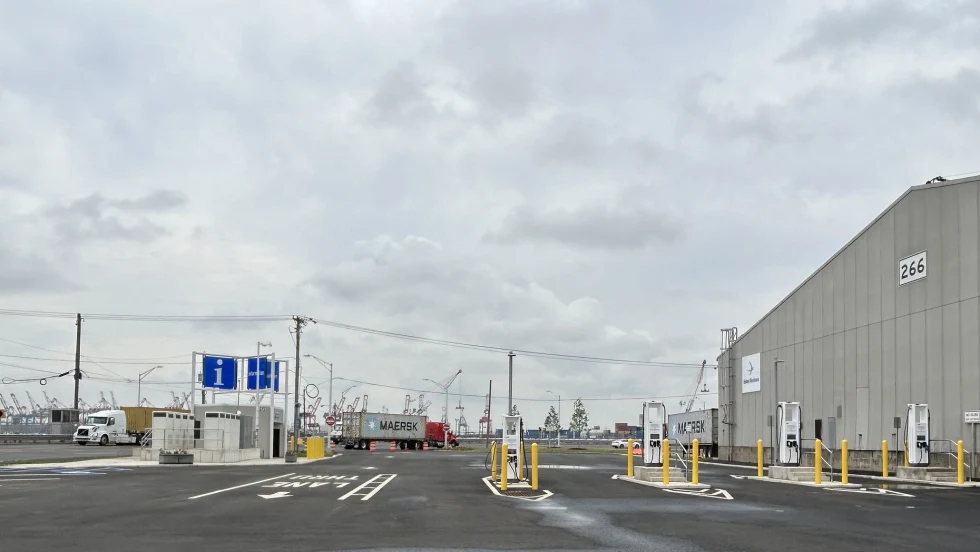
Port Authority and CALSTART Launch $45 Million Electric Truck and Charging Programs
The programs aim to boost sustainable operations across the East Coast's busiest seaport.
Read More →
Moving Government Fleets Beyond the Vehicle Purchase: EV as a Service
A discussion on how EVaaS is moving beyond pilot programs and what fleets should consider before beginning a larger deployment.
Read More →
Moving Government Fleets Beyond the Vehicle Purchase: EV as a Service
As fleets move beyond small EV pilots, Sustainability Partners CEO Adam Cain explains how EVaaS can address the infrastructure and long-term planning required for larger deployments.
Read More →
Peterbilt Expands Sourcewell Partnership with Electric Vehicle Lineup
The agreement aims to provide streamlined procurement of Peterbilt trucks for government, education, nonprofit and tribal organizations across the United States and Canada.
Read More →

EV Adoption & Charging Challenges
Where is your fleet in the journey of vehicle electrification? If you're still looking for answers to fleet electrification you've come to the right place.
Read More →
Hawaii Passes Clean Fuel Policy
Hawaii lawmakers passed clean fuel legislation that could support renewable natural gas production, biogas-powered transportation, and lower-carbon fueling options for public and commercial fleets.
Read More →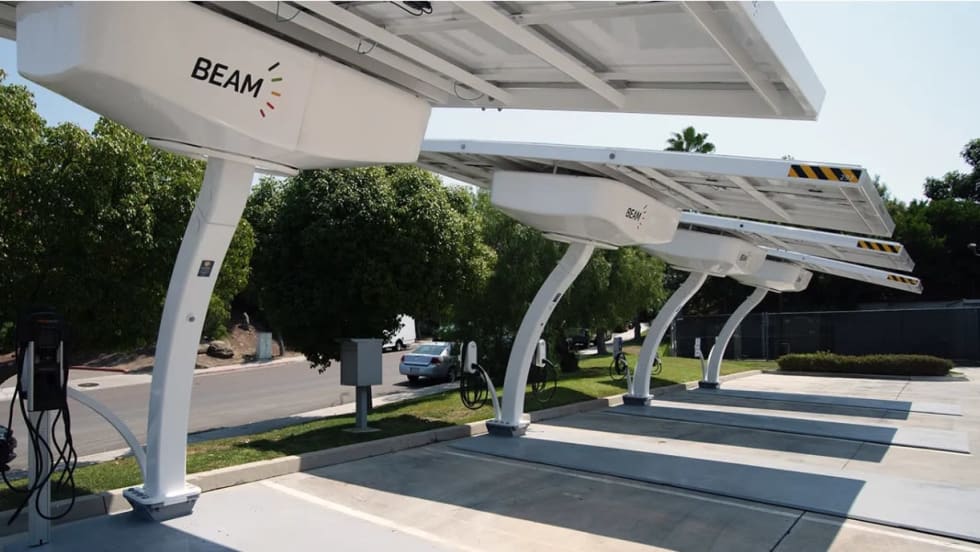
Stanislaus County Deploys Ten Beam Global EV ARC Systems to Support County Fleet Electrification
Stanislaus County deployed 10 off-grid solar-powered EV charging systems and a mobile charging trailer from Beam Global to support its electric fleet operations and emergency response flexibility.
Read More →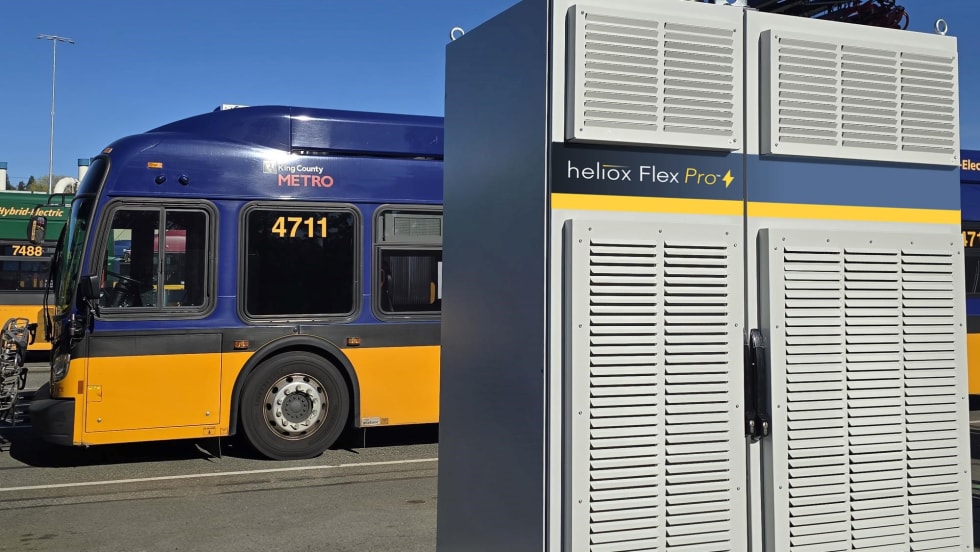
Heliox Pilots 480-kW Bus Charger with King County Metro
King County Metro is piloting Heliox’s new 480-kW Flex Pro charger to support expansion of its battery-electric bus fleet and depot charging infrastructure. The compact charging system supports pantograph and plug-in charging configurations for high-density transit operations.
Read More →