




Seattle Details How It Will Reduce GHG Emissions by 50%
The City of Seattle released its updated Green Fleet Action Plan, detailing the steps it needs to take to reduce greenhouse gas emissions by 50% by 2025 and use only fossil-free-fuel by 2030.

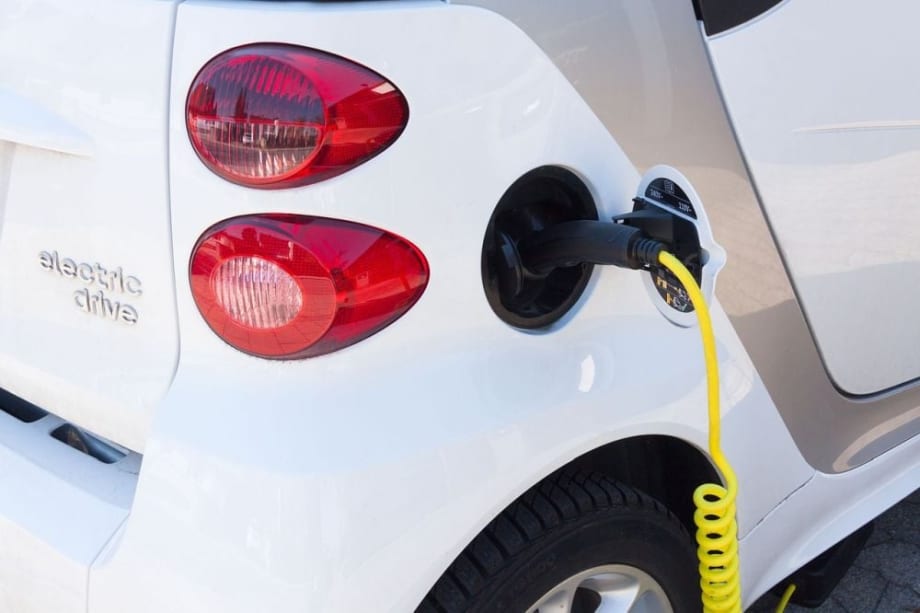
Photo courtesy of Pixabay
The City of Seattle recently released its updated 2019 Green Fleet Action Plan, detailing the steps it needs to take to reduce greenhouse gas emissions by 50% by 2025 (from 2013 baseline) and use only fossil-free-fuel by 2030. The estimated cost to implement all the action items is $28 million over seven years, and $4.7 million is currently funded by then 2019 adopted budget. The cost estimate is expected to fluctuate as technologies advance.
The report highlights the three guiding principles for achieving fleet greening goals: reducing fuel use, rapidly electrifying the fleet, and using fossil-free-fuels. Each principle comes with challenges, such as the need for departments to redefine how they delivery services, OEMs getting new vehicles to market, and use of preferred feedstocks in fuel production.
Despite these challenges, the report noted that “the city is in a great position to move the needle on fleet GHG emission reductions and become fossil-fuel free.”
The report identified five strategies to achieve its goals:
Coordinate procurement with user departments. The city has created a calculator to rank vehicles by using total cost of ownership and greenhouse gas formulas. The procurement hierarchy is: battery-electric, plug-in hybrid, hybrid, and fossil-fuel-free vehicles such as those that run on renewable diesel (R-99) or biodiesel (B-99). Fleet Management will conduct demo and pilot programs before any fleetwide vehicle purchases.
Implement a fuel reduction policy. The city will aim to reduce its fleet size by enforcing its 200-mile-per-month minimum and encourage departments to consider changes to its operations to reduce vehicle miles traveled. A telematics system is being piloted and will be procured by mid-2020. In addition, new fossil fuel infrastructure construction is prohibited except for select Police and Fire Department projects.
Plan for electric vehicle (EV) charging infrastructure. The city must have infrastructure in place before vehicles are purchased, and Fleet Management will also work on contingency generators for charging sites and incorporate EV charging needs in the emergency fuel contingency plan.
Upgrade emergency management vehicles. The city will purchase emergency management vehicles with new green options as the market and technology changes and continue to install hybrid systems and green technology in emergency vehicles.
Develop public-private partnerships. These partnerships with clean air groups, a fleet association, and the state are designed to advance the installation of publicly accessible charging networks and to promote the use of alternative-fuel vehicles. The city also plans to form partnerships in historically underserved communities to create job opportunities.
The full report can be found here.
More Green Fleet
Sustainability Partners, Energy Systems Group Help Albuquerque Close the Gap on its 100% Renewable Energy Goal
The eight-site, 6 MW solar project has advanced the city toward 100% renewable energy for municipal operations.
Read More →
Port Authority and CALSTART Launch $45 Million Electric Truck and Charging Programs
The programs aim to boost sustainable operations across the East Coast's busiest seaport.
Read More →
Moving Government Fleets Beyond the Vehicle Purchase: EV as a Service
A discussion on how EVaaS is moving beyond pilot programs and what fleets should consider before beginning a larger deployment.
Read More →
Moving Government Fleets Beyond the Vehicle Purchase: EV as a Service
As fleets move beyond small EV pilots, Sustainability Partners CEO Adam Cain explains how EVaaS can address the infrastructure and long-term planning required for larger deployments.
Read More →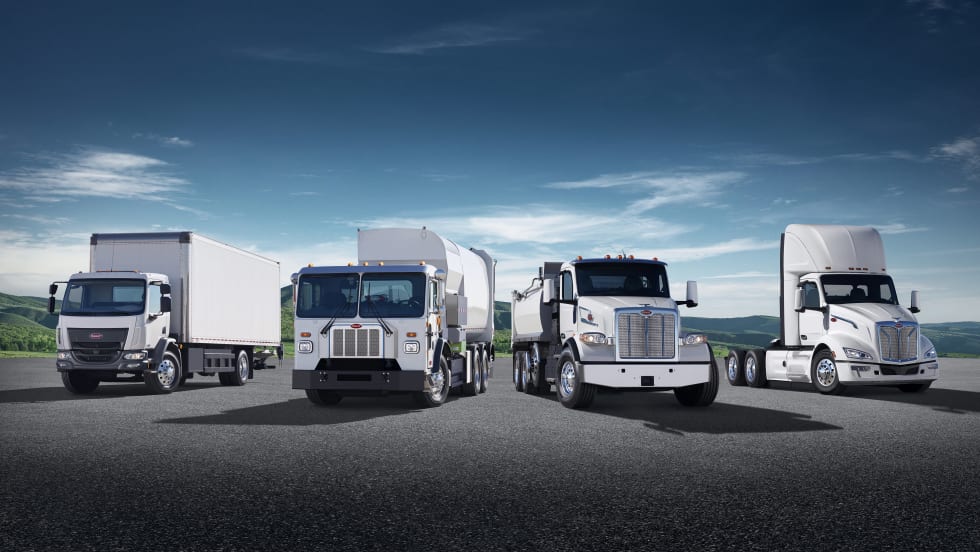
Peterbilt Expands Sourcewell Partnership with Electric Vehicle Lineup
The agreement aims to provide streamlined procurement of Peterbilt trucks for government, education, nonprofit and tribal organizations across the United States and Canada.
Read More →
EV Adoption & Charging Challenges
Where is your fleet in the journey of vehicle electrification? If you're still looking for answers to fleet electrification you've come to the right place.
Read More →
Hawaii Passes Clean Fuel Policy
Hawaii lawmakers passed clean fuel legislation that could support renewable natural gas production, biogas-powered transportation, and lower-carbon fueling options for public and commercial fleets.
Read More →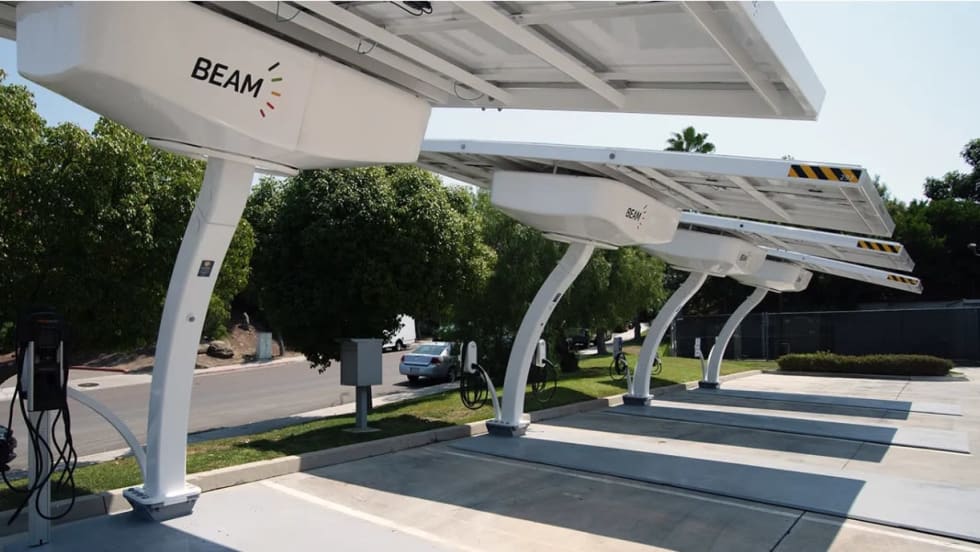
Stanislaus County Deploys Ten Beam Global EV ARC Systems to Support County Fleet Electrification
Stanislaus County deployed 10 off-grid solar-powered EV charging systems and a mobile charging trailer from Beam Global to support its electric fleet operations and emergency response flexibility.
Read More →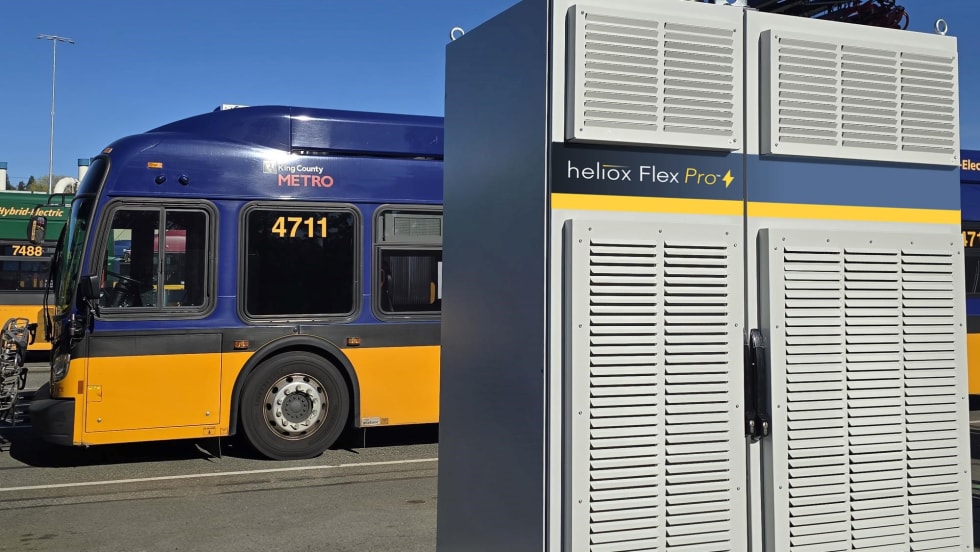
Heliox Pilots 480-kW Bus Charger with King County Metro
King County Metro is piloting Heliox’s new 480-kW Flex Pro charger to support expansion of its battery-electric bus fleet and depot charging infrastructure. The compact charging system supports pantograph and plug-in charging configurations for high-density transit operations.
Read More →