


 MENU
MENU SEARCHMENUSEARCH
Loading data...

Every fleet operation has a team that works in its own unique way. What matters is that each person understands how their role fits into the bigger workflow, and how the team functions as one.
Read More →
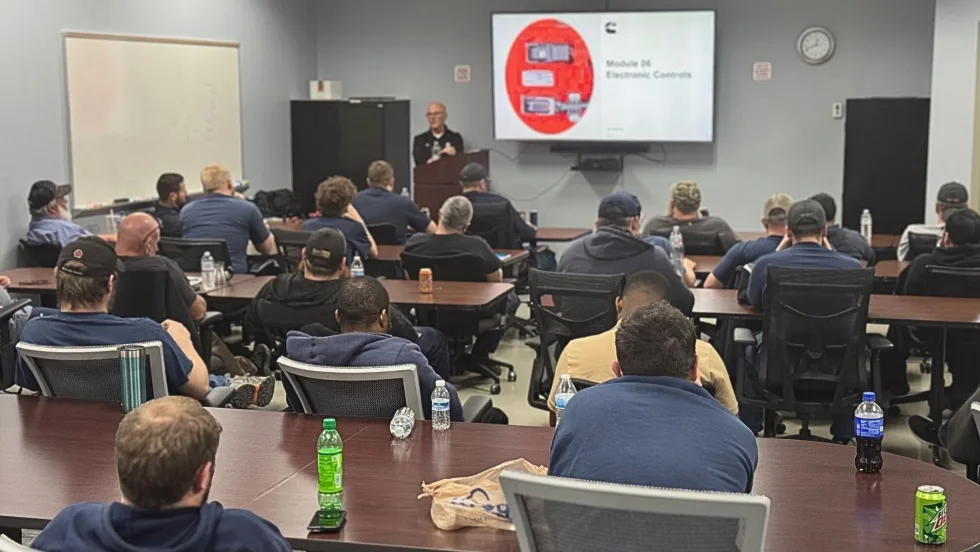
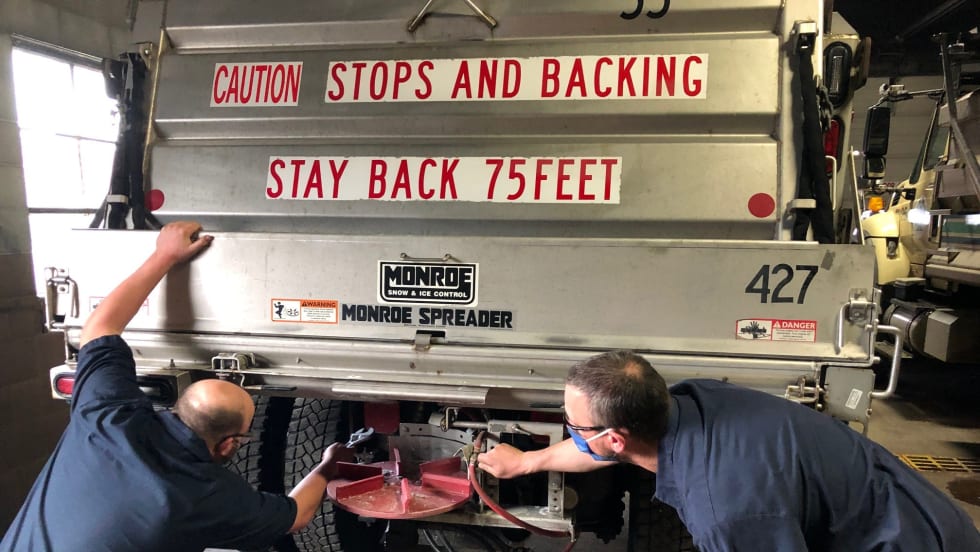
As vehicles and equipment grow increasingly high-tech, the skilled technician shortage in public sector fleets promises to worsen. Operational changes can help recruitment and retention.
Read More →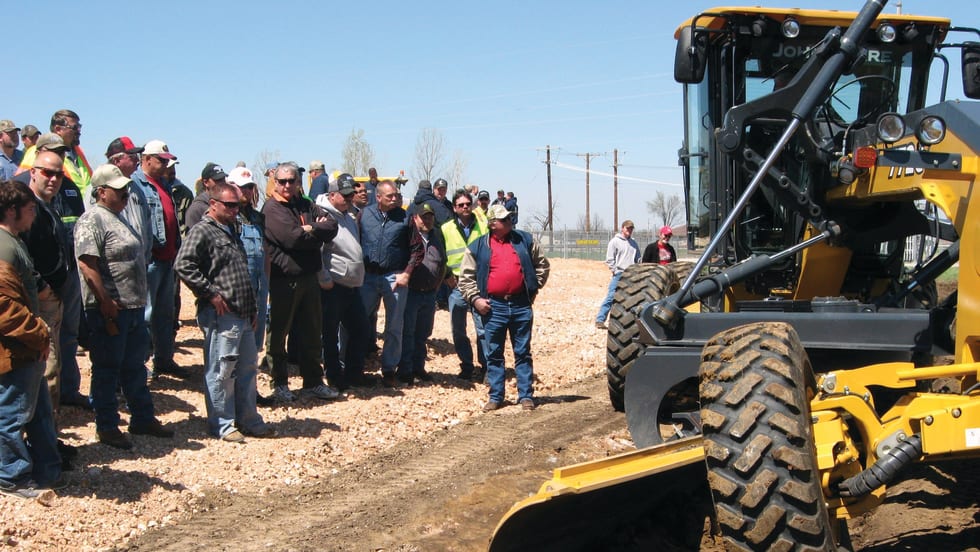


A well-defined staff development plan can boost employee productivity and allows fleet managers to plan for retirements of seasoned employees and even to train their own replacements.
Read More →In response to a growing demand for hands-on experience, training programs have become crucial in developing skilled technicians.
Read More →Ensuring your technicians can fill in for anyone at any time will improve your operation and provide them with the hands-on experience they might not have gotten otherwise.
Read More →Fleets profit from training by using technology to increase productivity and efficiency, which in turn, lower costs. Training employees to use new technology effectively is as important as the investment in the technology itself.
Read More →Facing an aging fleet with little to no funds for vehicle replacement, the City of Columbus, Ohio, decreased fleet expenses by finding savings in parts and supplier services.
Read More →With the current rate of technological change, training and developing a network of skilled off-road equipment technicians and operators are no small tasks. Universities, technical schools, and industry manufacturers are teaming up to train the equipment experts of tomorrow.
Read More →The City of Fort Collins, Colo., was named the No. 1 Overall Fleet. Tracy Ochsner explains how the fleet operation got there.
Read More →While the basics are as fundamental of the tools they use, technicians need to continuously train to keep ahead of the technological curve, at work, at home and anywhere they can connect.
Read More →