




Worcester Adopts Plan to Reduce Local Greenhouse Emissions
WORCESTER, MA – City Manager Michael O'Brien has submitted to the City Council a comprehensive plan for reducing local greenhouse emissions and identifying alternative energy sources.
WORCESTER, MA – City Manager Michael O’Brien has submitted to the City Council a comprehensive plan for reducing local greenhouse emissions and identifying alternative energy sources, according to the Worcester Telegram & Gazette. The plan, prepared by the 14-member Energy Task Force appointed by the city manager last year, also outlines short- and long-term strategies for achieving a goal set by the council in 2005: using renewable energy sources to meet 20 percent of municipal electricity needs by 2010.
O’Brien said the 250-page Climate Action Plan represents a milestone in the city’s local response to global issues associated with climate change, oil and energy costs, energy security, and air quality. One of the major recommendations of the plan is the hiring of a part-time energy manager, who would be responsible for implementing the Climate Action Plan and educating the community on the available programs and efforts they can participate in to reduce greenhouse gas emissions and to promote the use of clean energy.
According to Assistant City Manager Julie Jacobson, the city administration would like to hire an energy manager as soon as possible. The position would initially be part-time, funded with non-tax levy money the city receives through energy conservation and renewable energy programs.
The city receives quarterly funding from the Massachusetts Technology Collaborative based on the number of electric customers who choose to utilize renewable energy through Green Up/Clean Energy Choice on their electric bills, according to the Worcester Telegram & Gazette.
Among some of the many proposals included in the Climate Action Plan are:
Enabling five-minute shut-off in municipal trucks. Medium- to heavy-duty trucks in the city’s fleet have the ability to be programmed to turn off after a period of idling. A diesel vehicle idling for one hour each day wastes 500 gallons of fuel.
Establishing a biodiesel pilot program for vehicles and power equipment at Hope Cemetery. Biodiesel is made from vegetable oil.
Increasing the fuel efficiency of the city’s vehicle fleet by purchasing vehicles with higher miles-per-gallon ratings.
Encouraging carpooling for municipal employees.
In 2005, Worcester became the first city in the state to set a goal of using renewable energy sources to meet 20 percent of its municipal electricity needs by 2010. The council unanimously adopted the “20 Percent by 2010 Clean Energy Resolution,” which calls for greater use of electricity generated from clean sources of power, such as wind, water, and the sun, instead of electricity generated from coal, oil, natural gas, and nuclear power.
Last February, O’Brien appointed the Energy Task Force, made up of leaders from local businesses, environmental organizations, municipal government, and utility companies. Carissa Williams, consultant to the Regional Environmental Council, was also hired as the coordinator of the Energy Task Force; she drafted the Climate Action Plan based on the decisions and direction of the task force.
More Operations

Hazard Alerts, Fleet Car Sales Rise and a New Shuttle Concept
Fleet car sales doubled, but the bigger picture tells a different story in this week’s roundup.
Read More →
How St. Johns County Turned Fleet Data Into Better Replacement Decisions
St. Johns County, Florida, had fleet data, but turning it into reliable decision guidance was another matter. Instead of starting over with a new fleet management system, the county connected existing tools and built a scoring system that gives managers an objective look at fleet health.
Read More →
Fleet Forward Conference Introduces One-Day Passes for 2026
New one-day registration lets fleet professionals attend Tuesday, Wednesday, or Thursday, with passes available for $249.
Read More →
ENC Unveils its ZAVIR Medium-Duty Shuttle
Two variants of the concept shuttles were revealed: a low-floor configuration and a high-floor configuration.
Read More →
Could Your Next Fleet Technician Start as an Intern?
What if your next technician hasn’t worked in a fleet shop yet? What fleets are doing to free up time.
Read More →
How Phoenix Is Building Its Next Generation of Fleet Technicians
With more than 8,000 vehicles and pieces of equipment to maintain, the City of Phoenix could not afford to wait for fully trained technicians to walk through the door. Instead, they revamped their entire workforce strategy and showed how public fleets can create their own talent pipeline while preparing existing employees for increasingly complex vehicles.
Read More →
What’s Slowing Your Fleet Down?
Could a change in how work gets done help your fleet return vehicles to service sooner?
Read More →
Can Public Fleets Trust the Data Driving Their Decisions?
Public fleets have more data than ever, but inconsistent records and missing information can still undermine maintenance, replacement, and cost decisions.
Read More →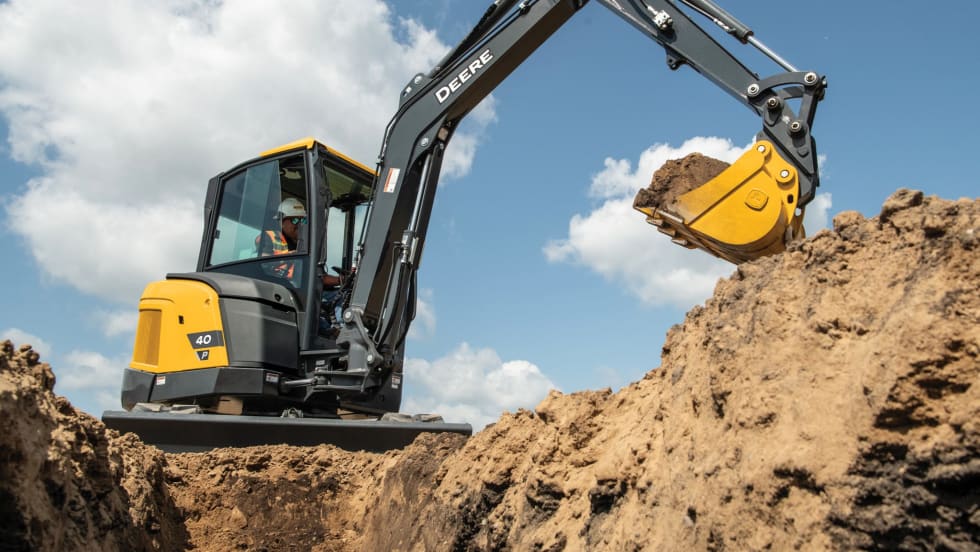
John Deere Introduces 40 P-Tier Compact Excavator
John Deere is adding a compact excavator designed for crews that need to move equipment between jobsites and handle multiple types of work with one machine. The 40 P-Tier weighs less than 10,000 pounds and offers configurable hydraulics, attachment options, and connected fleet-management capabilities.
Read More →
How Leading Fleets Improve and Why Business Plans Matter
This week, we look at what past Leading Fleet winners can teach us about making progress, plus how to build a business plan your fleet will actually use.
Read More →