





Related: Sharing Services, Cutting Costs
Wisconsin Cities Can Save Money by Sharing Services
Municipalities in Jefferson County, Wis., could save money by sharing equipment, including Public Works vehicles and fire trucks, according to a research group.
February 24, 2020
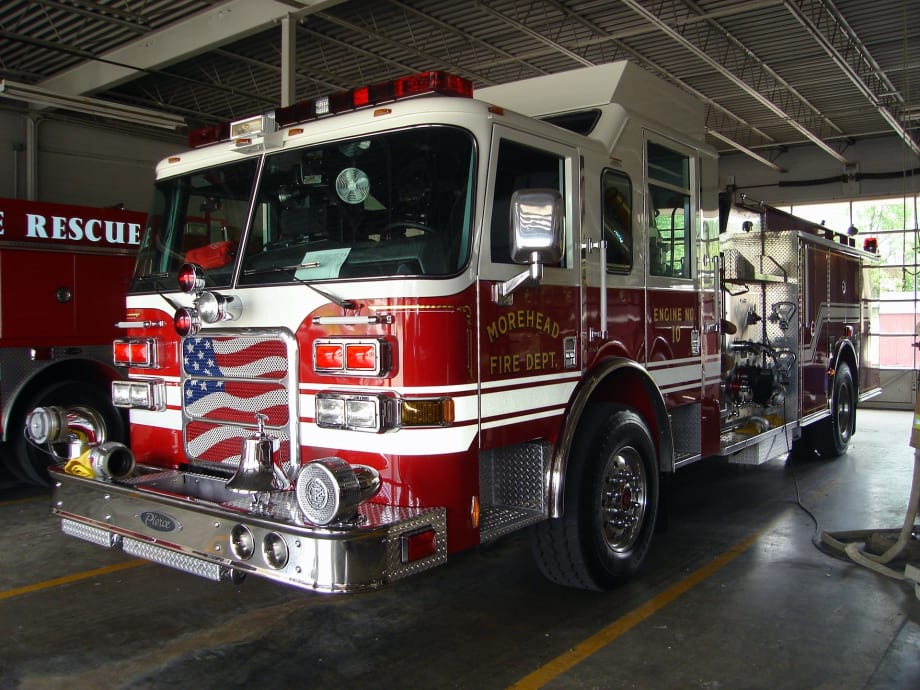
Photo via Pixabay
2 min to read
Municipalities in Jefferson County, Wis., could save money by sharing services, according to a report released by the Wisconsin Policy Forum, a nonpartisan public policy research group. The report highlighted that sharing or consolidating fire services could reduce fleet needs, while sharing Public Works services could reduce the need for specialized equipment and result in more efficient fleet management.
Jefferson County commissioned the report from the Forum to help address service delivery challenges resulting from budget constraints and human resources limitations. At the same time, new technologies, aging populations, and economic growth are driving increased demand for local services. The report focuses on the county’s seven largest municipalities.
“Fire engines, ladder trucks, and other emergency vehicles require costly capital investment, and consolidation or service sharing could offer the opportunity to strategically deploy vehicles in a manner that would reduce the overall fleet and eliminate certain replacement costs,” the report stated.
As for Public Works, the reported noted that equipment and vehicle costs are high, and cities and the county often operate similarly and have similar fleet needs.
“As is sometimes the case with neighboring fire departments, it is possible that there is equipment duplication amongst the communities, with some possibly spending resources on seldom-used equipment that may be available for use from a neighboring community,” the report stated.
The review showed potential for these cities to enhance public works services through greater sharing and collaboration but does not support the notion of fully consolidating one or more public works departments. Rather, the report recommends joint purchasing, sharing specialized equipment, or more efficient fleet management practices such as storage of backup equipment at the county-level in the event of a mechanical breakdown. Vehicles that can be shared include brine makers, leaf suckers, street sweepers if they can be transported, cherry pickers, pavement markers, sewer cameras and televising trucks, excavators, easement machines, and chip spreaders. Equipment such as snowplows, which need to be used in multiple jurisdictions at the same time, should not be shared.
The county could also participate by allowing municipalities to borrow large construction equipment, the report stated.
More Operations

Is Keeping Older Fleet Vehicles Really Saving Money?
Is keeping vehicles longer saving money, and what happens when a diagnostic test points to the wrong fix?
Read More →
How Smart Fleet Strategy Can Help Local Government Agencies Do More with Less
Keeping a vehicle longer may ease this year’s budget, but what does it cost the next one? A closer look at fleet decisions can reveal opportunities to reduce spending while protecting essential services.
Read More →
Connect with Government Fleet on LinkedIn
From industry news and fleet management strategies to conversations with peers, Government Fleet's LinkedIn page offers public-sector fleet professionals another way to stay informed and connected.
Read More →
Town of Queen Creek Named Most Successful Fleet Award Winner of Inaugural RTA Fleet Success Awards
Five fleets were honored at RTA Connect 2026 in Chicago for excellence across resource efficiency, intentional culture, risk management, and stakeholder satisfaction.
Read More →
Sponsored•October 14, 2026
A buyer's guide to fleet management software in 2027
Buying fleet management software in 2027 means looking beyond features and price. As fleet operations, technology and expectations evolve, this guide explores what today’s fleet professionals should consider when choosing a system that can deliver value now and adapt to what comes next.
Read More →
Hazard Alerts, Fleet Car Sales Rise and a New Shuttle Concept
Fleet car sales doubled, but the bigger picture tells a different story in this week’s roundup.
Read More →
How St. Johns County Turned Fleet Data Into Better Replacement Decisions
St. Johns County, Florida, had fleet data, but turning it into reliable decision guidance was another matter. Instead of starting over with a new fleet management system, the county connected existing tools and built a scoring system that gives managers an objective look at fleet health.
Read More →
Fleet Forward Conference Introduces One-Day Passes for 2026
New one-day registration lets fleet professionals attend Tuesday, Wednesday, or Thursday, with passes available for $249.
Read More →
ENC Unveils its ZAVIR Medium-Duty Shuttle
Two variants of the concept shuttles were revealed: a low-floor configuration and a high-floor configuration.
Read More →
Could Your Next Fleet Technician Start as an Intern?
What if your next technician hasn’t worked in a fleet shop yet? What fleets are doing to free up time.
Read More →