




Want More? 17 Things to Know About CARB’S Advanced Clean Fleets Rule
What Does CARB’s Advanced Clean Fleets Move Mean for Government Fleets?
The California Air Resources Board walked back its request for the waiver it would need from the U.S. Environmental Protection Agency for its Advanced Clean Fleets regulation.

Christy Grimes・Former Senior Editor
As of right now, there is no change to the State and Local Government Fleets component of CARB's Advanced Clean Fleets rule.
Photo: CARB/Government Fleet
2 min to read
In a move that sent shockwaves through the fleet world, the California Air Resources Board walked back its request for the waiver it would need from the U.S. Environmental Protection Agency for its Advanced Clean Fleets regulation.
So where does that leave public sector fleets? As of right now, there is no change to the State and Local Government Fleets component.
Why Were the Waivers Needed?
CARB had previously delayed enforcement of the ACF regulations that were scheduled to kick in last year on drayage and 'high-priority fleets' until the EPA could grant a waiver as required.
The wavier requests that were withdrawn affect private and federal fleets, In-Use Locomotive Standards, and the Commercial Harbor Craft regulations.
The EPA updated its website to show CARB's request withdrawal and responded to the request.
In a letter acknowledging the request, Acting EPA Administrator Jane Nishida stated in part, "...the EPA is taking no further action on the HD ACF waiver request...and considers this matter closed."
Read about the impact to drayage fleets on Heavy Duty Trucking.
CARB Officials Explain
CARB Chair Liane Randolph released a statement saying the EPA failed to act on the requests in time.
"The withdrawal is an important step given the uncertainty presented by the incoming administration that previously attacked California’s programs to protect public health and the climate and has said will continue to oppose those programs," the statement continued.
CARB is assessing its option to continue on with its work with fleets to improve the state's air quality.
"The waivers and authorizations recently approved, along with other existing programs, will advance essential emissions reductions in key sectors as we assess next steps," Randolph said.
The Government Fleet Requirements, Simplified
The rule that affects local and state government fleets mandates that 50% of the acquisitions must be ZEVs beginning in 2024. This increases to 100% on Jan. 1, 2027.
This applies to vehicles over 8,500 GVWR. These vehicles are known as Class 2b-Class 8 on-road vehicles.
Fleets had two options for beginning this process: the normal fleet vehicle replacement plan, and a ZEV Milestone Phase-In option. Under the latter, fleets could phase in ZEVs over time.
Government fleets were required to declare whether they were choosing the Milestone Phase-In option by April of last year.
What About the Advanced Clean Trucks Regulation?
The Advanced Clean Trucks regulation requires OEMs to sell an increasing percentage of their trucks and other vehicles with a gross vehicle weight rating (GVWR) of over 8,500 lbs. as zero emissions vehicles.
This regulation was granted a separate waiver from CARB in 2023, meaning it is still in effect.
More Green Fleet
Sustainability Partners, Energy Systems Group Help Albuquerque Close the Gap on its 100% Renewable Energy Goal
The eight-site, 6 MW solar project has advanced the city toward 100% renewable energy for municipal operations.
Read More →
Port Authority and CALSTART Launch $45 Million Electric Truck and Charging Programs
The programs aim to boost sustainable operations across the East Coast's busiest seaport.
Read More →
Moving Government Fleets Beyond the Vehicle Purchase: EV as a Service
A discussion on how EVaaS is moving beyond pilot programs and what fleets should consider before beginning a larger deployment.
Read More →
Moving Government Fleets Beyond the Vehicle Purchase: EV as a Service
As fleets move beyond small EV pilots, Sustainability Partners CEO Adam Cain explains how EVaaS can address the infrastructure and long-term planning required for larger deployments.
Read More →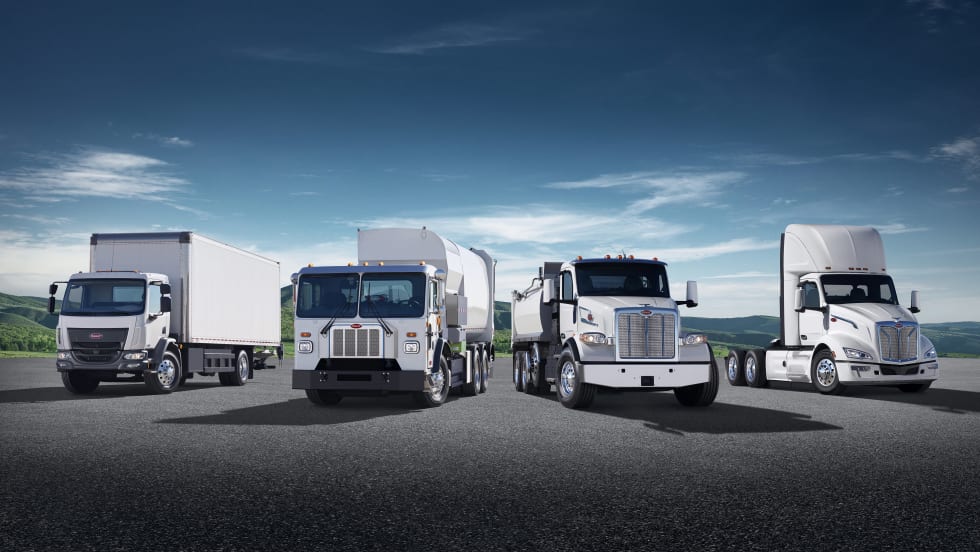
Peterbilt Expands Sourcewell Partnership with Electric Vehicle Lineup
The agreement aims to provide streamlined procurement of Peterbilt trucks for government, education, nonprofit and tribal organizations across the United States and Canada.
Read More →
EV Adoption & Charging Challenges
Where is your fleet in the journey of vehicle electrification? If you're still looking for answers to fleet electrification you've come to the right place.
Read More →
Hawaii Passes Clean Fuel Policy
Hawaii lawmakers passed clean fuel legislation that could support renewable natural gas production, biogas-powered transportation, and lower-carbon fueling options for public and commercial fleets.
Read More →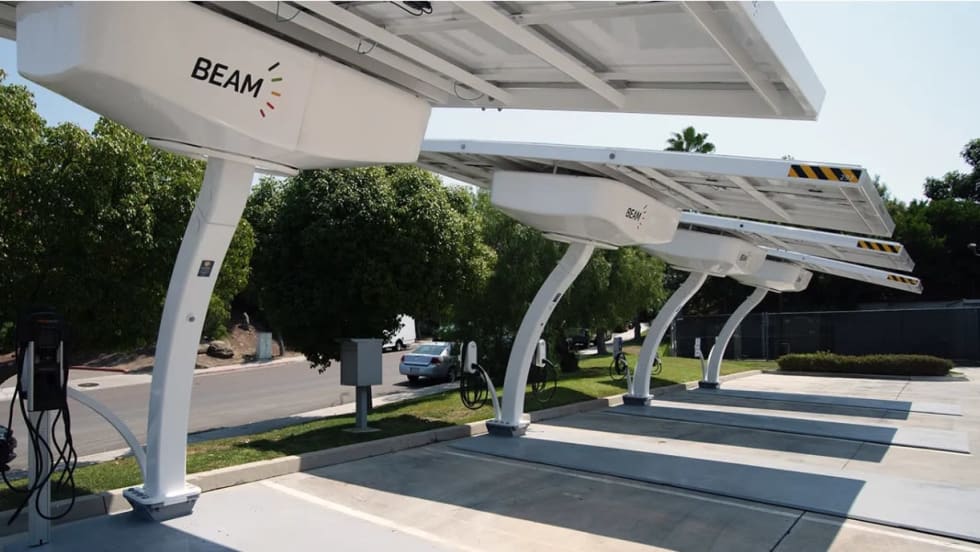
Stanislaus County Deploys Ten Beam Global EV ARC Systems to Support County Fleet Electrification
Stanislaus County deployed 10 off-grid solar-powered EV charging systems and a mobile charging trailer from Beam Global to support its electric fleet operations and emergency response flexibility.
Read More →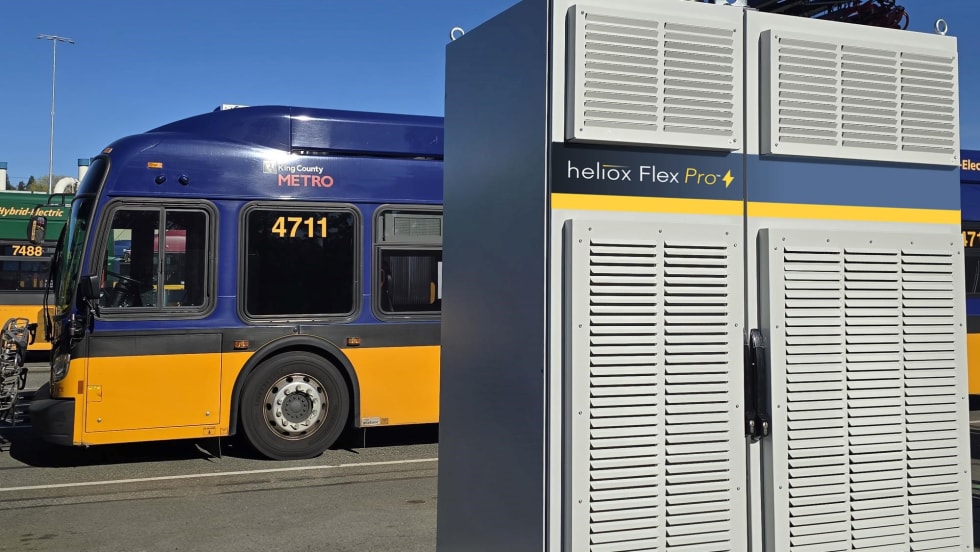
Heliox Pilots 480-kW Bus Charger with King County Metro
King County Metro is piloting Heliox’s new 480-kW Flex Pro charger to support expansion of its battery-electric bus fleet and depot charging infrastructure. The compact charging system supports pantograph and plug-in charging configurations for high-density transit operations.
Read More →