




Utility to Build City of Orlando’s CNG Fueling Station
The City of Orlando will soon have its own time-fill compressed natural gas (CNG) fueling station, which will be owned and operated by TECO Peoples Gas, a natural gas distribution utility.

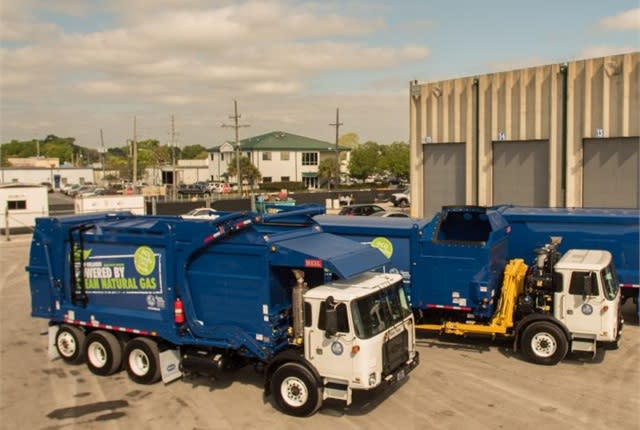
Photo courtesy of City of Orlando.
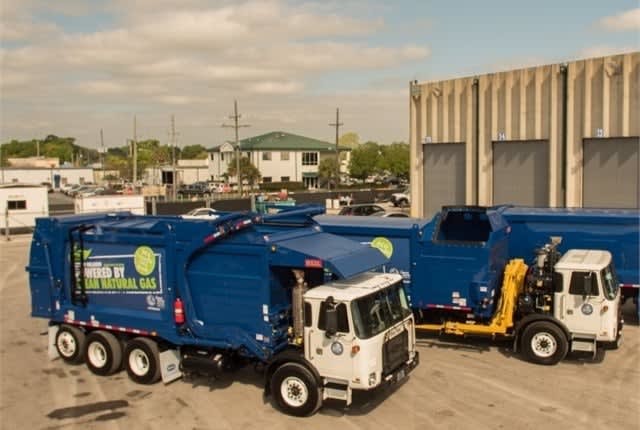
Photo courtesy of City of Orlando.
The City of Orlando will soon have its own compressed natural gas (CNG) fueling station, which will be owned and operated by TECO Peoples Gas, a natural gas distribution utility. The time-fill station will be used to fuel the city’s fleet of refuse trucks and is expected to be in operation by October.
TECO Peoples Gas will design, construct, own, and maintain the stations and dispense the natural gas. The city does not make any up-front investment, but instead pays for the service through monthly utility billing. TruStar Energy, under contract from TECO Peoples Gas, will handle the construction of the station at the City of Orlando’s fleet maintenance facility, which will provide time-fill fueling for 46 trucks.
The city currently has five commercial front-load and five residential rear-load CNG refuse trucks in service, with three more in various build stages to be delivered in the next few months, Daryl Greenlee, fleet manager, told Government Fleet. Another three CNG trucks for the City Forestry Department are in various build stages as well, and are also expected to be delivered later this year.
The city has ordered six more CNG commercial refuse front-load trucks with expected delivery by January 2016. Additional Solid Waste commercial, roll-offs, and grapple truck sections are scheduled to be replaced with CNG units, and pick-up trucks for Solid Waste are scheduled to be replaced with bi-fuel vehicles, Greenlee said.
The average refuse trucks uses about 10,000 gallons of fuel each year. Switching to natural gas will cut down oil use, fuel costs, and noise levels, according to TECO.
Not only is the city investing in natural gas, but it’s also purchasing hydraulic hybrid vehicles. The city has placed a final order of Autocar/Parker hydraulic hybrid residential trucks for delivery in February 2016. This would bring up the hydraulic hybrid Solid Waste fleet to 30 vehicles.
“From the administration office to the trucks on the road collecting the citizens’ refuse, the City of Orlando's Solid Waste Department will be rolling with either a hybrid or alternative-fuel vehicles by 2017,” Greenlee said.
More Green Fleet
Sustainability Partners, Energy Systems Group Help Albuquerque Close the Gap on its 100% Renewable Energy Goal
The eight-site, 6 MW solar project has advanced the city toward 100% renewable energy for municipal operations.
Read More →
Port Authority and CALSTART Launch $45 Million Electric Truck and Charging Programs
The programs aim to boost sustainable operations across the East Coast's busiest seaport.
Read More →
Moving Government Fleets Beyond the Vehicle Purchase: EV as a Service
A discussion on how EVaaS is moving beyond pilot programs and what fleets should consider before beginning a larger deployment.
Read More →
Moving Government Fleets Beyond the Vehicle Purchase: EV as a Service
As fleets move beyond small EV pilots, Sustainability Partners CEO Adam Cain explains how EVaaS can address the infrastructure and long-term planning required for larger deployments.
Read More →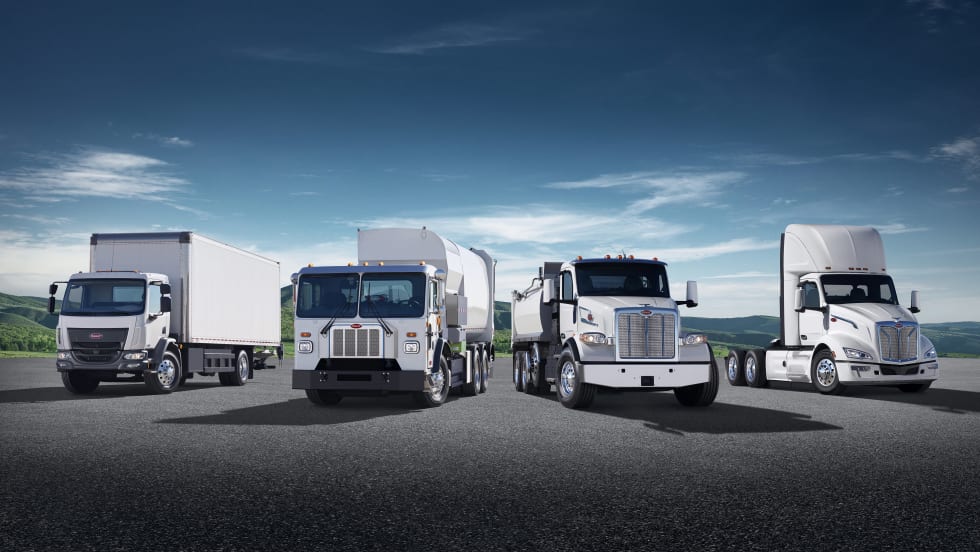
Peterbilt Expands Sourcewell Partnership with Electric Vehicle Lineup
The agreement aims to provide streamlined procurement of Peterbilt trucks for government, education, nonprofit and tribal organizations across the United States and Canada.
Read More →
EV Adoption & Charging Challenges
Where is your fleet in the journey of vehicle electrification? If you're still looking for answers to fleet electrification you've come to the right place.
Read More →
Hawaii Passes Clean Fuel Policy
Hawaii lawmakers passed clean fuel legislation that could support renewable natural gas production, biogas-powered transportation, and lower-carbon fueling options for public and commercial fleets.
Read More →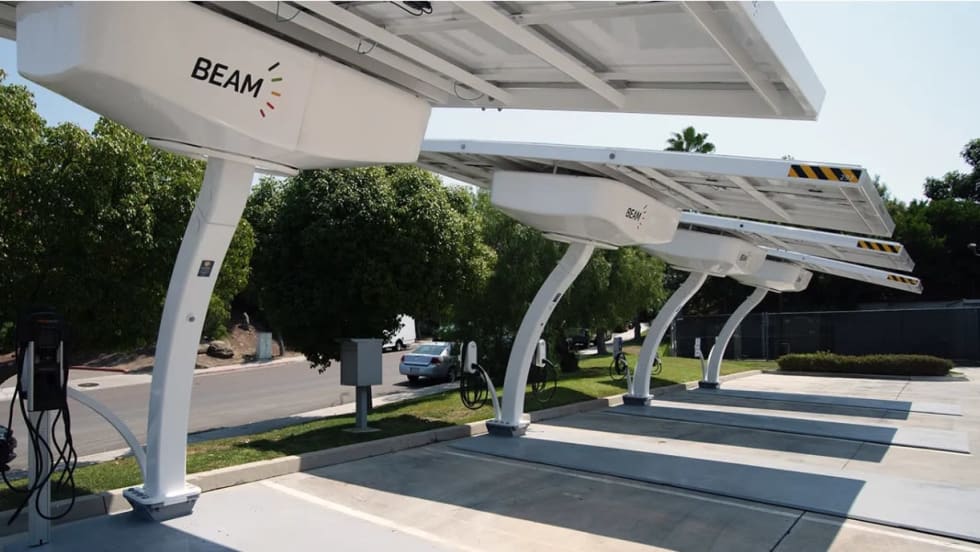
Stanislaus County Deploys Ten Beam Global EV ARC Systems to Support County Fleet Electrification
Stanislaus County deployed 10 off-grid solar-powered EV charging systems and a mobile charging trailer from Beam Global to support its electric fleet operations and emergency response flexibility.
Read More →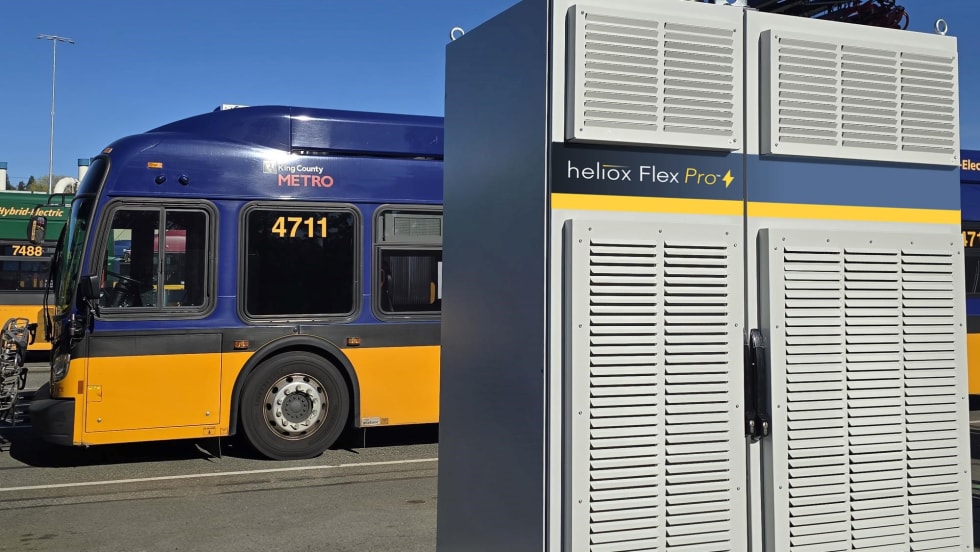
Heliox Pilots 480-kW Bus Charger with King County Metro
King County Metro is piloting Heliox’s new 480-kW Flex Pro charger to support expansion of its battery-electric bus fleet and depot charging infrastructure. The compact charging system supports pantograph and plug-in charging configurations for high-density transit operations.
Read More →