




Utah Fleet Manager Stresses Importance of Teamwork
Ben Roueche, fleet manager for West Jordan City, Utah, proves developing strong relationships with customers and staff makes a difference.

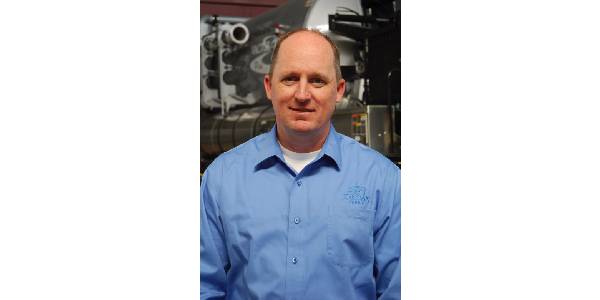

Ben Roueche, fleet manager for West Jordan City, Utah
Ben Roueche, fleet manager for West Jordan City, Utah, wants to be a positive force in his community. It’s clear every decision he makes isn’t to throw himself into the limelight, but to make the right choice when it matters most.
Listen More Than You Speak
His best advice to other fleet managers is to listen to your customers and treat your fleet department like a team.
“By doing this, you will learn more, gain stronger friendships, and get more done,” he says.
By viewing yourself as a teammate rather than a boss, you’ll avoid developing a “my way or the highway” attitude that only turns people off.
“When it comes to figuring out a vehicle, you have to ask your customer, ‘what can we do together to make this work better for both of us?’ There’s no way I know how to outfit a police vehicle better than the guy who’s working in it every day.”
Staying humble and opening your mind to other, possibly better, points of view will help you grow.
Do What Makes Sense
One of the biggest challenges he’s faced was when he first started his fleet manager position on the tail end of the Great Recession. The department was pushing off replacements, especially when it came to the police department.
They were in the process of switching over to a three year lease on all police and light duty fire equipment, and over those years the fire department decided they didn’t want to renew the lease agreement. The police department stayed on lease, so Roueche used the opportunity to drill into the numbers this year to determine what the correct direction was for the future: should they continue or get out of lease?
With COVID, budgets are tight, so they decided to move away from leasing and go back to the five-to-seven-year replacement cycle depending on the vehicles’ condition.
“There’s data and then there’s opinions; making all that work together has been our biggest challenge, but we are on a good path and believe it will come out a positive learning experience.”
Think Before You Act
Roueche says what he enjoys most about his job is speccing and purchasing vehicles, but also learning about new technology.
“There’s always new ways to do the work we need to do. I think of it this way: I am providing the tool the user needs to complete their job. I’m always researching better ways to help them do that job – to provide them with a tool that’s more ergonomic, secure, safe, and efficient.”
He’s also careful not to jump on green trends without thinking them through. “I’m not 100% sold on something just because it’s green. I want to make sure it’ll be the tool that creates the right answer. I’m not afraid of new tech; it just has to make sense. I want to protect the environment and leave the Earth a better place for the next generation, but I also don’t want to spend tons of taxpayer money on something that ‘might’ work.”
Lifelong Passion
Ever since high school, Roueche wanted to be a mechanic. He went to college and went through the GM training program in the early 90’s. After that, he worked in dealerships, and became a volunteer firefighter. Toward the end of his 10 years working for dealerships, he then moved on to a company that sold firetrucks and equipment as a service manager. After seven years there, he moved on to Napa Autoparts for three years, and then a position opened up for a fleet manager in Utah.
“I’ve always had an automotive background and an interest in how things work,” he says.
More Operations
Is Keeping Older Fleet Vehicles Really Saving Money?
Is keeping vehicles longer saving money, and what happens when a diagnostic test points to the wrong fix?
Read More →
How Smart Fleet Strategy Can Help Local Government Agencies Do More with Less
Keeping a vehicle longer may ease this year’s budget, but what does it cost the next one? A closer look at fleet decisions can reveal opportunities to reduce spending while protecting essential services.
Read More →
Connect with Government Fleet on LinkedIn
From industry news and fleet management strategies to conversations with peers, Government Fleet's LinkedIn page offers public-sector fleet professionals another way to stay informed and connected.
Read More →
Town of Queen Creek Named Most Successful Fleet Award Winner of Inaugural RTA Fleet Success Awards
Five fleets were honored at RTA Connect 2026 in Chicago for excellence across resource efficiency, intentional culture, risk management, and stakeholder satisfaction.
Read More →
A buyer's guide to fleet management software in 2027
Buying fleet management software in 2027 means looking beyond features and price. As fleet operations, technology and expectations evolve, this guide explores what today’s fleet professionals should consider when choosing a system that can deliver value now and adapt to what comes next.
Read More →
Hazard Alerts, Fleet Car Sales Rise and a New Shuttle Concept
Fleet car sales doubled, but the bigger picture tells a different story in this week’s roundup.
Read More →
How St. Johns County Turned Fleet Data Into Better Replacement Decisions
St. Johns County, Florida, had fleet data, but turning it into reliable decision guidance was another matter. Instead of starting over with a new fleet management system, the county connected existing tools and built a scoring system that gives managers an objective look at fleet health.
Read More →
Fleet Forward Conference Introduces One-Day Passes for 2026
New one-day registration lets fleet professionals attend Tuesday, Wednesday, or Thursday, with passes available for $249.
Read More →
ENC Unveils its ZAVIR Medium-Duty Shuttle
Two variants of the concept shuttles were revealed: a low-floor configuration and a high-floor configuration.
Read More →
Could Your Next Fleet Technician Start as an Intern?
What if your next technician hasn’t worked in a fleet shop yet? What fleets are doing to free up time.
Read More →