





Similar Content: USPS Purchase Plan Sparks Congressional Probe
USPS Modernization Plan May Lead to More EV Purchases
Expected changes to the USPS' delivery network will improve transportation efficiency and will lead to infrastructure capable of handling charging needs.
June 3, 2022
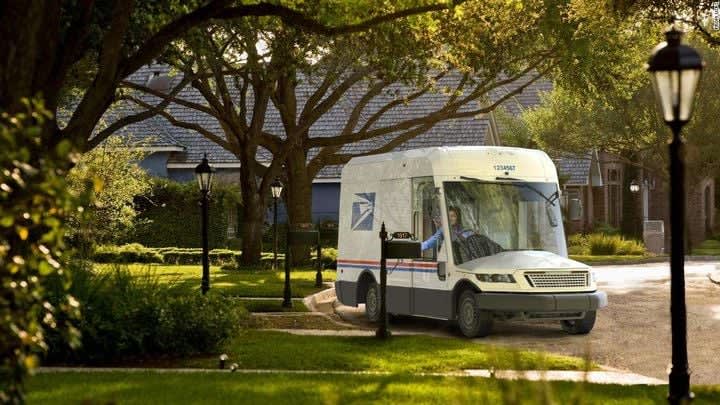
Aggregating the USPS' carrier operations will change the delivery structure. It may also streamline the charging infrastructure for electric vehicles (EVs).
Photo: USPS
3 min to read
The United States Postal Service (USPS) is reconsidering its purchase plan for its first order of Next Generation Delivery Vehicles (NGDVs), which consists mostly of internal combustion engine (ICE) vehicles. The plan sparked controversy, as government agencies move toward electrified fleets.
Earlier this year, the USPS announced it was purchasing 40,000 ICE delivery trucks and 10,000 battery electric delivery trucks. A coalition of 16 states and several environmental groups sued the USPS over its purchase plan in late April.
The Postal Service announced it will soon publish a Notice of Intent to supplement its environmental impact statement (EIS) on its NGDV plan. It comes as Postal Service accounts for expected changes following a recently announced plan to improve its delivery network. As part of the initiative, the Postal Service will aggregate much of its delivery operations into sort and delivery centers, with modern building systems and adequate space, docks, conveyors, and mail, and material handling equipment to operate more efficiently while modernizing and leveraging currently underutilized plants around the country.
“As I noted when we placed our initial NGDV delivery order, the Postal Service would continue to look for opportunities to further increase the electrification of our fleet in a responsible manner, as we continue to refine our operating strategy and implement the Delivering for America plan,” said Postmaster General and CEO DeJoy. “A modernized network of delivery facilities provides us with such an opportunity. This is the right approach —operationally, financially, and environmentally.”
Postal delivery vehicles currently operate from almost 19,000 facility locations across the country. As part of the current network, the USPS can have as many as 40 delivery facility locations concentrated within a 10-mile radius. The Postal Service reports that many of the buildings are in disrepair and can't accomodate for its current mix of mail and packages. The high amount of locations also requires significant sorting operations at the plants, underutilizes numerous truckloads from plants, and diminishes the efficiency and commercial utility of the mail carrier route structure, according to the USPS.
By placing large carrier operations inside unused mail processing plants, DeJoy said transportation efficiency will be "dramatically improved," eliminating unnecessary trips, reducing mail handlings, increasing reliability, and decreasing time to delivery.
These proposed changes, according to the USPS, may alter its appropriate mix of vehicles to be procured under the NGDV contract. Aggregating the carrier operations will change the delivery structure. It may also streamline the charging infrastructure for electric vehicles (EVs), as it would reduce the number of facilities where charging installations are needed and it would permit the upgraded electrical systems and infrastructure that are needed. This infrastructure significantly reduces the risks associated with deployment of new EVs to facilities with less robust infrastructure. As part of the improvement plan, carrier operations--which are often located on the same property as post offices--will shift to larger, modernized facilities. That will result in fewer underutilized truck trips, and will allow the delivery routes to become more efficient and cost-effective.
The NGDVs are expected to be on Postal Service routes in late 2023.
More Green Fleet
Sustainability Partners, Energy Systems Group Help Albuquerque Close the Gap on its 100% Renewable Energy Goal
The eight-site, 6 MW solar project has advanced the city toward 100% renewable energy for municipal operations.
Read More →
Port Authority and CALSTART Launch $45 Million Electric Truck and Charging Programs
The programs aim to boost sustainable operations across the East Coast's busiest seaport.
Read More →
Moving Government Fleets Beyond the Vehicle Purchase: EV as a Service
A discussion on how EVaaS is moving beyond pilot programs and what fleets should consider before beginning a larger deployment.
Read More →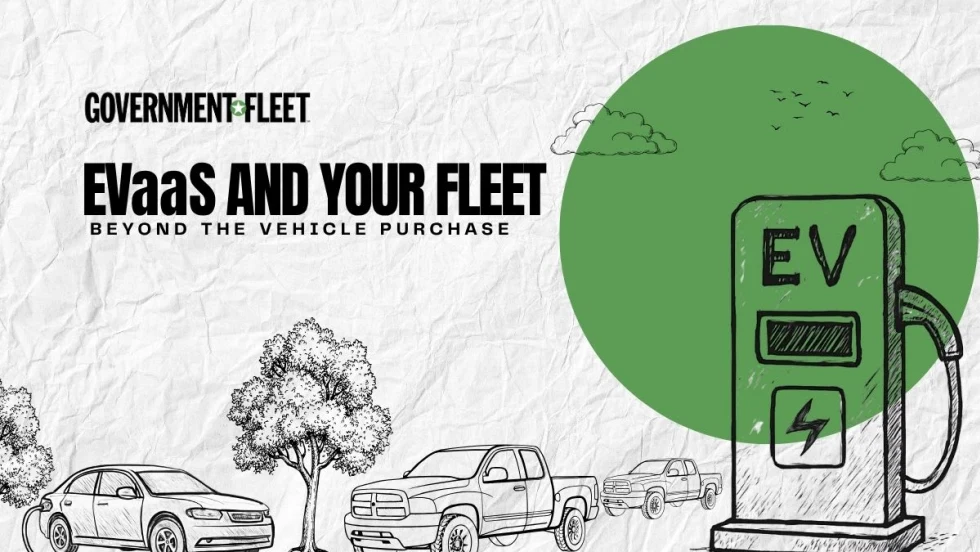
Moving Government Fleets Beyond the Vehicle Purchase: EV as a Service
As fleets move beyond small EV pilots, Sustainability Partners CEO Adam Cain explains how EVaaS can address the infrastructure and long-term planning required for larger deployments.
Read More →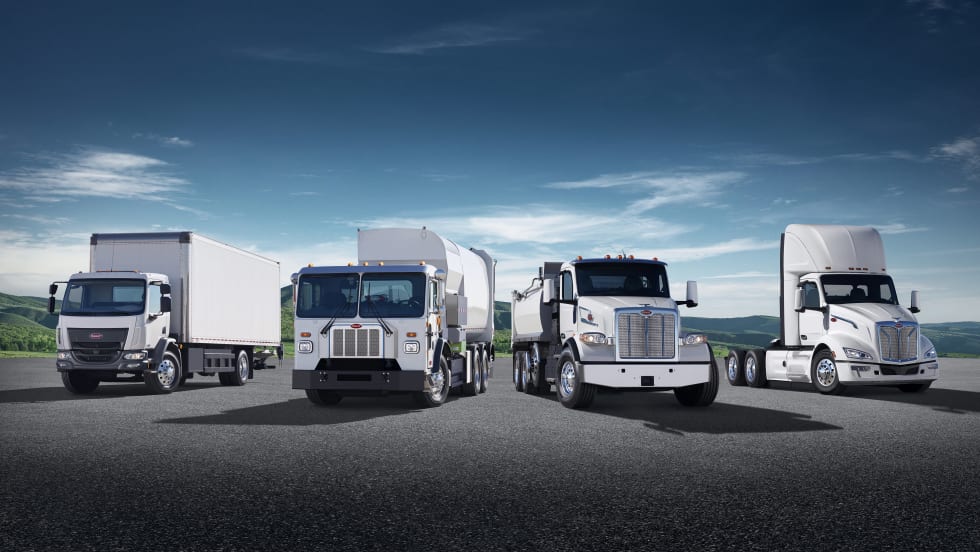
Peterbilt Expands Sourcewell Partnership with Electric Vehicle Lineup
The agreement aims to provide streamlined procurement of Peterbilt trucks for government, education, nonprofit and tribal organizations across the United States and Canada.
Read More →
EV Adoption & Charging Challenges
Where is your fleet in the journey of vehicle electrification? If you're still looking for answers to fleet electrification you've come to the right place.
Read More →
Hawaii Passes Clean Fuel Policy
Hawaii lawmakers passed clean fuel legislation that could support renewable natural gas production, biogas-powered transportation, and lower-carbon fueling options for public and commercial fleets.
Read More →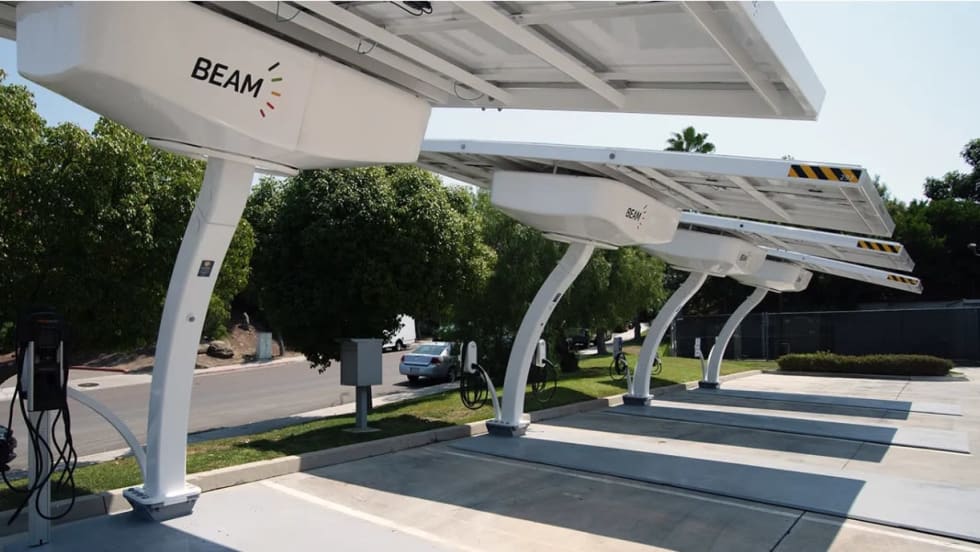
Stanislaus County Deploys Ten Beam Global EV ARC Systems to Support County Fleet Electrification
Stanislaus County deployed 10 off-grid solar-powered EV charging systems and a mobile charging trailer from Beam Global to support its electric fleet operations and emergency response flexibility.
Read More →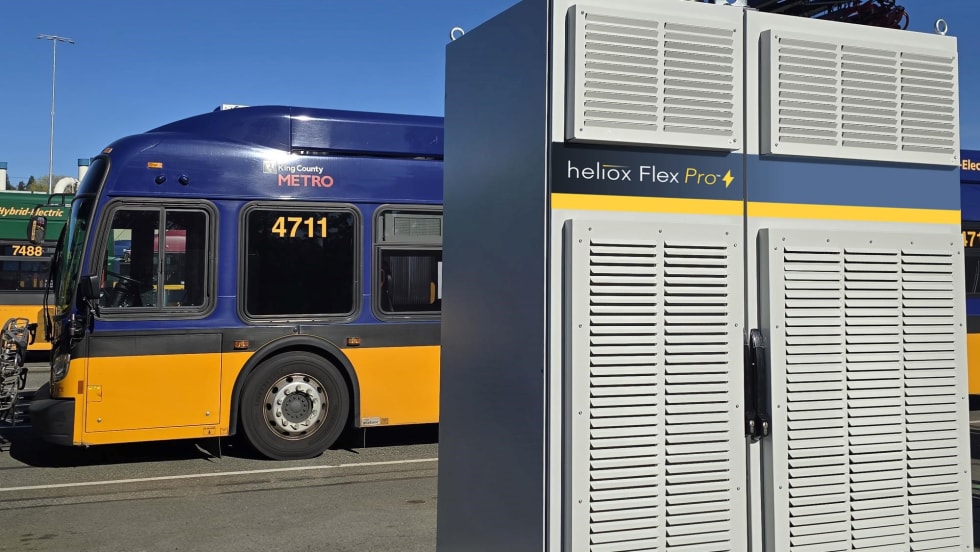
Heliox Pilots 480-kW Bus Charger with King County Metro
King County Metro is piloting Heliox’s new 480-kW Flex Pro charger to support expansion of its battery-electric bus fleet and depot charging infrastructure. The compact charging system supports pantograph and plug-in charging configurations for high-density transit operations.
Read More →