




Universities Partner with Zipcar
CAMBRIDGE, MA - The University at Buffalo (UB) in New York, Boise State University in Idaho, and the University of North Carolina at Greensboro (UNCG) all recently launched new partnerships with Zipcar Inc., providing the campuses with access to the company’s car-sharing services.
CAMBRIDGE, MA - The University at Buffalo (UB) in New York, Boise State University in Idaho, and the University of North Carolina at Greensboro (UNCG) all recently launched new partnerships with Zipcar Inc., providing the campuses with access to the company's car-sharing services, available 24/7 to students, faculty, and staff members, ages 18 and older, according to news releases issued by Zipcar.
The annual membership fee for anyone affiliated with the three universities is $35, and univeristy applicants receive $35 worth of free driving credit that applies towards their first month of driving. Free annual memberships will be offered to UNCG Departments.
"After a very thorough analysis, we are excited to include a car-sharing service in our alternative transportation program, UB Carfree, that meets all the needs of our campus community," said Maria Wallace, director of Parking & Transportation Services at the University at Buffalo. "In addition, Zipcar supports UB's commitment to reducing or offsetting our greenhouse gas emissions. This new offering will help us ease congestion and ultimately reduce the university's carbon footprint."
"Traditionally, members of the Boise State community have been limited in where they are able to travel if they choose not to bring a personal car to campus," said Casey Jones, director of transportation and parking at Boise State. "We are excited to offer a car-sharing service that allows members of our community to run errands, attend meetings or get away for the weekend on a pay-as-you-go basis that is easy and convenient."
"The parking and transportation culture at UNCG is changing. We have been working hard to expand our Campus Access Management programs to bring sustainable transportation options to the community," said Scott Milman, director of Auxiliary Services at The University of North Carolina at Greensboro. "Zipcar provides a new level of freedom to our students, staff, and faculty, allowing access to cars as they need them, without the hassles of ownership."
Cars will be placed at high-demand locations on the campuses.
More Operations
What Can Disappear After a Fleet Crash?
This week, we look at drone footage, what fleets should document before repairs begin, and share a quick poll.
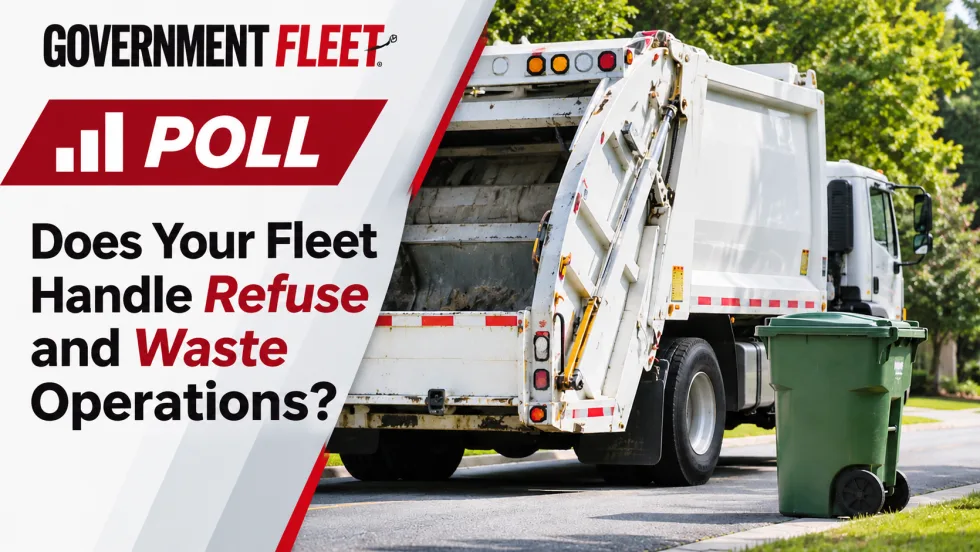
Does Your Government Fleet Handle Refuse and Waste Operations? Take Our Poll
Government Fleet wants to hear from public-sector fleet professionals about their responsibilities for refuse collection and waste management equipment.
Fleet Replacement Decisions, Waste Fleet Technology and the GFX Deadline
Is your next vehicle the right fit, can your records settle a missed pickup dispute, and what could your fleet teach others at GFX 2027?
Is Delaying Fleet Replacement Really Saving Money?
Could delaying replacement cost your fleet more than it saves? This week’s recap takes a closer look, plus an update on GFX 2027.

What Government Fleets Are Missing About Their True Costs
What are fleet budgets missing, and how can agencies use the data they already collect to make a stronger case for change?
Rethinking Fleet Decisions From the Budget Office to the Shop
This October we looked back at how public fleets are reconsidering familiar processes and using what they learn to make better decisions.
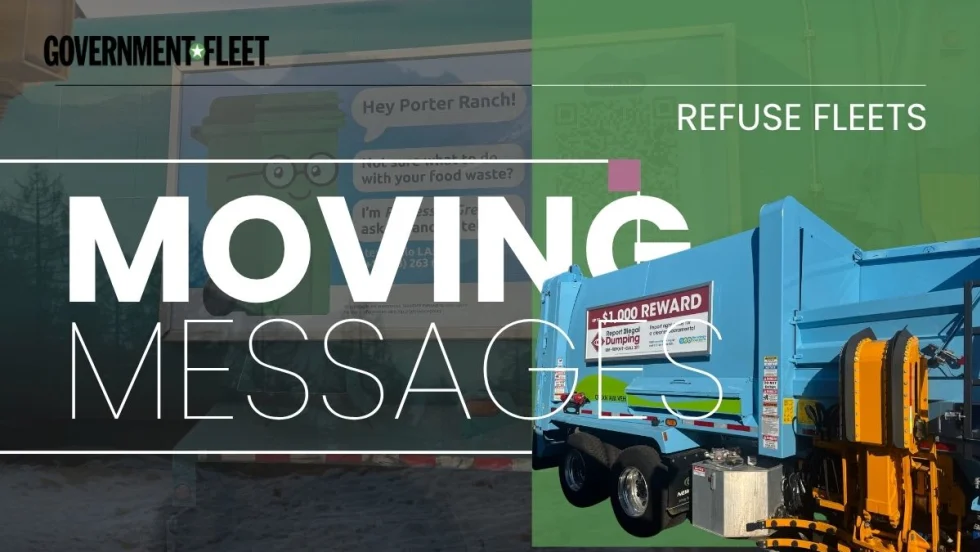
Who Owns the Message on a Refuse Truck?
Refuse trucks can carry public messages into neighborhoods, but keeping those messages current takes planning and clear responsibility.
Who Deserves Fleet Recognition and What Could You Teach at GFX?
Who helped shape your fleet career, and what have you learned that could help someone else?
What’s Haunting Public Sector Fleets?
Public sector fleet challenges rarely happen in isolation, and addressing one often means understanding how it connects to another.
Is Keeping Older Fleet Vehicles Really Saving Money?
Is keeping vehicles longer saving money, and what happens when a diagnostic test points to the wrong fix?