




Treasury Delays EV Tax Credit Guidance
The guidance effectively delays those eligibility restrictions in the $7,500 tax credit for new electric vehicles.

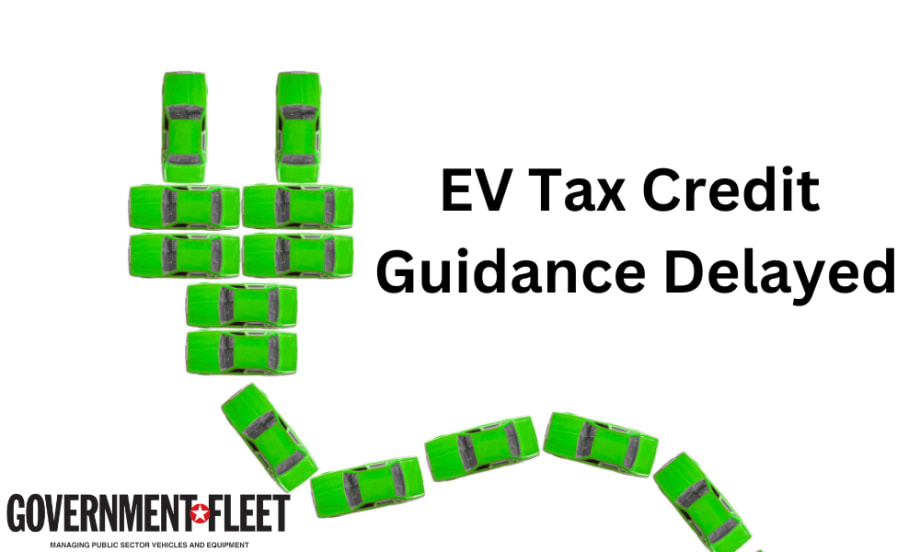
The U.S. Treasury Department will issue a notice of proposed rulemaking (NPRM) in March with proposed guidance on the minerals and battery components requirements.
Photo: Canva/Government Fleet
The U.S. Treasury Department announced it will issue proposed guidance for the critical mineral and battery component requirements in March, according to the department’s news release.
As originally reported by Automotive Fleet, this guidance effectively delays those eligibility restrictions in the $7,500 tax credit for new electric vehicles (EVs). Restrictions on sticker price and buyer income still take effect on January 1, 2023.
It won’t be until after the Treasury issues the proposed guidance that the critical mineral and battery component requirements take effect.
The department was required to issue proposed guidance by December 31 under the Inflation Reduction Act. The guidance will show how to meet the revamped EV tax credit eligibility rules.
The Treasury said it will release information before the end of the year that will outline the "anticipated direction" of the critical mineral and battery component requirements that new EVs must meet to qualify.
The information also will help automakers "prepare to be able to identify vehicles eligible for the tax credit when the new requirements go into effect," according to the Treasury.
The $7,500 tax credit for new EVs is delivered out in two halves for qualifying vehicles and buyers. One half is based on meeting battery component requirements to come from North America. The other half is based on critical minerals coming from the U.S. or free trade partners with no "entity of concern" sourcing from 2025.
More Funding
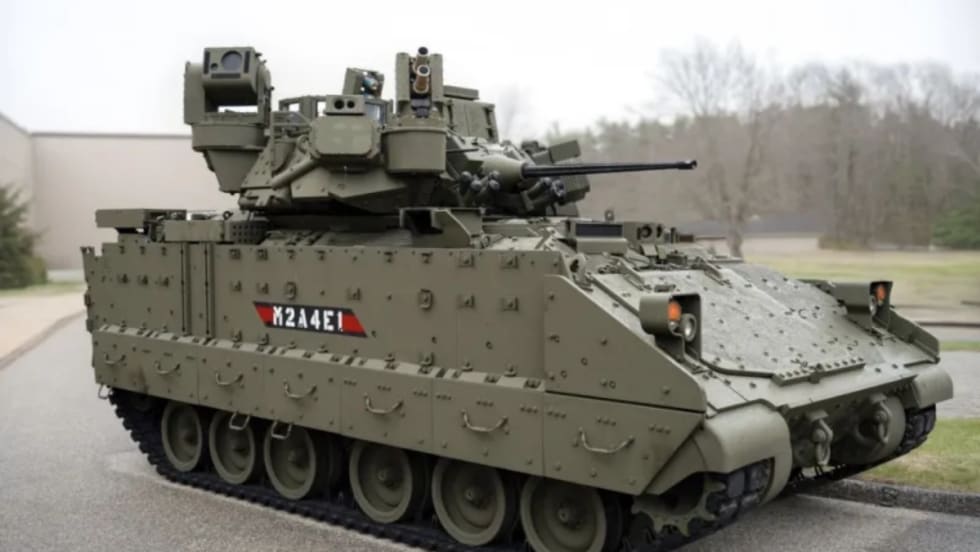
Elbit Systems Awarded $228 Million Follow-on Contract to Provide Iron Fist APS for U.S. Army Bradley IFV Upgrades
Elbit Systems has received a $228 million contract to supply its Iron Fist Active Protection System for the U.S. Army’s Bradley Fighting Vehicle program, expanding the platform’s defenses against modern battlefield threats.
Read More →
Advocating for Vehicle Replacements: Asking for What You Need
Go after the data, know your fleet operations, and be tenacious in advocating for sufficient vehicle fleet replacement funds.
Read More →
Budget Season: 6 Stories to Help You Plan for the Upcoming Fiscal Year
A roundup of news and features that can help you find the best approach to keeping costs down in your budget.
Read More →
Fleet Management Lessons from the Private Sector
Fleet professionals with private- and public-sector experience share best practices and hard-won advice for government fleet managers.
Read More →
Kentucky House Budget Bill Would Allow ICE-Only State Fleet Purchases
Language included in the budget bill states fleet vehicle replacements must be powered by internal combustion engines. The bill
Read More →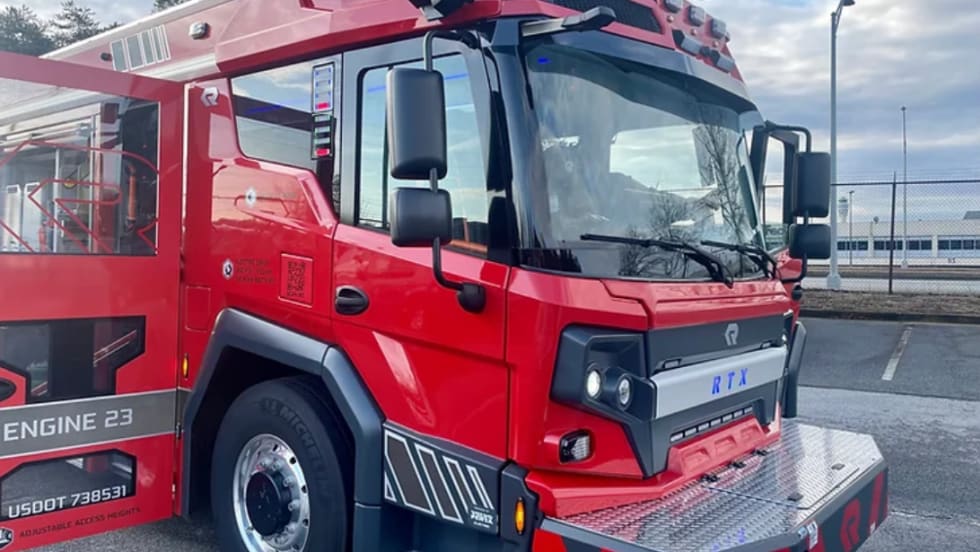
Campaign Launched for Atlanta Fire Rescue Department Innovation, Sustainability
The campaign was launched by The Atlanta Fire Rescue Foundation to provide additional equipment for the Atlanta Fire Rescue Department with a $500,000 inaugural gift from Norfolk Southern.
Read More →
Atlanta Council Approves Up to $19M for Fire Department Fleet Upgrade
The Atlanta City Council approved legislation to authorize executing a master lease agreement with JP Morgan Chase Bank to provide for the city’s acquisition of replacement equipment and vehicles for the Atlanta Fire Rescue Department.
Read More →
Taking a Forward-Thinking Approach with Your Fleet Budget
How the supply chain crisis has forced public sector fleet managers to look much further ahead when making financial decisions.
Read More →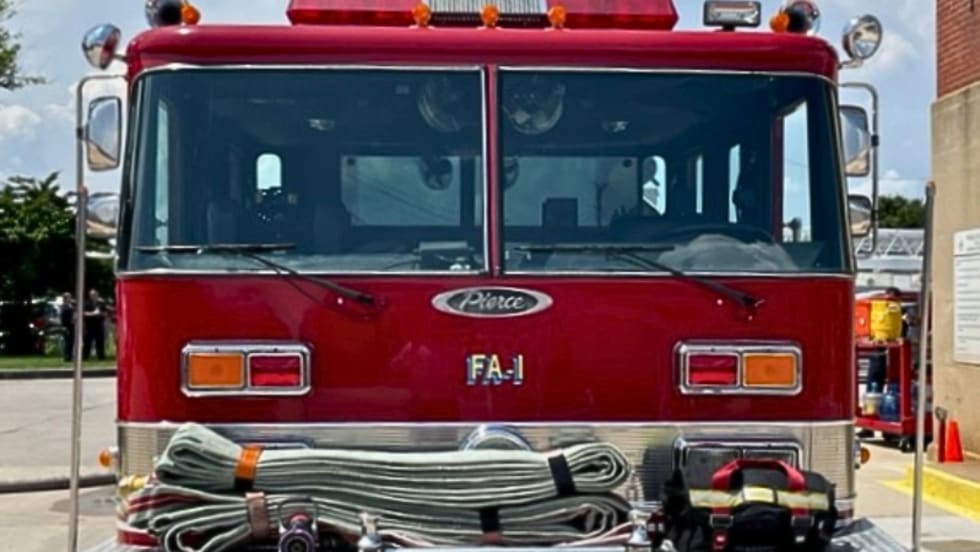
Baltimore Fire Department Receives Funding to Replace Aging Vehicles
The city council approved additional funding for fire apparatus replacements. The entire city fleet department's vehicle replacement budget was also boosted.
Read More →
Oregon College Receives Nearly $3 Million to Expand EV Tech Workforce
Fifteen two-year colleges in the region are part of consortium developing EV technician programs.
Read More →