




Thomson to Retire from City of Salem, Ore.
Don Thomson, CAFM, will retire from the City of Salem, Ore., March 31. He is the City’s fleet/warehouse superintendent and is responsible for providing and maintaining all fleet equipment used by City departments.


Thomson

Thomson
Don Thomson, CAFM, will retire from the City of Salem, Ore., March 31, 2013. He is the City’s fleet/warehouse superintendent and is responsible for providing and maintaining all fleet equipment used by City departments. He is also responsible for the operation of the central stores warehouse. Previously, Thomson was the chairman of the Oregon Public Fleet Managers Group.
Thomson earned a BA degree in political science from Western Washington University. After college, he worked for a Caterpillar dealer warehouse in Seattle, and later as a buyer for Boeing. Thomson moved to Alaska in 1975 and took a job with Alascom, a subsidiary of RCA Corp., as a buyer and later as contract administrator.
In 1980, Thomson went to work for Matanuska Telephone Association (MTA), a local telephone utility, as its purchasing/warehouse/facilities manager. “I subsequently got into fleet management ‘through the back door,’ in a manner that will sound familiar to many fleet managers,” Thomson said. “In 1985, with little warning, our CEO called me in and informed me that I was being given the fleet to manage, too. He knew that I’d never been a mechanic, much less a shop supervisor, but said he was confident I could handle the job.”
With a lot of support from shop supervisors and mechanics, Thomson made that work for 15 years. “It was a steep learning curve, especially in the early years, because I didn’t always know how much I didn’t know,” he said. “Spec-writing, replacement cycles, maintenance intervals, and decisions whether to repair were just a few of the things I had to learn on the fly. I’m very thankful that I learned about the annual Vehicle Maintenance Management Conference (VMMC) in Seattle. It helped me grow into the job.”
In 2000, Thomson accepted the fleet/warehouse superintendent job for the City of Salem, Ore. “It’s a considerably larger fleet, with a lot of the same equipment as my utility fleet. However, we have a much wider variety of equipment, including police and fire vehicles, plus street sweepers and sewer cleaners, etc. Back to the bottom of the learning curve!” Thomson said. I’ve experienced generations of changes in emissions regulation, fuel chemistry, computerized powertrains, data systems, and other technology developments.”
Several years ago, Thomson earned the Certified Automotive Fleet Manager (CAFM) certification and later, Lifetime CAFM status. “I have benefited greatly from involvement with NAFA and VMMC. I owe a huge debt to the members of the Oregon Public Fleet Managers Group (OPFMG) for sharing with me their knowledge and support,” Thomson said. “Wherever I’ve gone in my fleet career, I’ve found fleet managers to be an outstanding network of sharing, professional, competent people. It’s been a great ride, and it ends with good memories and no regrets.”
By Mike Antich
More Maintenance

Freeing Technicians for Higher-Priority Repairs
Could paid interns help public fleets free up experienced technicians for more complex repairs?
Read More →
Stay ready, set and safer with verified fleet inspections
When fleet inspections aren’t verifiable, missed defects can quickly become downtime, safety risks, and service delays. This white paper shows government and municipal fleet leaders how digital inspections can improve accountability, catch issues earlier, and keep vehicles ready when they’re needed most.
Read More →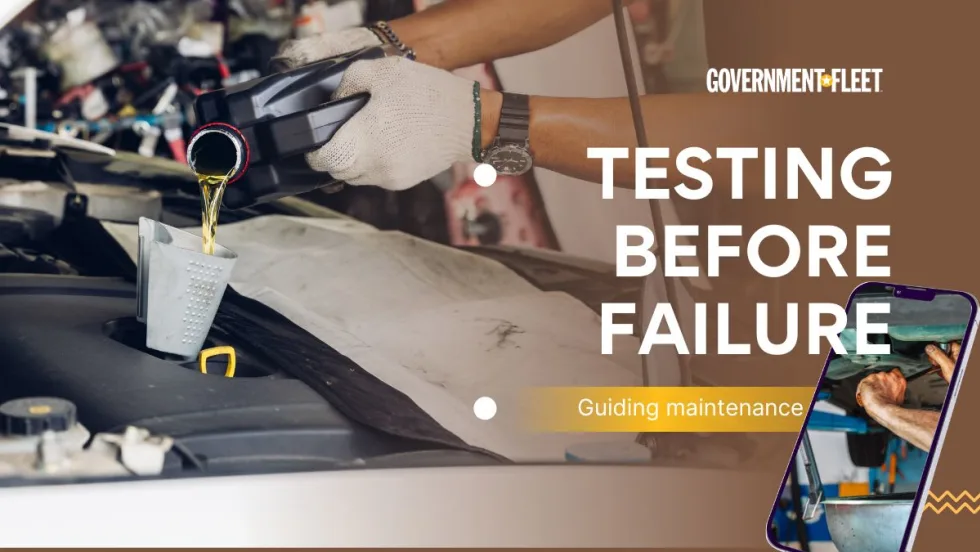
Using Oil Analysis to Help with Engine Losses
How a Texas city changed its lubrication practices and began tailoring preventive maintenance intervals after test results showed oil degradation and fuel dilution.
Read More →
Hidden in Plain Sight: Fleet Compliance Risks
Fleet compliance isn't just about having policies — it's about consistently enforcing them. This practical guide reveals six hidden compliance risks common in public sector and shared fleet operations and outlines proven strategies to improve visibility, accountability, and audit readiness.
Read More →
Is Your Fleet Garage Holding Back Your Operation? | The Fleet Breakroom
Norman Barrientos of Barrientos Design & Consulting explains how agencies can use operational data to show decision-makers why a replacement or major renovation is needed.
Read More →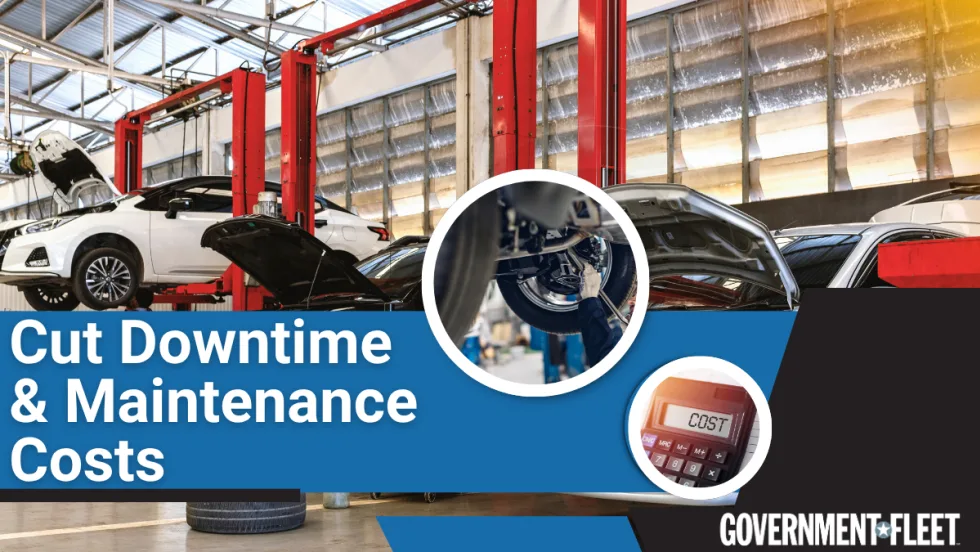
Reducing Long-Term Maintenance Costs and Downtime
Downtime is rarely caused by a single surprise failure but rather by an issue that builds over time through setbacks ranging from deferred maintenance to poor replacement planning. So what's the fix?
Read More →
The Future of Government Fleet Technicians with Mike Cleary
Insight on preparing for hybrid and electric vehicle service, what fleets need to know about recruiting technicians in a competitive market, and how to make the most of limited training budgets.
Read More →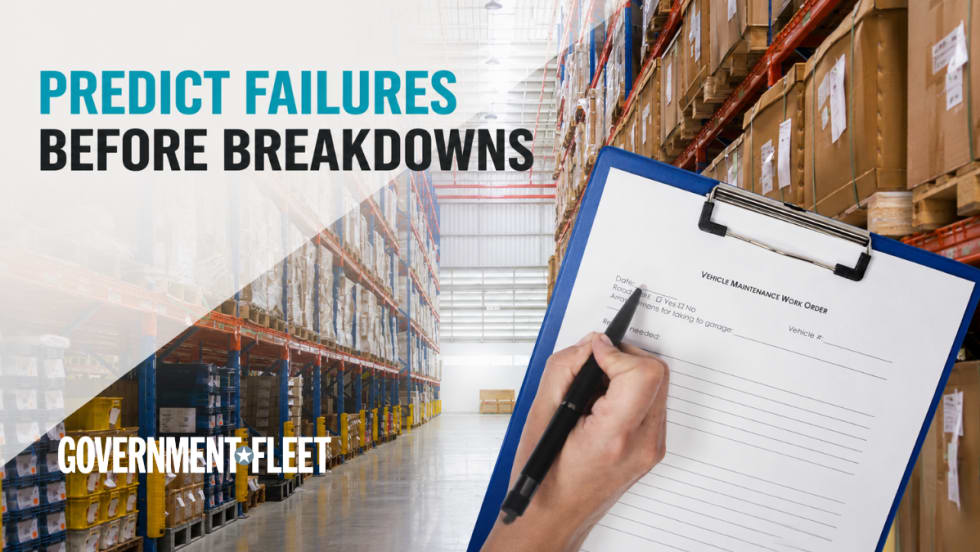
Work Orders Are More Than Records. They're a Roadmap to Fleet Availability
What if your work orders could predict failures, uncover hidden costs, and boost fleet availability? Here's how leading fleets are using the data.
Read More →
Drive More Profit with Greater Fleet Uptime
Fleet downtime costs money. JASPER helps keep vehicles on the road with quality remanufactured components, fast nationwide delivery, and reliable solutions that boost uptime and profitability.
Read More →
Smart Seasonal Maintenance Tips for Government Fleets
Government fleets carry extra weight, and routes, schedules, and public trust depend on reliability. A systematic spring checklist keeps vehicles in service when agencies need them most.
Read More →