




T3 Motion Launches New Non-Lethal Response Vehicle
COSTA MESA, CA - T3 Motion, Inc. has launched its new T3 Non-Lethal Response Vehicle (NLRV), which the company said is designed to provide law enforcement with a vehicle for use during riots and violent protests.

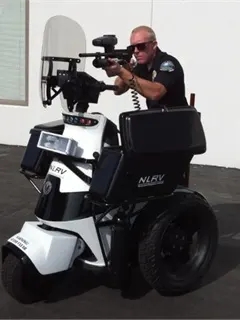
COSTA MESA, CA - T3 Motion, Inc. has launched its new T3 Non-Lethal Response Vehicle (NLRV), which the company said is designed to provide law enforcement with a vehicle for use during riots and violent protests. The all-electric vehicle features a range of less-than-lethal technologies for use by officers, including semi-automatic launchers capable of firing various types of less-than-lethal ammunition including pepper balls, water balls, dye markers, or rubber projectiles.
Each vehicle can store up to 10,000 rounds. High-intensity LED deterrent strobe lights, specifically designed to deter a disorderly crowd, are incorporated into the vehicle, according to the company. These deterrent lights provide long-life LED operation with low-energy consumption and were designed with Whelen Engineering. The vehicle is equipped with a riot shield to physically protect the officer from crowds.
The T3 NLRV’s features include the following:
High-intensity LED deterrent light -- up to 40,000 lumens
700 rounds per minute non-lethal shooting capabilities
High-capacity air tanks with up to 10,000 round shooting capability
PA system
Riot shield
High-capacity, swappable batteries
Video recording capability
Puncture-proof tires
All-electric
More Operations
What Can Disappear After a Fleet Crash?
This week, we look at drone footage, what fleets should document before repairs begin, and share a quick poll.
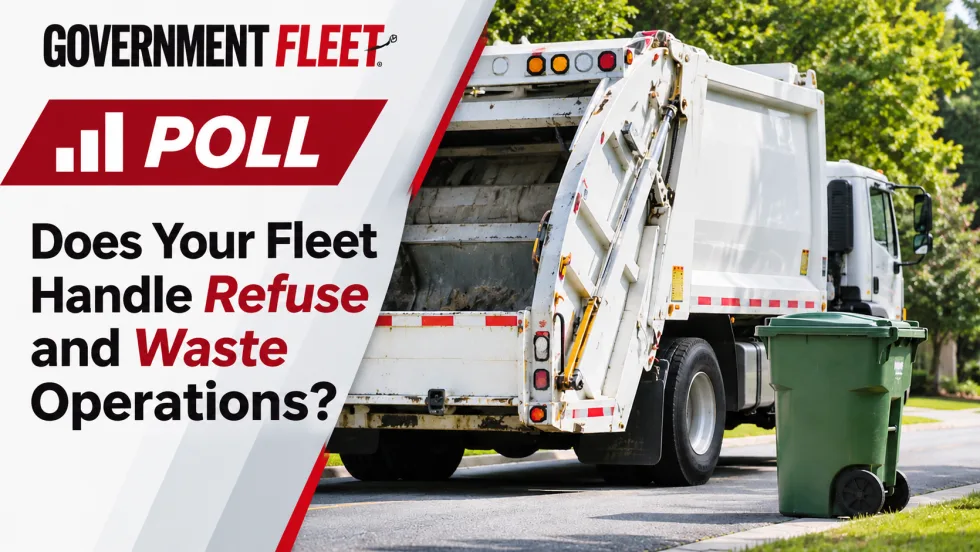
Does Your Government Fleet Handle Refuse and Waste Operations? Take Our Poll
Government Fleet wants to hear from public-sector fleet professionals about their responsibilities for refuse collection and waste management equipment.
Fleet Replacement Decisions, Waste Fleet Technology and the GFX Deadline
Is your next vehicle the right fit, can your records settle a missed pickup dispute, and what could your fleet teach others at GFX 2027?
Is Delaying Fleet Replacement Really Saving Money?
Could delaying replacement cost your fleet more than it saves? This week’s recap takes a closer look, plus an update on GFX 2027.

What Government Fleets Are Missing About Their True Costs
What are fleet budgets missing, and how can agencies use the data they already collect to make a stronger case for change?
Rethinking Fleet Decisions From the Budget Office to the Shop
This October we looked back at how public fleets are reconsidering familiar processes and using what they learn to make better decisions.
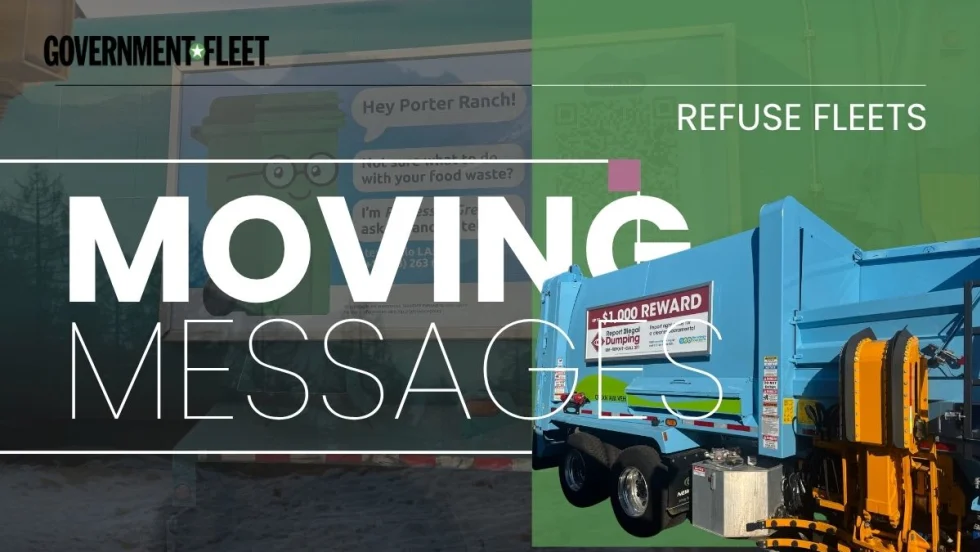
Who Owns the Message on a Refuse Truck?
Refuse trucks can carry public messages into neighborhoods, but keeping those messages current takes planning and clear responsibility.
Who Deserves Fleet Recognition and What Could You Teach at GFX?
Who helped shape your fleet career, and what have you learned that could help someone else?

What’s Haunting Public Sector Fleets?
Public sector fleet challenges rarely happen in isolation, and addressing one often means understanding how it connects to another.

Is Keeping Older Fleet Vehicles Really Saving Money?
Is keeping vehicles longer saving money, and what happens when a diagnostic test points to the wrong fix?