




Syracuse, N.Y., Developing Plan to Reduce Fuel Use and Emissions by 10% by 2020
SYRACUSE, NY – The City of Syracuse, N.Y. updated its sustainability plans in the fall, part of which calls for long-term reductions in its fleet’s fuel use and greenhouse gas (GHG) emissions.
SYRACUSE, NY – The City of Syracuse, N.Y. updated its sustainability plans in the fall, part of which calls for long-term reductions in its fleet’s fuel use and greenhouse gas (GHG) emissions. The plan sets targets for 2020 and builds on its successful efforts to reduce emissions and fuel use that it began in 2002.
In 2002, the City’s baseline for its fleet’s GHG emissions was 11,251 metric tons of carbon dioxide equivalents (CO2e). In 2010, the City had reduced its metric tons of CO2e to 9,039. For 2020, its new target is 8,039 metric tons of CO2e. In addition to emissions, the City reduced its fleet’s fuel consumption by more than 140,000 gallons of gasoline and more than 35,000 gallons of diesel fuel. Its gasoline consumption fell from 698,575 gallons to 558,097, and its diesel usage dropped from 420,913 gallons to 383,774.
Looking ahead to 2020, Syracuse plans to reduce its fleet’s energy consumption by 10% by 2020. The City plans to achieve this by adding more efficient vehicle types to its fleet, further optimizing its maintenance cycles, implementing an anti-idling campaign, and emulating “green fleet” policies identified by the International Council for Local Environmental Initiatives (ICLEI).
The City also plans to conduct a fleet study to identify other areas for improvement, fully optimize its Department of Public Works’ trash and recycling vehicles’ pickup routes, optimize City green spaces to reduce fuel use (switching to annual cutting in some cases), discuss feasibility of sharing equipment between DPW, City Schools, and the Parks Department by setting up “zones” to reduce travel from site to site.
More Green Fleet
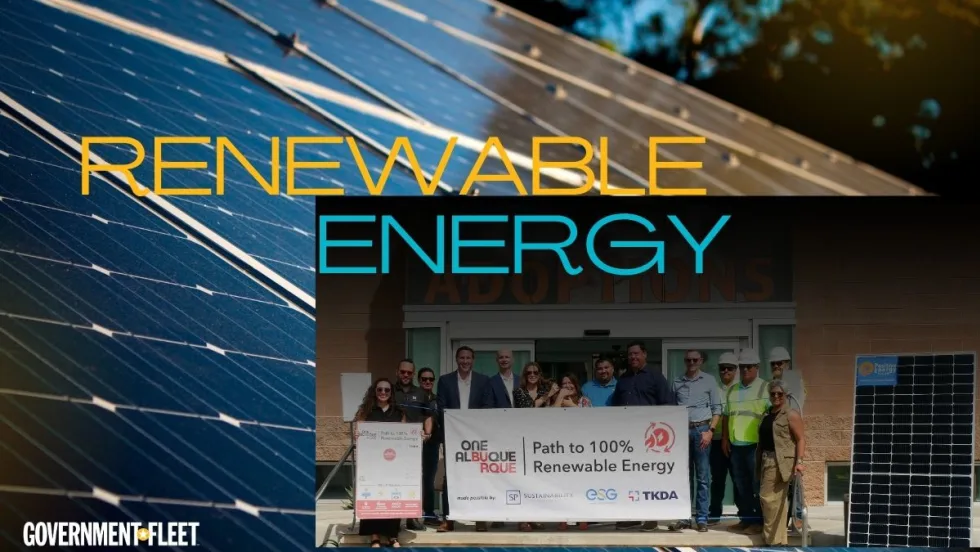
Sustainability Partners, Energy Systems Group Help Albuquerque Close the Gap on its 100% Renewable Energy Goal
The eight-site, 6 MW solar project has advanced the city toward 100% renewable energy for municipal operations.
Read More →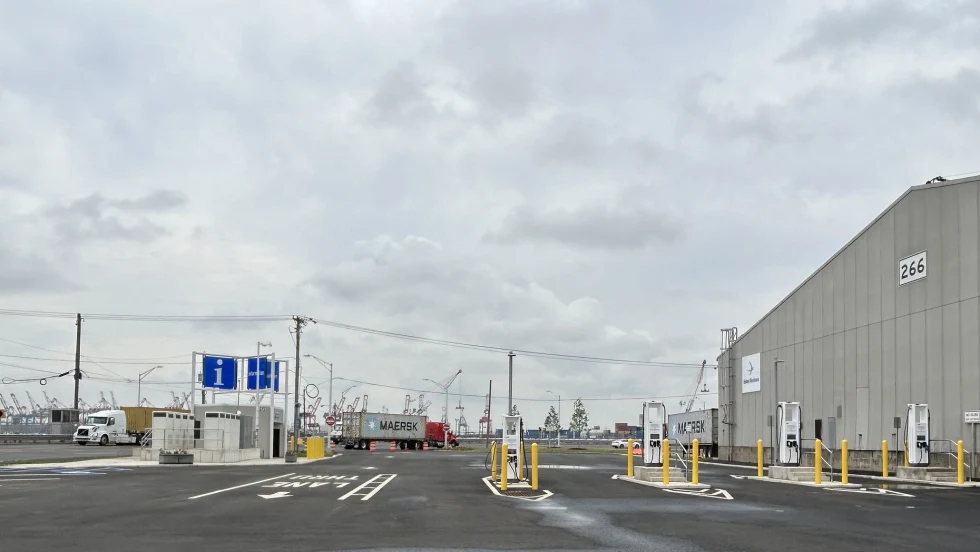
Port Authority and CALSTART Launch $45 Million Electric Truck and Charging Programs
The programs aim to boost sustainable operations across the East Coast's busiest seaport.
Read More →
Moving Government Fleets Beyond the Vehicle Purchase: EV as a Service
A discussion on how EVaaS is moving beyond pilot programs and what fleets should consider before beginning a larger deployment.
Read More →
Moving Government Fleets Beyond the Vehicle Purchase: EV as a Service
As fleets move beyond small EV pilots, Sustainability Partners CEO Adam Cain explains how EVaaS can address the infrastructure and long-term planning required for larger deployments.
Read More →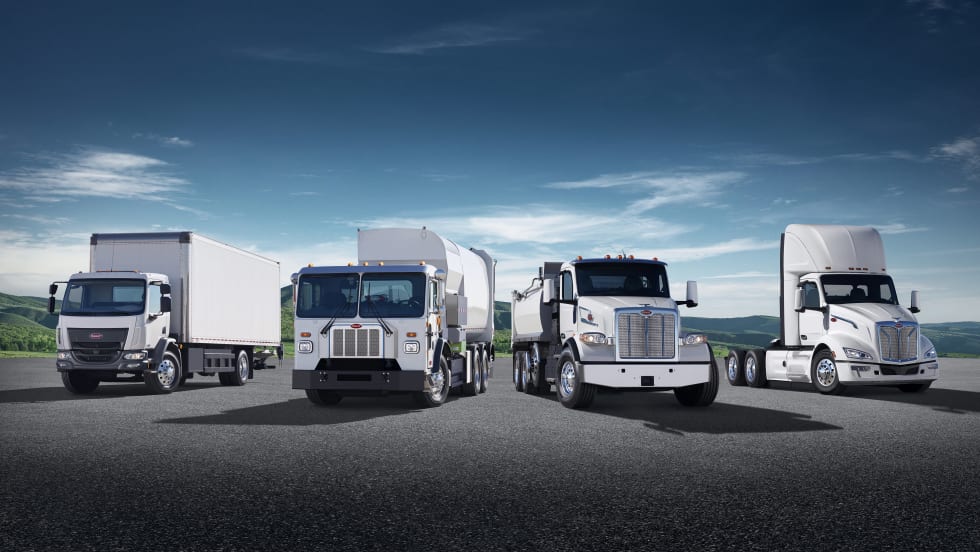
Peterbilt Expands Sourcewell Partnership with Electric Vehicle Lineup
The agreement aims to provide streamlined procurement of Peterbilt trucks for government, education, nonprofit and tribal organizations across the United States and Canada.
Read More →
EV Adoption & Charging Challenges
Where is your fleet in the journey of vehicle electrification? If you're still looking for answers to fleet electrification you've come to the right place.
Read More →
Hawaii Passes Clean Fuel Policy
Hawaii lawmakers passed clean fuel legislation that could support renewable natural gas production, biogas-powered transportation, and lower-carbon fueling options for public and commercial fleets.
Read More →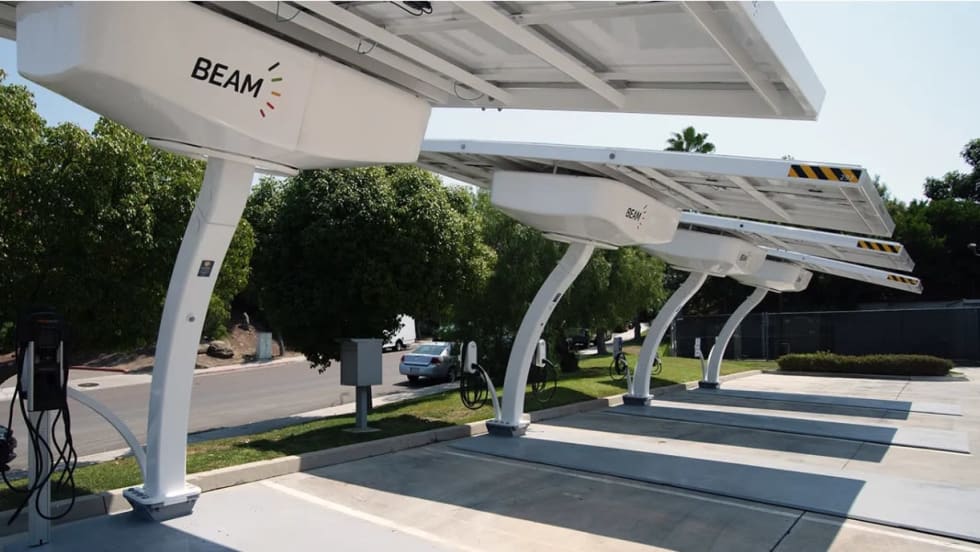
Stanislaus County Deploys Ten Beam Global EV ARC Systems to Support County Fleet Electrification
Stanislaus County deployed 10 off-grid solar-powered EV charging systems and a mobile charging trailer from Beam Global to support its electric fleet operations and emergency response flexibility.
Read More →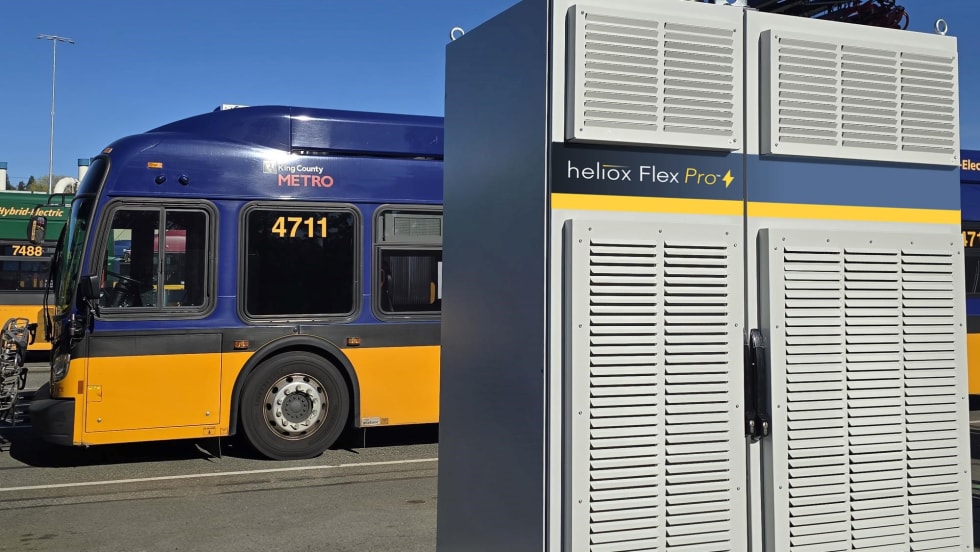
Heliox Pilots 480-kW Bus Charger with King County Metro
King County Metro is piloting Heliox’s new 480-kW Flex Pro charger to support expansion of its battery-electric bus fleet and depot charging infrastructure. The compact charging system supports pantograph and plug-in charging configurations for high-density transit operations.
Read More →