




Related: UPS Adds 125 Hybrid Step Vans
Study Touts Hydraulic Hybrids for Refuse Fleets
Initial results from testing have shown that hydraulic hybrid vehicles (HHV) offer significant fuel-saving opportunities compared to similar conventional diesel vehicles in refuse operation, according to a study performed by the National Renewable Energy Laboratory (NREL).
by Staff
October 13, 2015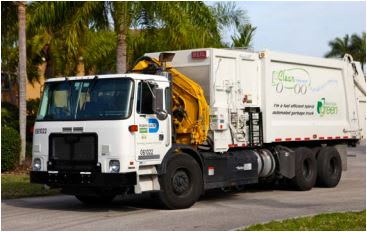
Photo courtesy of NREL.
2 min to read
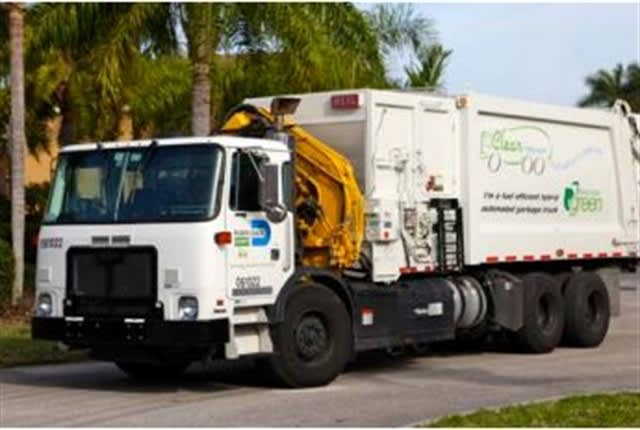
Photo courtesy of NREL.
Initial results from testing have shown that hydraulic hybrid vehicles (HHV) offer significant fuel-saving opportunities compared to similar conventional diesel vehicles in refuse operation, according to a study performed by the National Renewable Energy Laboratory (NREL).
The NREL is conducting this study in order to assist Miami-Dade, Fla. County’s Public Works and Waste Management Department in determining the ideal routes for maximizing HHV’s fuel efficiency. To do this, the NREL will perform on-road tests to collect and analyze the fuel economy, maintenance costs, and drive cycles of both types of vehicles.
For the initial results, the NREL entered the data gathered from the on-road tests into the Future Automotive Systems Technology Simulator to study the impact of route selection and other vehicle parameters, according to the NREL.
The tests showed that the fuel-saving opportunities that HHVs offered were dependent on a drive route taking advantage of the HHV’s regenerative braking. The hybrid vehicles used for this study, Autocar E3 refuse trucks equipped with Parker Hannifin’s RunWise Advanced Series Hybrid Drive systems, reportedly recover as much as 70% of the energy lost during braking, according to the NREL.
The NREL will also be conducting chassis dynamometer testing of the HHVs and baseline conventional vehicles in a controlled laboratory setting in order to determine the fuel economy and emissions impact of the hydraulic hybrid technology, according to the NREL.
More Green Fleet
Sustainability Partners, Energy Systems Group Help Albuquerque Close the Gap on its 100% Renewable Energy Goal
The eight-site, 6 MW solar project has advanced the city toward 100% renewable energy for municipal operations.
Read More →
Port Authority and CALSTART Launch $45 Million Electric Truck and Charging Programs
The programs aim to boost sustainable operations across the East Coast's busiest seaport.
Read More →
Moving Government Fleets Beyond the Vehicle Purchase: EV as a Service
A discussion on how EVaaS is moving beyond pilot programs and what fleets should consider before beginning a larger deployment.
Read More →
Moving Government Fleets Beyond the Vehicle Purchase: EV as a Service
As fleets move beyond small EV pilots, Sustainability Partners CEO Adam Cain explains how EVaaS can address the infrastructure and long-term planning required for larger deployments.
Read More →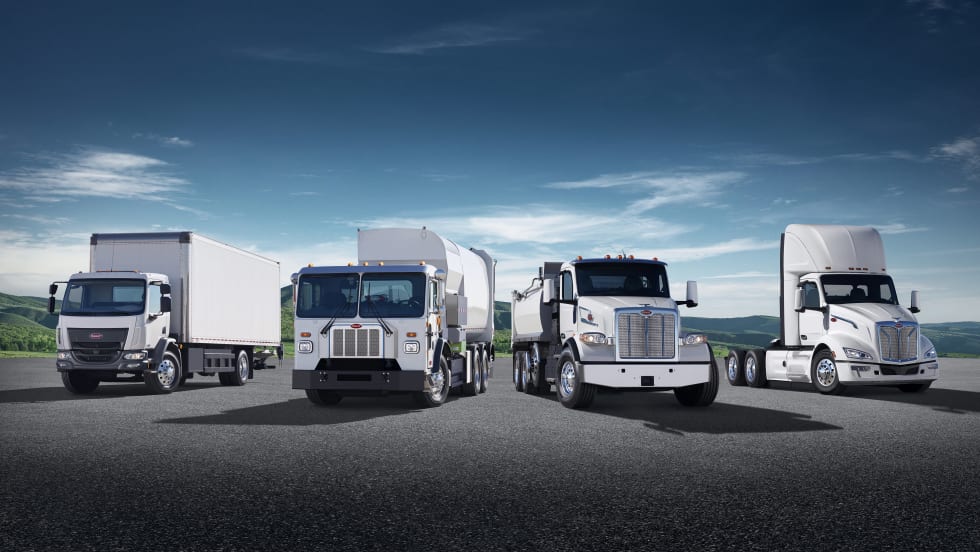
Peterbilt Expands Sourcewell Partnership with Electric Vehicle Lineup
The agreement aims to provide streamlined procurement of Peterbilt trucks for government, education, nonprofit and tribal organizations across the United States and Canada.
Read More →

EV Adoption & Charging Challenges
Where is your fleet in the journey of vehicle electrification? If you're still looking for answers to fleet electrification you've come to the right place.
Read More →
Hawaii Passes Clean Fuel Policy
Hawaii lawmakers passed clean fuel legislation that could support renewable natural gas production, biogas-powered transportation, and lower-carbon fueling options for public and commercial fleets.
Read More →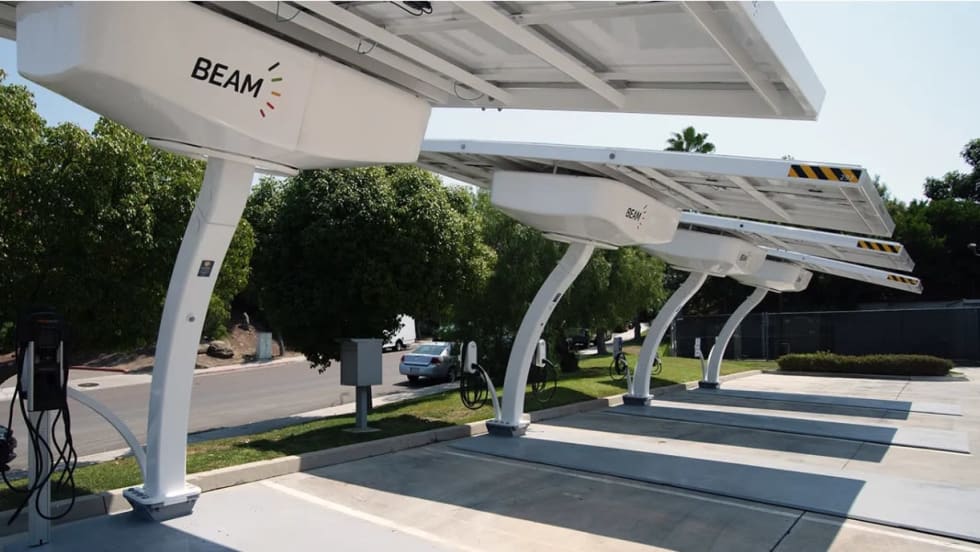
Stanislaus County Deploys Ten Beam Global EV ARC Systems to Support County Fleet Electrification
Stanislaus County deployed 10 off-grid solar-powered EV charging systems and a mobile charging trailer from Beam Global to support its electric fleet operations and emergency response flexibility.
Read More →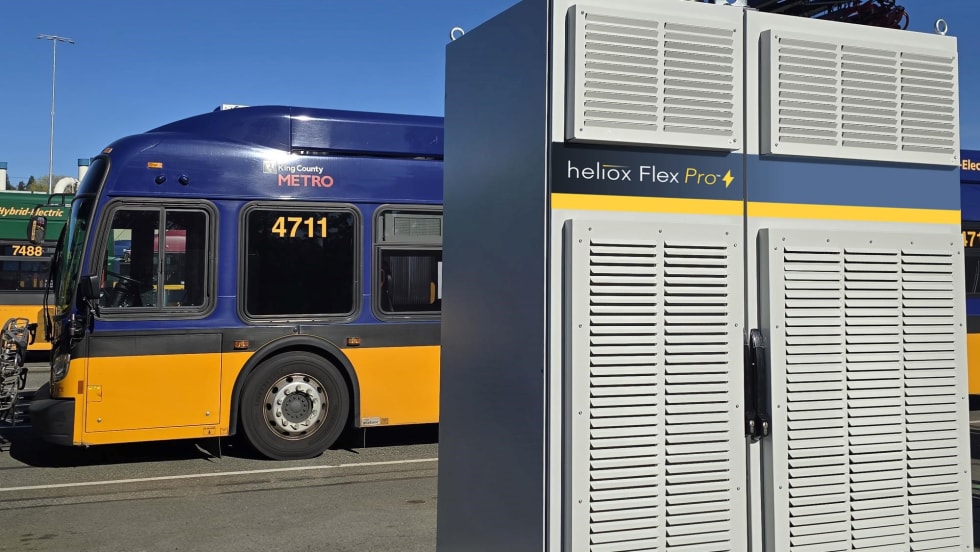
Heliox Pilots 480-kW Bus Charger with King County Metro
King County Metro is piloting Heliox’s new 480-kW Flex Pro charger to support expansion of its battery-electric bus fleet and depot charging infrastructure. The compact charging system supports pantograph and plug-in charging configurations for high-density transit operations.
Read More →