




Study Shows Portland, San Francisco, & Seattle Tops for Self-Sufficiency
SAN FRANCISCO – Portland, Ore., is the big city doing the best job of making its resources sustainable for future generations to enjoy without passing on a major cost burden, a new study says.
SAN FRANCISCO – Portland, Ore., is the big city doing the best job of making its resources sustainable for future generations to enjoy without passing on a major cost burden, a new study says, according to MarketWatch. Portland ranked highest among the 50 largest U.S. cities for using its assets and infrastructure wisely, keeping money in the local economy and being prepared for the unexpected, according to a study from SustainLane.com, a nonpartisan online community site for healthy, sustainable living that’s based in San Francisco. San Francisco came in second this year, with Seattle taking third place. SustainLane’s 2005 survey evaluated only 25 cities and used different criteria. The 2006 report measures the 50 most populous cities based on 15 economic and quality-of-life categories. Cities were judged on their ability to maintain air quality and healthy drinking water, their use of renewable energy and alternative fuels, access to public transit, number of parks, green building, and local food production. The study looked for strong local economies that could handle sudden, unpredictable events such as surging energy prices and natural disasters, as well as the presence of easily walkable neighborhoods and downtowns, farmers’ markets, and affordable housing. Northwestern cities tend to do well in ecological studies, but East Coast and Midwestern hubs — such as Boston, Chicago, and New York — also made the top 10, the report said. Here are the top cities (of the 50 biggest cities) based on sustainability, according to SustainLane.com/:
1. Portland, Ore.
2. San Francisco
3. Seattle
4. Philadelphia
5. Chicago
6. Oakland, Calif.
7. New York
8. Boston
More Operations

What Government Fleets Are Missing About Their True Costs
What are fleet budgets missing, and how can agencies use the data they already collect to make a stronger case for change?
Read More →
Rethinking Fleet Decisions From the Budget Office to the Shop
This October we looked back at how public fleets are reconsidering familiar processes and using what they learn to make better decisions.
Read More →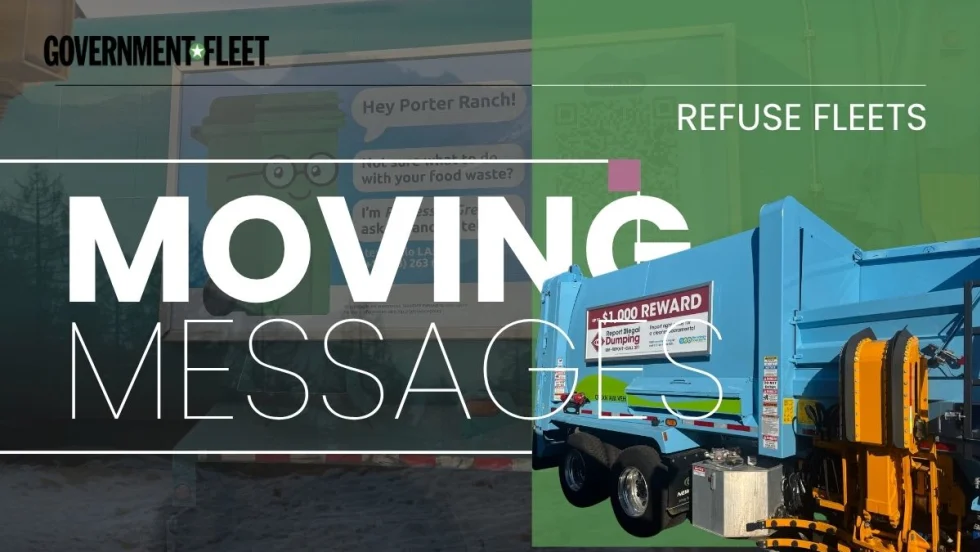
Who Owns the Message on a Refuse Truck?
Refuse trucks can carry public messages into neighborhoods, but keeping those messages current takes planning and clear responsibility.
Read More →
Who Deserves Fleet Recognition and What Could You Teach at GFX?
Who helped shape your fleet career, and what have you learned that could help someone else?
Read More →
What’s Haunting Public Sector Fleets?
Public sector fleet challenges rarely happen in isolation, and addressing one often means understanding how it connects to another.
Read More →
Is Keeping Older Fleet Vehicles Really Saving Money?
Is keeping vehicles longer saving money, and what happens when a diagnostic test points to the wrong fix?
Read More →
How Smart Fleet Strategy Can Help Local Government Agencies Do More with Less
Keeping a vehicle longer may ease this year’s budget, but what does it cost the next one? A closer look at fleet decisions can reveal opportunities to reduce spending while protecting essential services.
Read More →
Connect with Government Fleet on LinkedIn
From industry news and fleet management strategies to conversations with peers, Government Fleet's LinkedIn page offers public-sector fleet professionals another way to stay informed and connected.
Read More →
Town of Queen Creek Named Most Successful Fleet Award Winner of Inaugural RTA Fleet Success Awards
Five fleets were honored at RTA Connect 2026 in Chicago for excellence across resource efficiency, intentional culture, risk management, and stakeholder satisfaction.
Read More →
A buyer's guide to fleet management software in 2027
Buying fleet management software in 2027 means looking beyond features and price. As fleet operations, technology and expectations evolve, this guide explores what today’s fleet professionals should consider when choosing a system that can deliver value now and adapt to what comes next.
Read More →