





Keep Reading: Reflecting on Lessons Learned in Fleet Management
State of Utah Adds RTA to the State Contract for Fleet Management
A new cooperative contract awarded by the State of Utah gives eligible public sector entities access to fleet management software and consulting services without the need for separate procurement.
April 17, 2025
Through this agreement state agencies, local governments, educational institutions and other organizations authorized by Utah statutes can now access RTA’s Fleet360 platform and consulting services.
Photo: RTA | State of Utah
2 min to read
RTA: The Fleet Success Company has been awarded a cooperative contract with the State of Utah under Contract #PA4743, expanding access to its fleet management platform and consulting services for eligible public sector entities.
Through this agreement state agencies, local governments, educational institutions and other organizations authorized by Utah statutes can now access RTA’s Fleet360 platform and consulting services, without the need for a separate bidding process, to modernize their fleet operations and achieve new efficiencies.
Automating Maintenance Workflows and Centralizing Asset Management
The cooperative contract also includes access to consulting services provided by experienced fleet professionals, intended to complement the software platform.
Together, these tools and services aim to support public sector fleets in addressing operational challenges such as compliance, resource management, and sustainability. The agreement allows eligible organizations across Utah to enhance fleet operations, improve asset performance, and pursue long-term cost efficiencies.
“RTA has been an invaluable tool for managing our fleet’s needs and making data-driven decisions,” said Jeremy Estes, Fleet Manager for Lehi City, Utah. “With their tools and resources we’ve been able to prioritize repairs and replacements within our budget, keeping equipment in operation and avoiding costly downtime. Beyond the software, RTA’s team truly understands the challenges fleet managers face, and their training and guidance have allowed us to maximize the system’s capabilities, saving time and resources for our growing community.”
More Operations
What Can Disappear After a Fleet Crash?
This week, we look at drone footage, what fleets should document before repairs begin, and share a quick poll.
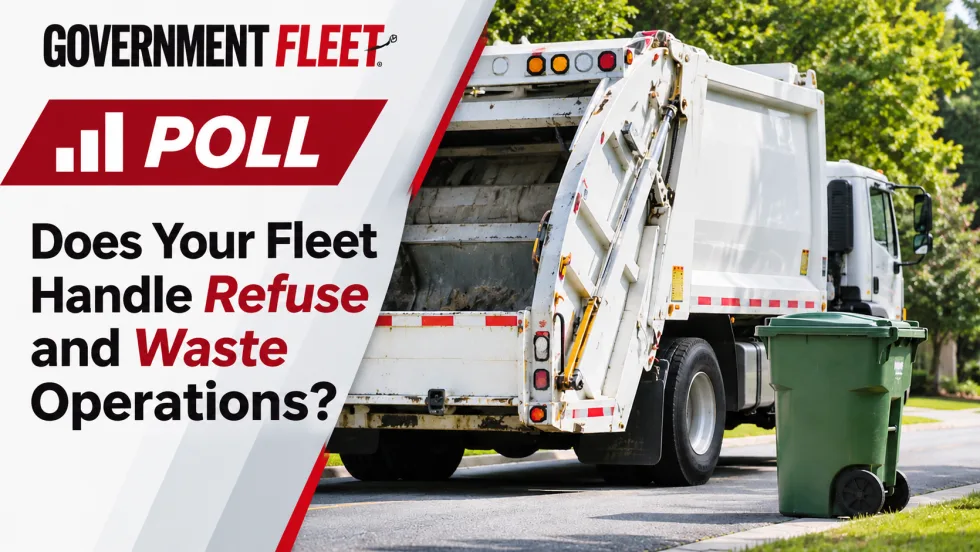
Does Your Government Fleet Handle Refuse and Waste Operations? Take Our Poll
Government Fleet wants to hear from public-sector fleet professionals about their responsibilities for refuse collection and waste management equipment.
Fleet Replacement Decisions, Waste Fleet Technology and the GFX Deadline
Is your next vehicle the right fit, can your records settle a missed pickup dispute, and what could your fleet teach others at GFX 2027?
Is Delaying Fleet Replacement Really Saving Money?
Could delaying replacement cost your fleet more than it saves? This week’s recap takes a closer look, plus an update on GFX 2027.

What Government Fleets Are Missing About Their True Costs
What are fleet budgets missing, and how can agencies use the data they already collect to make a stronger case for change?
Rethinking Fleet Decisions From the Budget Office to the Shop
This October we looked back at how public fleets are reconsidering familiar processes and using what they learn to make better decisions.
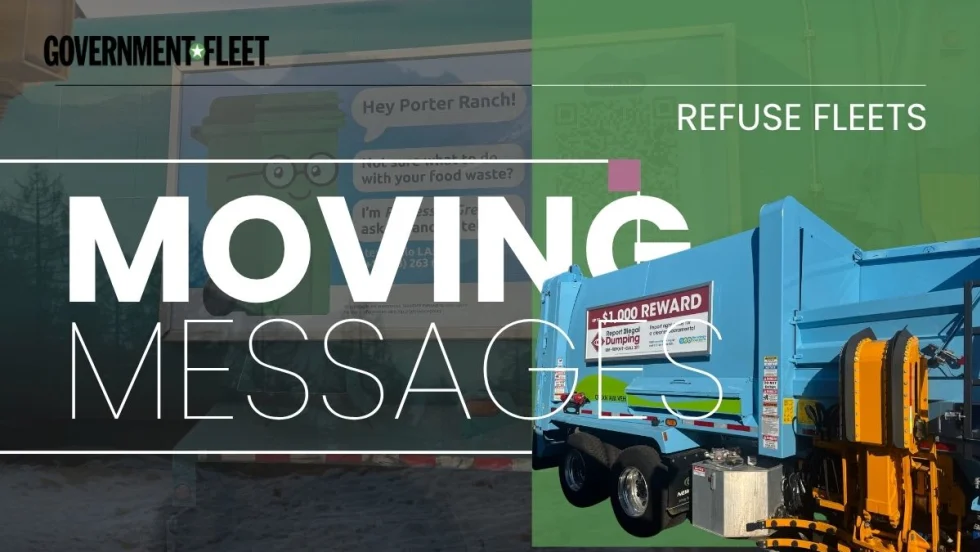
Who Owns the Message on a Refuse Truck?
Refuse trucks can carry public messages into neighborhoods, but keeping those messages current takes planning and clear responsibility.
Who Deserves Fleet Recognition and What Could You Teach at GFX?
Who helped shape your fleet career, and what have you learned that could help someone else?

What’s Haunting Public Sector Fleets?
Public sector fleet challenges rarely happen in isolation, and addressing one often means understanding how it connects to another.

Is Keeping Older Fleet Vehicles Really Saving Money?
Is keeping vehicles longer saving money, and what happens when a diagnostic test points to the wrong fix?