




Southeast Fleet Managers Convene in Myrtle Beach
Members of the Southeast Governmental Fleet Managers Association (SGFMA) convened for the group’s annual meeting and equipment expo in Myrtle Beach, S.C., last week.


The SGFMA expo hall featured vehicles and equipment from numerous OEMs.
Photo courtesy of SGFMA
Members of the Southeast Governmental Fleet Managers Association (SGFMA) convened for the group’s annual meeting and equipment expo in Myrtle Beach, S.C., last week. The event brought together 400 fleet attendees for three days of educational sessions, networking events, and an expo hall with vehicles, equipment, and fleet technologies.
Educational sessions included talks about off-road diesel engine emissions issues, new vehicles and equipment from the Detroit automakers, technician recruitment, equipment purchasing, tire wear and repair, and leadership in a diverse workplace.
“Our goal is to try to meet the needs of our members. We asked them in a review sheet at the end of the sessions last year, what they would like to see from an educational standpoint, and so that became our first priority, to meet those needs,” said Wayne Parker, fleet manager for the City of Gaffney, S.C., and SGFMA’s new president.

New SGFMA president Wayne Parker (left) gives an award to outgoing president Gene Jordan.
Photo courtesy of SGFMA
Brian Bloomer, fleet manager for Greenwood County, S.C., said his biggest takeaway from the event was the face-to-face meetings with vendors and other fleet managers.
“I like putting a face to a name so when I call them, I know who I'm talking to instead of just some voice,” Bloomer said. “The connections that I've made just in the past three years are so valuable to me.”
For Larry Grissett, what’s valuable was getting information on vehicle procurement and learning what other fleet managers were going through. The fleet superintendent for the City of Lumberton, N.C., Grissett has been attending for four years.
“We go through different things, and one may be going through something that you have never been through, and they can help you figure out an easy way to do it yourself,” he said.
The association also recognized several individuals and fleet operations, including the City of Charlotte, N.C., with its Quality Fleet Management award. Additionally, SGFMA announced that four students, children of members, had been awarded college scholarships.

Board members of the SGFMA include: (back row, l-r): Keith Shields, Joe Stone, Debbie Chappell, Ron Nickles, Wayne Parker, Leroy Young, Karen Hyatt, Will Smoak, Garland Veasey, Sheila James, and Chuck Cook; (front row, l-r): Gene Jordan, Fred Kracke, Brian Wood, and Scott McIver.
Photo courtesy of SGFMA
Upcoming Association Goals
Parker began his two-year term at this year’s conference and said that he would be focusing on spreading out responsibilities among more board members and hopes to start an online forum for technician members.
“If technicians have questions, they can enter them on there and those people that know the answers can put the answers on there,” he explained.
Joe Stone, Anderson County, S.C., fleet manager, and the association’s professional development chairman, is responsible for coordinating training between the annual conferences.
“There are certain agencies out there that are members and they’re very small, and they have a really small training budget, so they can’t go out and spend the money. They don’t have the time to coordinate and do that,” he said. “So we try to find that training and pull everybody together at one location and bring everybody there.”
He also emphasized the group’s move toward more online programming, adding that it has tried out video conferencing training sessions. The SGFMA hopes to expand this so fleet organizations that can’t send their technicians can join in via video.
Another goal for the association is expanding participation outside of North and South Carolina. Gene Jordan, fleet maintenance superintendent for the City of Rock Hill, S.C., and outgoing president, explained that the association started in South Carolina, and most of its membership is in North and South Carolina. Having one board member from Tennessee and two in Georgia will help the group expand into those areas.
“The area counties and cities would be much more receptive to speak with someone from their area,” Jordan explained.
More Operations
What Can Disappear After a Fleet Crash?
This week, we look at drone footage, what fleets should document before repairs begin, and share a quick poll.
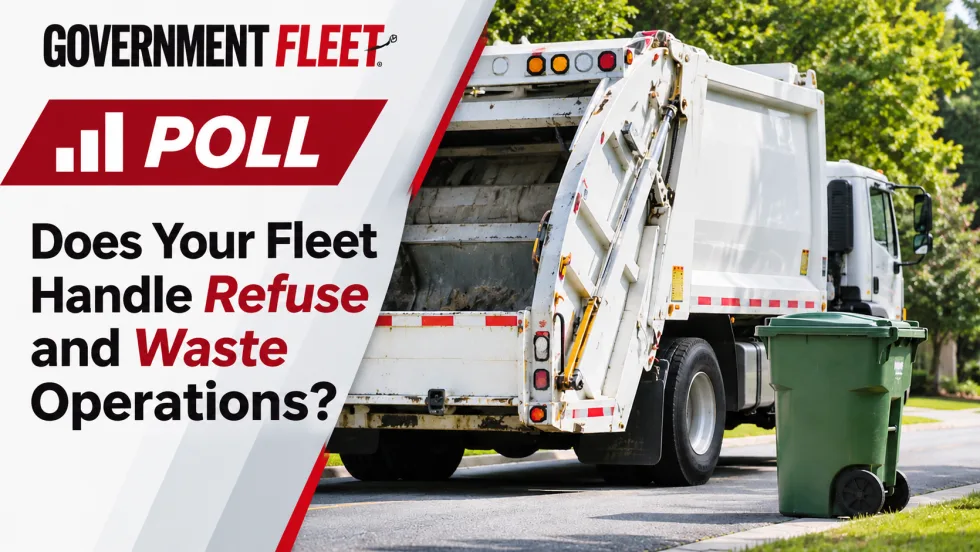
Does Your Government Fleet Handle Refuse and Waste Operations? Take Our Poll
Government Fleet wants to hear from public-sector fleet professionals about their responsibilities for refuse collection and waste management equipment.
Fleet Replacement Decisions, Waste Fleet Technology and the GFX Deadline
Is your next vehicle the right fit, can your records settle a missed pickup dispute, and what could your fleet teach others at GFX 2027?
Is Delaying Fleet Replacement Really Saving Money?
Could delaying replacement cost your fleet more than it saves? This week’s recap takes a closer look, plus an update on GFX 2027.

What Government Fleets Are Missing About Their True Costs
What are fleet budgets missing, and how can agencies use the data they already collect to make a stronger case for change?
Rethinking Fleet Decisions From the Budget Office to the Shop
This October we looked back at how public fleets are reconsidering familiar processes and using what they learn to make better decisions.
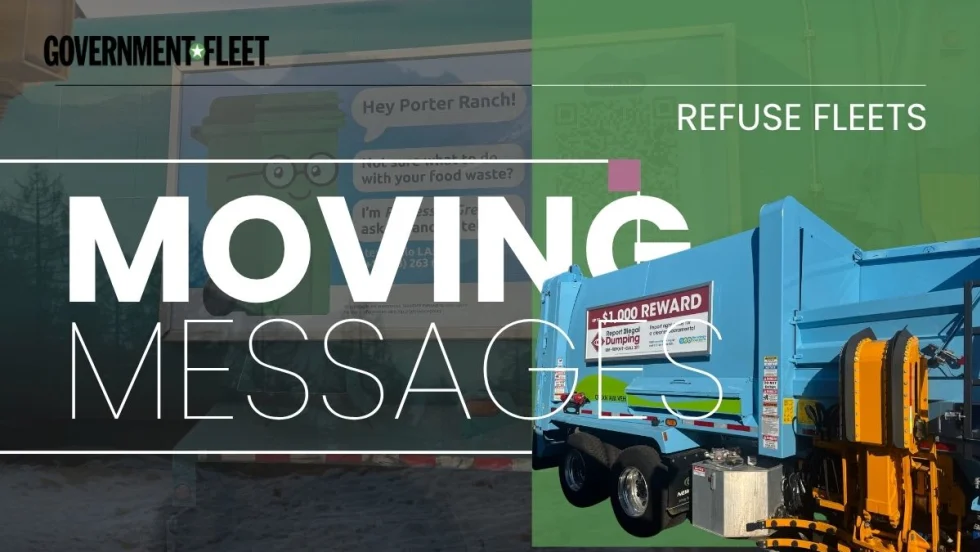
Who Owns the Message on a Refuse Truck?
Refuse trucks can carry public messages into neighborhoods, but keeping those messages current takes planning and clear responsibility.
Who Deserves Fleet Recognition and What Could You Teach at GFX?
Who helped shape your fleet career, and what have you learned that could help someone else?

What’s Haunting Public Sector Fleets?
Public sector fleet challenges rarely happen in isolation, and addressing one often means understanding how it connects to another.
Is Keeping Older Fleet Vehicles Really Saving Money?
Is keeping vehicles longer saving money, and what happens when a diagnostic test points to the wrong fix?