




South Dakota Fleet Consumed 2M Gallons of Ethanol Last Year
The South Dakota's Division of Fleet and Travel Management, which includes 3,987 vehicles, utilized nearly 2.5 million gallons of E-10, E-30, and E-85 fuels in one year.

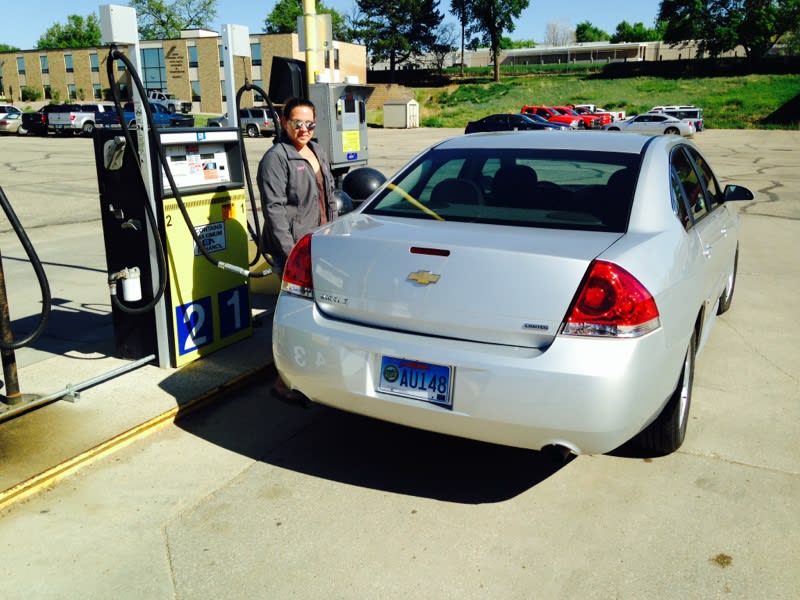
About 65% of the South Dakota Fleet and Travel Management Division's fleet consists of flex-fuel vehicles.
Photo courtesy of State of South Dakota
The State of South Dakota’s vehicle fleet consumed nearly 2 million gallons of ethanol-blended fuels — including E-10, E-30, and E-85 — between mid-May 2017 and mid-May 2018, according to the South Dakota Bureau of Administration.
South Dakota's Division of Fleet and Travel Management (FTM) is composed of 3,987 vehicles that are either assigned (to an agency or employee) or pooled for employees to use for official government purposes. About 65% of the fleet consists of flex-fuel vehicles, or 2,578 passenger cars and vans, SUVs, and light-duty pickups. In addition, some FTM vehicles that are not flex-fuel use E-10.
Between May 2017 and May 2018, FTM's flex-fuel vehicles consumed 1.9 million gallons of blended ethanol. In total, the fleet utilized nearly 2.5 million gallons of blended ethanol.
“We have been increasing the number of flex-fuel vehicles we purchase each year,” said Bureau of Administration Commissioner Scott Bollinger. “As older vehicles wear out, we look to replace them with flex-fuel models.”
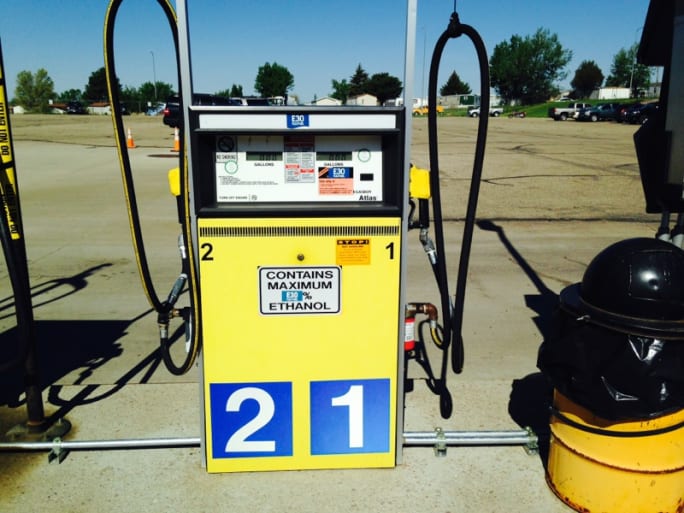
Ethanol is available at 95 of the state’s fueling sites.
Photo courtesy of State of South Dakota
Ethanol is available at 95 of the state’s fueling sites. FTM has installed E-30 pumps at three of the state’s largest fueling sites in Sioux Falls, Pierre, and Brookings. Recent decreases in ethanol prices have made E-30 a viable cost-savings option.
The FTM fleet, which does not include heavy-duty vehicles (managed by the Department of Transportation) or law enforcement vehicles (managed by the Highway Patrol), traveled an annual average of 38 million miles over the past four years. FTM does not use any other alternative fuels, though the Department of Transportaiton uses B5 biodiesel in its maintenance vehicles.
Related: South Dakota Adds Plows, Enhances Disaster Response
More Green Fleet
Sustainability Partners, Energy Systems Group Help Albuquerque Close the Gap on its 100% Renewable Energy Goal
The eight-site, 6 MW solar project has advanced the city toward 100% renewable energy for municipal operations.
Read More →
Port Authority and CALSTART Launch $45 Million Electric Truck and Charging Programs
The programs aim to boost sustainable operations across the East Coast's busiest seaport.
Read More →
Moving Government Fleets Beyond the Vehicle Purchase: EV as a Service
A discussion on how EVaaS is moving beyond pilot programs and what fleets should consider before beginning a larger deployment.
Read More →
Moving Government Fleets Beyond the Vehicle Purchase: EV as a Service
As fleets move beyond small EV pilots, Sustainability Partners CEO Adam Cain explains how EVaaS can address the infrastructure and long-term planning required for larger deployments.
Read More →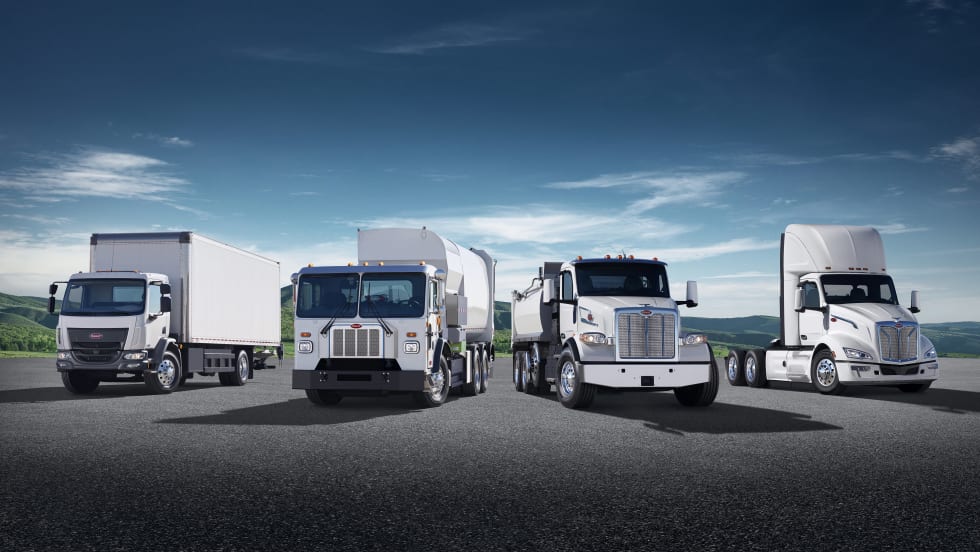
Peterbilt Expands Sourcewell Partnership with Electric Vehicle Lineup
The agreement aims to provide streamlined procurement of Peterbilt trucks for government, education, nonprofit and tribal organizations across the United States and Canada.
Read More →

EV Adoption & Charging Challenges
Where is your fleet in the journey of vehicle electrification? If you're still looking for answers to fleet electrification you've come to the right place.
Read More →
Hawaii Passes Clean Fuel Policy
Hawaii lawmakers passed clean fuel legislation that could support renewable natural gas production, biogas-powered transportation, and lower-carbon fueling options for public and commercial fleets.
Read More →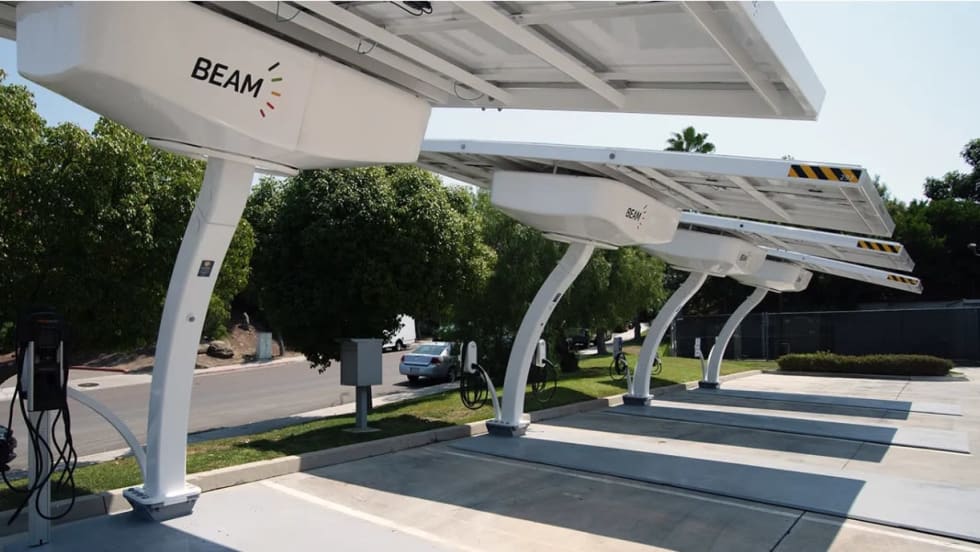
Stanislaus County Deploys Ten Beam Global EV ARC Systems to Support County Fleet Electrification
Stanislaus County deployed 10 off-grid solar-powered EV charging systems and a mobile charging trailer from Beam Global to support its electric fleet operations and emergency response flexibility.
Read More →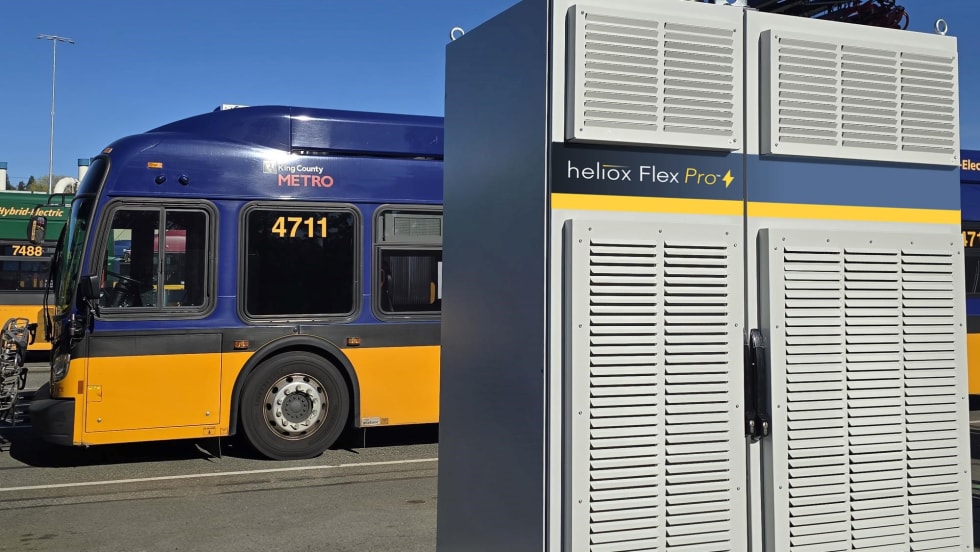
Heliox Pilots 480-kW Bus Charger with King County Metro
King County Metro is piloting Heliox’s new 480-kW Flex Pro charger to support expansion of its battery-electric bus fleet and depot charging infrastructure. The compact charging system supports pantograph and plug-in charging configurations for high-density transit operations.
Read More →