




Keep reading: Adding Armor to Patrol Cars
South Carolina County Pushes for Ballistic Tech After Deputy Shot
Oconee County Cpl. Lucas Watts was shot through the windshield of his patrol vehicle. The sheriff revealed a second deputy's windshield was also shot at, with the bullet missing that deputy by inches.

Christy Grimes・Former Senior Editor
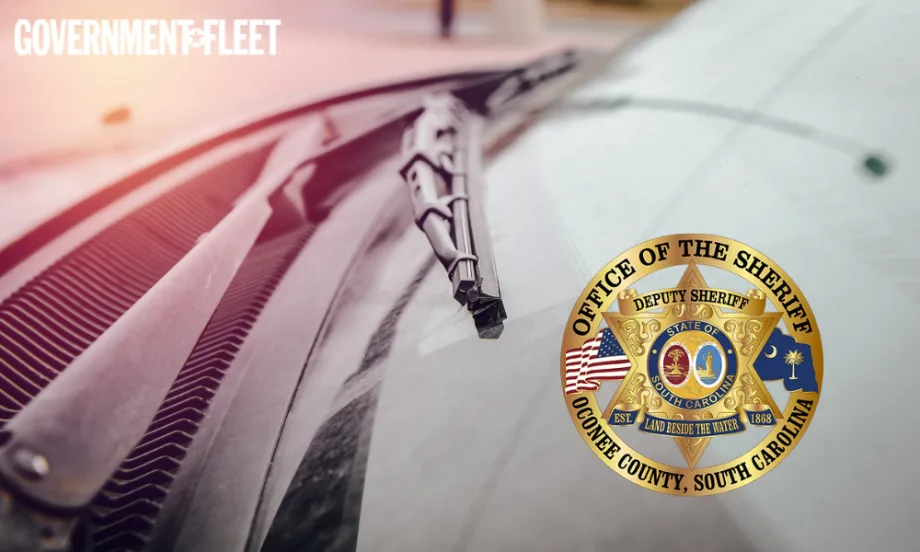
The Oconee County Sheriff's Office and county council are looking into ballistic windshield pricing, after a deputy was shot through his windshield.
Photo: Oconee County Sheriff's Office/Canva/Government Fleet
2 min to read
Ballistic glass may be on the way to vehicles for the Oconee County, South Carolina, Sheriff's Office, after a deputy was shot through the windshield of his patrol vehicle.
In its Nov. 21 meeting, the Oconee County Council approved a motion directing county staff to coordinate with the Sheriff's Office to obtain pricing for ballistic upgrades for deputy vehicles.

27-year-old Cpl. Lucas Watts is recovering after being shot in his patrol vehicle.
Photo: Oconee County Sheriff's Office
The motion came after Sheriff Mike Crenshaw spoke during public comment at the meeting and Councilman Matthew Durham requested the motion, discussing various ballistic offerings for law enforcement vehicles.
Crenshaw supported the motion, asking for pricing breakdowns on ballistic windshields and glass for other windows on the patrol vehicles.
A week prior, on Nov. 16, deputies were conducting a traffic stop when the driver who was pulled over sped away, leading deputies on a pursuit. It ended when the driver reportedly fired shots at 27-year-old Cpl. Lucas Watts, who was in his patrol vehicle.
Watts, who was hit, was taken to the hospital. He was critically injured, but it now recovering, according to a press release.
At the Nov. 21 meeting, Crenshaw revealed that a second patrol vehicle also sustained bullet holes, missing another deputy by a few inches.
A Primer on Ballistic Glass
Armoring law enforcement vehicles is still a fairly new practice for the industry. Many agencies do not have ballistic panels or glass on their vehicles. Previously, the technology was expensive. As it has evolved, it has become more cost effective for agencies.
Patrol vehicle window armor is usually made of polycarbonate or layered glass, Police Magazinereported in 2019.
In 2021, the number of intentional killings of law enforcement officers reached a 20-year high with 73 deaths, according to the FBI. The 2022 numbers were slightly down, with 60 intentional deaths.
With an increase in the number of felonious deaths against law enforcement officers — fatal injuries as a direct result of an intentional act — many agencies are considering adding additional protections like ballistic technologies to their vehicles.
Ballistic glass is a common choice for agencies looking to protect their officers, because windshields and other vehicle glass can be a major vulnerability for law enforcement vehicles.
More Police
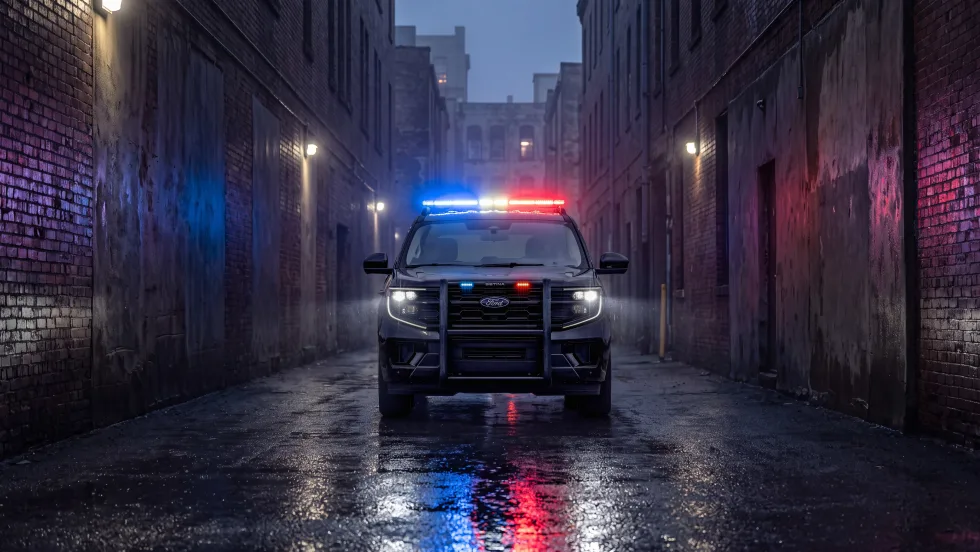
Ford Pro Introduces Full-Size 2028 Expedition Police Responder
Ford Pro gave law enforcement customers a first look at the pursuit-rated utility during Police Fleet Expo.
Read More →
Paterson Police Expand Drone Fleet, Launch Real-Time Operations Center
The Paterson Police Department has expanded its drone program and opened a new Real-Time Operations Center designed to support emergency response and incident management. The initiative integrates multiple technologies to provide officers with real-time information during investigations and public safety operations.
Read More →
Why Public Fleet Success Depends on More Than the Vehicles
Tim Coxwell of the Leon County Sheriff’s Office discusses the projects shaping his fleet operation, including long-term work around vehicle selection, greenhouse gas emissions, and cost per mile.
Read More →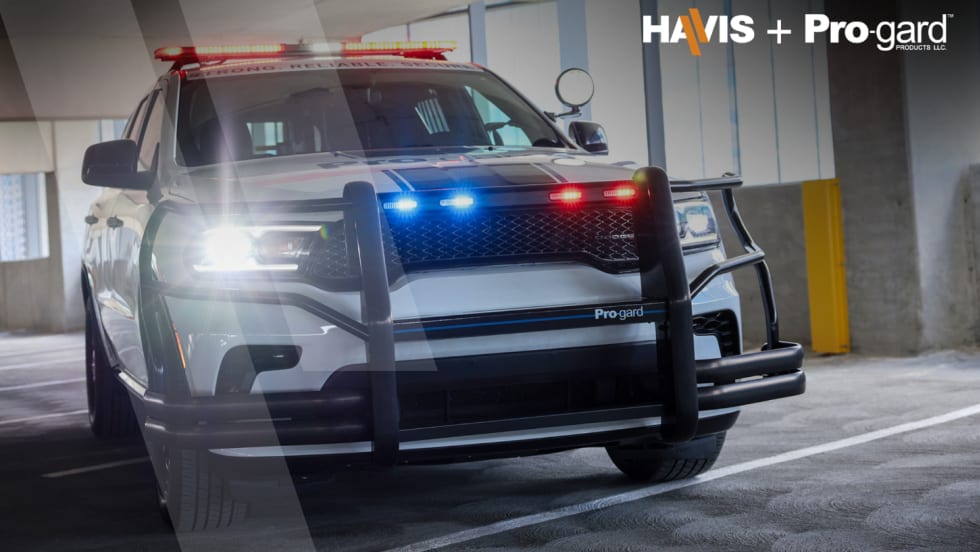
Havis Acquires Pro-gard Products
The acquisition brings together two manufacturers of public safety vehicle equipment under one company. Havis says the move expands its portfolio of products for outfitting law enforcement vehicles and other public safety fleets.
Read More →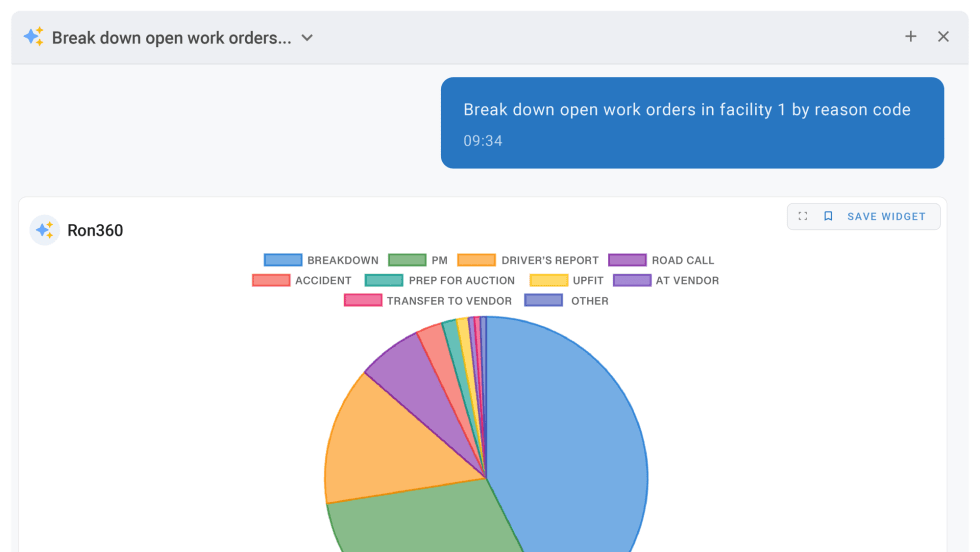
RTA Fleet Introduces AI Assistant for Fleet360 Platform
As artificial intelligence continues to gain traction across public-sector operations, fleet software providers are finding new ways to incorporate the technology into everyday workflows. RTA's latest addition aims to simplify how users interact with fleet data.
Read More →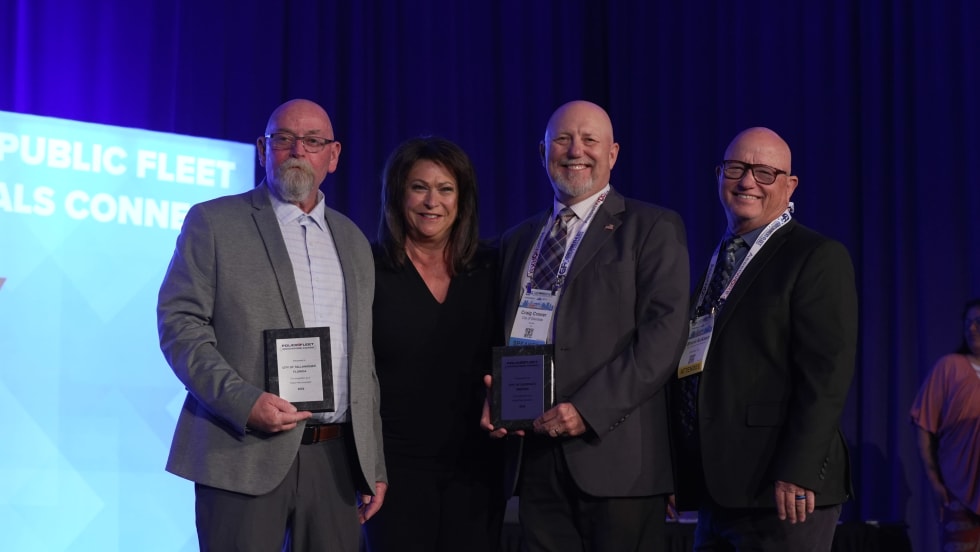
2026 Police Fleet Innovators Named
Meet the professionals finding new ways to solve some of law enforcement's toughest fleet challenges.
Read More →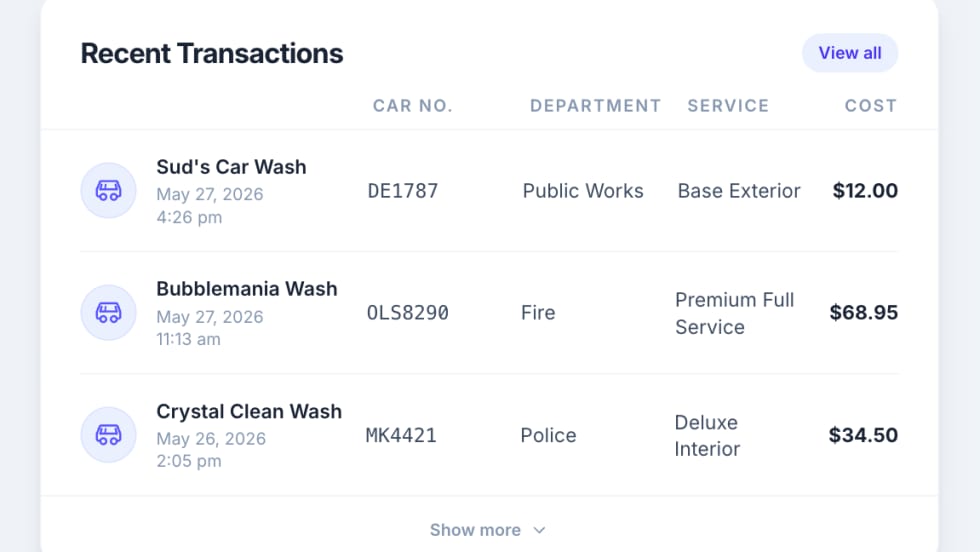
Rynse Expands Nationwide Fleet Wash Access for Law Enforcement
The North Carolina Sheriff’s Association Contract Cooperative purchasing contract aims to streamline procurement process for law enforcement agencies across the U.S.
Read More →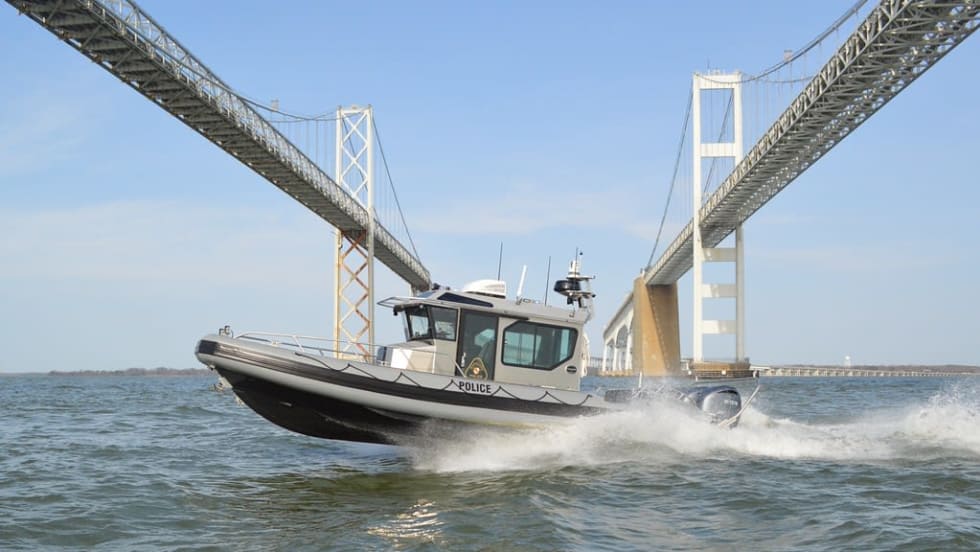
Maryland Natural Resources Police Adds 31-Foot Patrol Boat to Enforcement Fleet
A new addition to Maryland’s marine enforcement fleet is bringing expanded capabilities to Chesapeake Bay operations while honoring a legacy within the agency. The high-performance patrol vessel reflects how law enforcement fleets are adapting to growing demands on the water.
Read More →
LEHR Expands Florida Presence With Enforcement One Acquisition
LEHR has acquired Florida-based emergency vehicle upfitter Enforcement One, marking its eighth add-on acquisition.
Read More →
Maryland’s Wicomico County Sheriff Adds Mustang GT Patrol Vehicles
The agency is also working with the Maryland Police Training Commission on a specialized high-performance driving course for deputies assigned to the vehicles.
Read More →