




Solar Powered EV Charging Station Listed on GSA Schedule
ROCKY RIDGE, MD - Officials at Merit Builders, Inc., announced that the company’s Solar-Powered Charging Station was added to the GSA Schedule.
ROCKY RIDGE, MD - Officials at Merit Builders, Inc., announced that the company’s Solar-Powered Charging Station was added to the GSA Schedule. It is the first solar-powered electric vehicle infrastructure to be listed by GSA. Unlike other charging devices that use traditional public utility-generated electricity, Merit’s charging station powers vehicles using electricity generated through solar power.
“The Solar Charging Station takes President Obama’s Executive Order to reduce vehicle emissions one step further by using the sun – and not utility-generated electricity – to power the government’s fleet,” said Malia Kaiser, President of Merit Builders, a nationally recognized, independent erector that has served the metal building industry since 1987.
Merit’s commitment to renewable energy sources led to the design and development of its Solar Charging Station by Merit Solar, a division of Merit Builders. The Solar Charging Station consists of a metal carport with solar panels affixed to the roof. The energy generated by the solar panels is converted into electricity. Each parking space within the Solar Charging Station is outfitted with a retractable electrical connector that is used to recharge the given vehicle. The connectors conform to all national auto manufacturers’ specifications and can be used to power the new generation of electric vehicles currently being released by Nissan, Ford, Chevrolet, and other emerging EV auto makers such as Tesla.
“Each EV charge controller is capable of providing Level 2 charging to two separate vehicles simultaneously,” said Jared Starin, Merit Solar’s design engineer, referring to Level 2’s higher amperage and shorter charging time. Starin says the Solar Charging Station’s controller, which makes and records transactions, operates much like those found on traditional gas pumps. “Our controllers are capable of accepting traditional credit cards or the fleet cards that are used by government employees,” said Starin. “The fleet card application generates the same type of data recorded during traditional Level 3 credit card transactions.”
The Solar Charging Station is designed to the specifications of a traditional 9’ x 20’ parking space but can be constructed to accommodate any site or fleet requirement. The Station’s grid-tied system meets all applicable construction codes throughout the U.S. and its design requires minimal maintenance. The materials used to construct the carport have a lifetime structural certification and are completely recyclable. The solar modules have a 25-year warranty.
The Solar Charging Station was exhibited at the GSA Sustainability Day event last July where it was seen by hundreds of GSA employees. “Placement of the Solar Charging Station and other ‘green’ products on the GSA Schedule demonstrates the government’s commitment to an environmentally cleaner world,” said one high-ranking GSA employee.
More Green Fleet
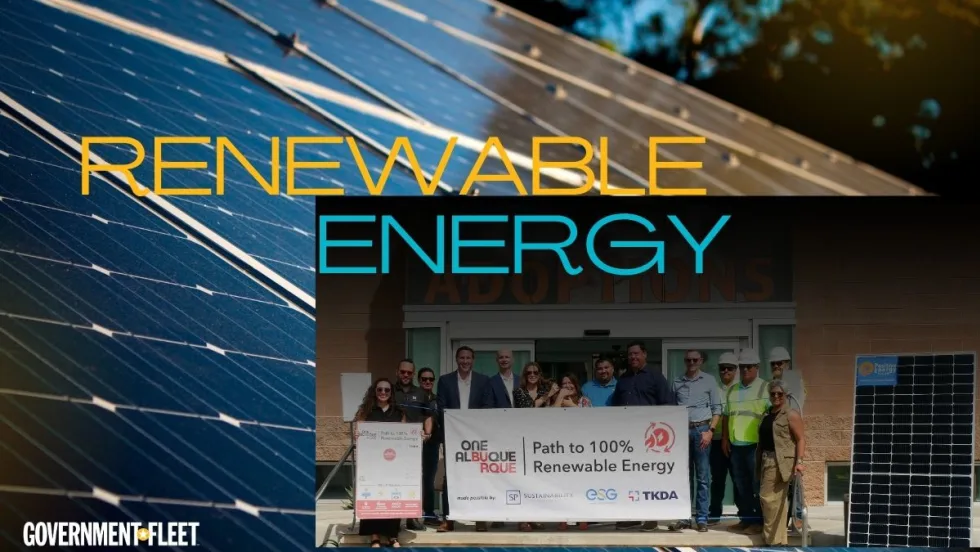
Sustainability Partners, Energy Systems Group Help Albuquerque Close the Gap on its 100% Renewable Energy Goal
The eight-site, 6 MW solar project has advanced the city toward 100% renewable energy for municipal operations.
Read More →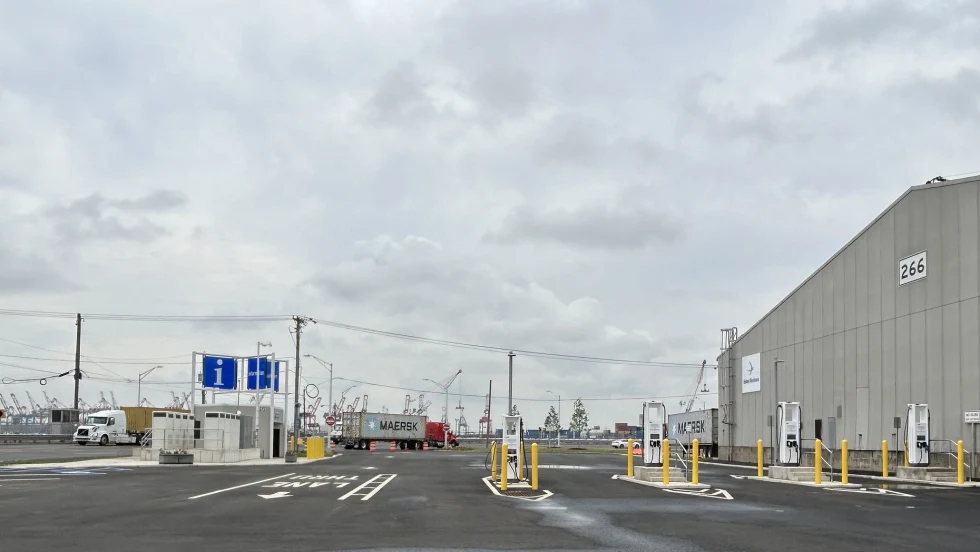
Port Authority and CALSTART Launch $45 Million Electric Truck and Charging Programs
The programs aim to boost sustainable operations across the East Coast's busiest seaport.
Read More →
Moving Government Fleets Beyond the Vehicle Purchase: EV as a Service
A discussion on how EVaaS is moving beyond pilot programs and what fleets should consider before beginning a larger deployment.
Read More →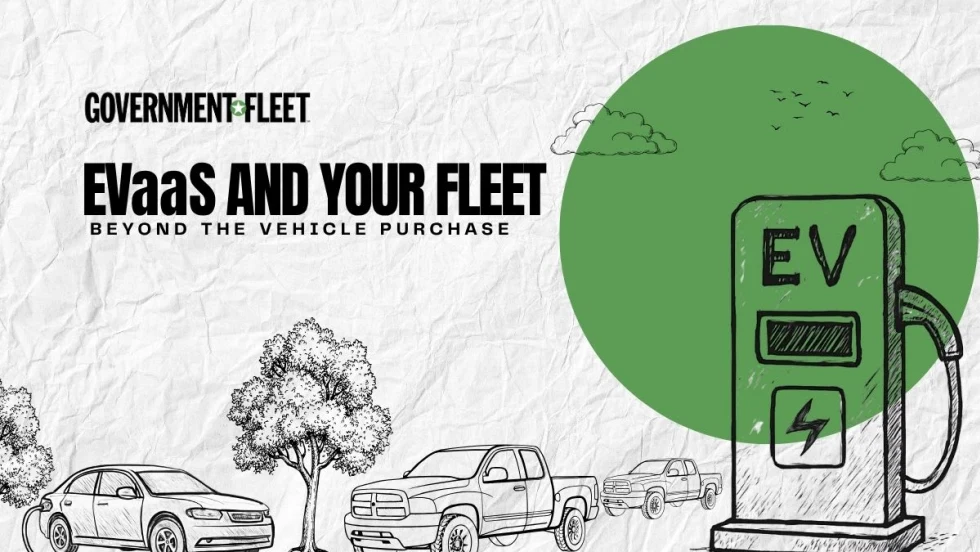
Moving Government Fleets Beyond the Vehicle Purchase: EV as a Service
As fleets move beyond small EV pilots, Sustainability Partners CEO Adam Cain explains how EVaaS can address the infrastructure and long-term planning required for larger deployments.
Read More →
Peterbilt Expands Sourcewell Partnership with Electric Vehicle Lineup
The agreement aims to provide streamlined procurement of Peterbilt trucks for government, education, nonprofit and tribal organizations across the United States and Canada.
Read More →

EV Adoption & Charging Challenges
Where is your fleet in the journey of vehicle electrification? If you're still looking for answers to fleet electrification you've come to the right place.
Read More →
Hawaii Passes Clean Fuel Policy
Hawaii lawmakers passed clean fuel legislation that could support renewable natural gas production, biogas-powered transportation, and lower-carbon fueling options for public and commercial fleets.
Read More →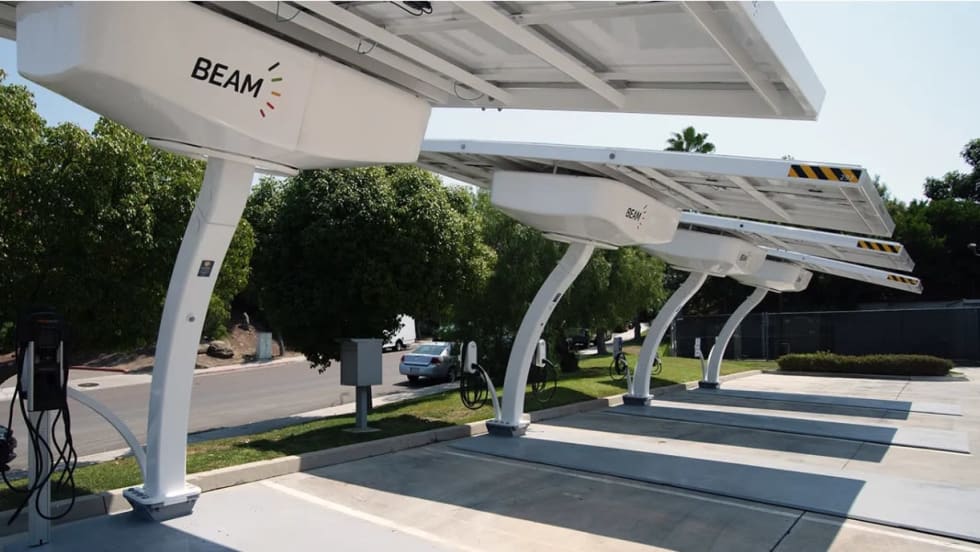
Stanislaus County Deploys Ten Beam Global EV ARC Systems to Support County Fleet Electrification
Stanislaus County deployed 10 off-grid solar-powered EV charging systems and a mobile charging trailer from Beam Global to support its electric fleet operations and emergency response flexibility.
Read More →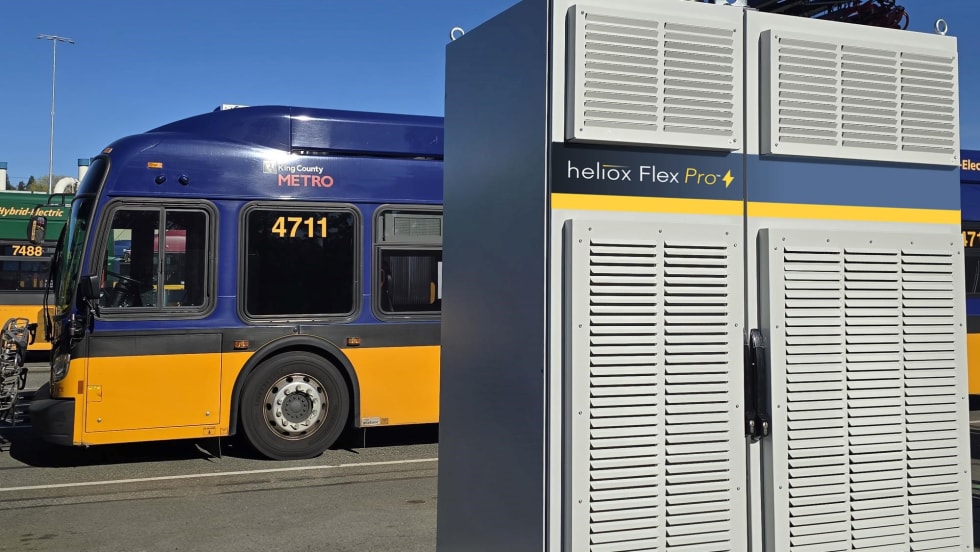
Heliox Pilots 480-kW Bus Charger with King County Metro
King County Metro is piloting Heliox’s new 480-kW Flex Pro charger to support expansion of its battery-electric bus fleet and depot charging infrastructure. The compact charging system supports pantograph and plug-in charging configurations for high-density transit operations.
Read More →