




Similar Content: Smarter Video Telematics Wave Arrives
SmartAnalytics AI-Powered Software Improves Fleet Safety and Driver Behavior
SmartAnalytics is a software upgrade to any SmartWitness video telematics solution that encompasses broader sources of data.
by Staff
February 8, 2021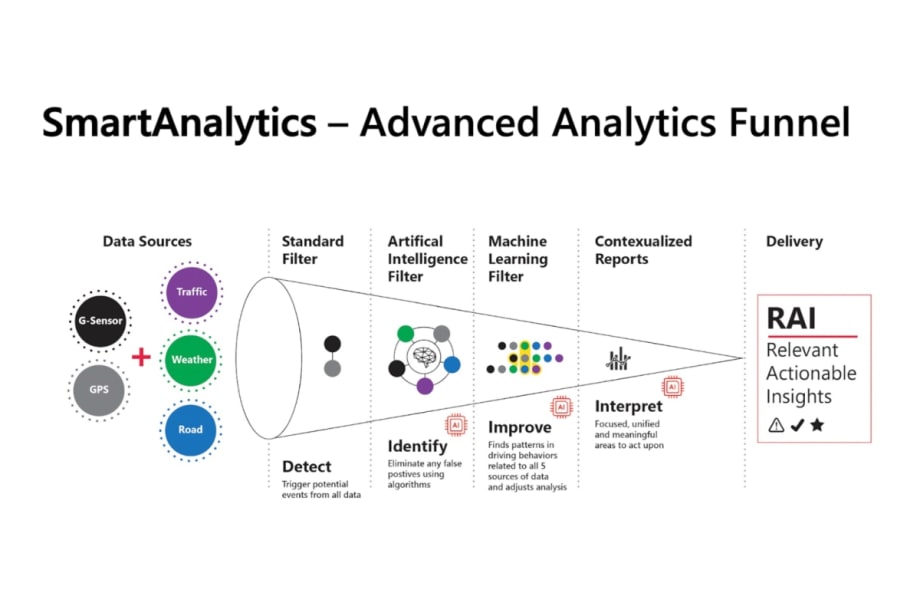
Photo: SmartWitness
3 min to read
SmartWitness is launching SmartAnalytics, its new analytics software powered by artificial intelligence (AI) and machine learning to provide better insights and actionable data for fleet managers.
The UK launch of SmartAnalytics follows a successful pilot scheme in the United States involving 10,000 trucks, which brought about a 15% average reduction in vehicle accidents, 30% increase in efficiency and productivity, and a 7% reduction in fuel and maintenance costs.
SmartAnalytics is a software upgrade to any SmartWitness video telematics solution that encompasses broader sources of data, simplifies fleet management, and lowers risk. With the use of artificial intelligence and machine learning, large amounts of data are processed and contextualized to create a better understanding of driver behavior in any fleet.
The AI software requires little to no human intervention and can process large amounts of data to provide the context and insights that fleet managers need to make better business decisions, reduce costs, improve driver safety, and run their operation more efficiently.
SmartWitness VP Aaron Kim said: “Fleet managers are currently facing a significant data overload. With the myriad number of connected devices on trucks plus the various compliance, regulatory and business intelligence software, there is simply too much data to be processed by organizations.
SmartAnalytics boils down thousands of hours of drive data each week into reports and league tables, which can be quickly and easily read. Only relevant videos are shared with fleet managers to act upon.
As well as cutting down hours of manual checking of data, the AI algorithm reduces false positives via improved contextual analysis. For example, if a driver triggered a harsh acceleration event, that would show up as negative feedback for their behavior. But in the case this event was triggered by entering a freeway, this behavior should actually be considered “safe” as a necessary maneuver to enter the flow of faster-moving traffic. This is the value of an increased number of contextual data sources, and unlike traditional telematics software that just use two key data sources, G-sensor and GPS, Smart Analytics is able to take into account factors such as road type, elevation, weather conditions, traffic patterns, and differentiate between city and rural traffic density.
How the SmartAnalytics Data Filtering Funnel Works
Data – G-sensor, GPS are the start points just as with standard telematics, but SmartAnalytics also includes weather conditions, traffic patterns and density, road type, and elevation.
The AI Filter – scrubs, cleans, and filters the raw data and eliminates false positives by analyzing and comparing with our sources.
The Machine Learning Filter – identifies trends and patterns in driver behavior, compares risk across your fleet, and creates league tables. Over time, with the comparison of historical information, the identification of events becomes even more accurate and predictive risk modelling assigns priority around the most at-risk drivers.
Relevant Actionable Data - The delivery of concise and easy to digest league tables becomes the first stage at which a fleet manager becomes involved. At this point in the funnel, they are receiving relevant actionable insights that can then be used to help train drivers and identify risk factors in the business. And because this is all done using artificial intelligence that is completely objective, the results are consistent every time and delivered instantly.
In 2020, SmartAnalytics deployment — which was initially on 10,000 drivers but in Q3 rose to 25,000 — reduced accidents by 15%, improved productivity by 30%, reduced fuel and maintenance costs by 7%, improved compliance involvement by 50%, and improved accountability by 20%. In addition, driving behavior scores rose 14%, workplace satisfaction rose 15%, and workplace engagement rose 25%.
More Telematics
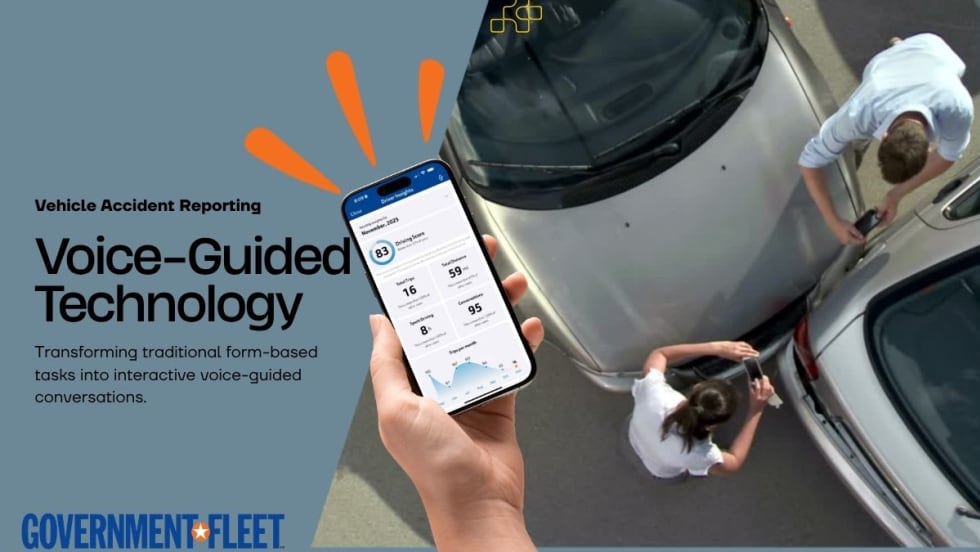
How Conversational AI Can Simplify Driver Workflows
Voice-guided technology is helping drivers complete vehicle inspections, accident reporting, and motor pool checkouts through conversations instead of forms.
Read More →
Connecticut Renews Fleet Telematics Agreement, Adds Automation Tools
Connecticut is expanding the use of automation within its fleet operations as part of a renewed telematics agreement. The new tools are designed to reduce manual reporting, streamline compliance tasks, and support management of the state's more than 3,600 vehicles.
Read More →
Tennessee DOT Selects Geotab as Fleet Telematics Provider
As state transportation agencies continue to expand their use of connected vehicle technologies, the Tennessee Department of Transportation is moving forward with a new telematics deployment. The initiative is expected to provide greater insight into fleet activity, asset utilization, and maintenance operations.
Read More →
City of Temple Enhances Fleet Operations with New Telematics Technology
The City of Temple is deploying a new Geotab telematics system across multiple municipal departments to improve fleet maintenance, safety monitoring and operational efficiency.
Read More →
3 Ways Fleet Tech Builds Public Trust
Managing a state or local fleet comes with levels of accountability private companies don’t have. Read how modern fleet technology helps elevate visibility and safety to strengthen community trust.
Read More →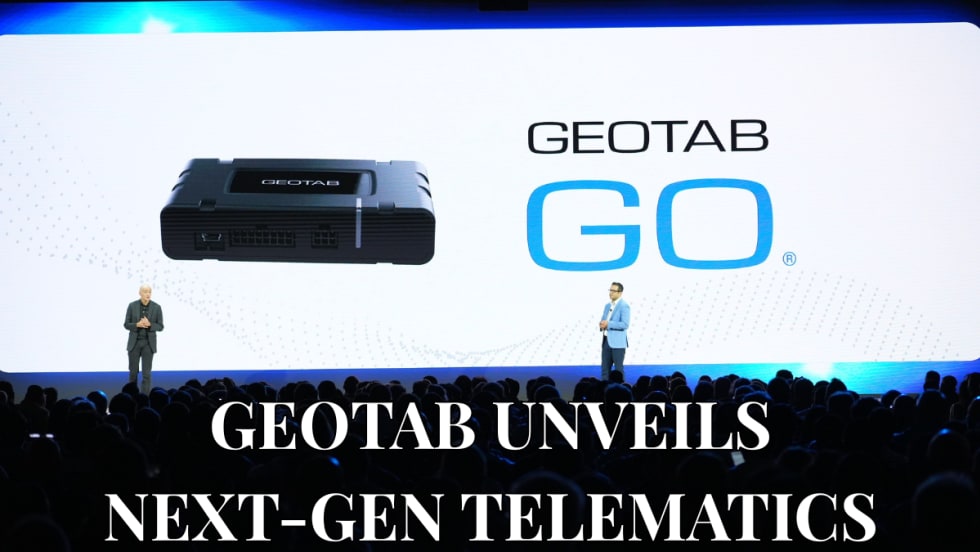
Geotab Launches Next-Gen GO Devices to Strengthen Oversight and Data Security
Next-generation telematics platform promises stronger diagnostics, asset tracking, and actionable insights.
Read More →
Ford Pro Telematics Introduces In-App Asset Tracking
Ford Pro Telematics expands its abilities.
Read More →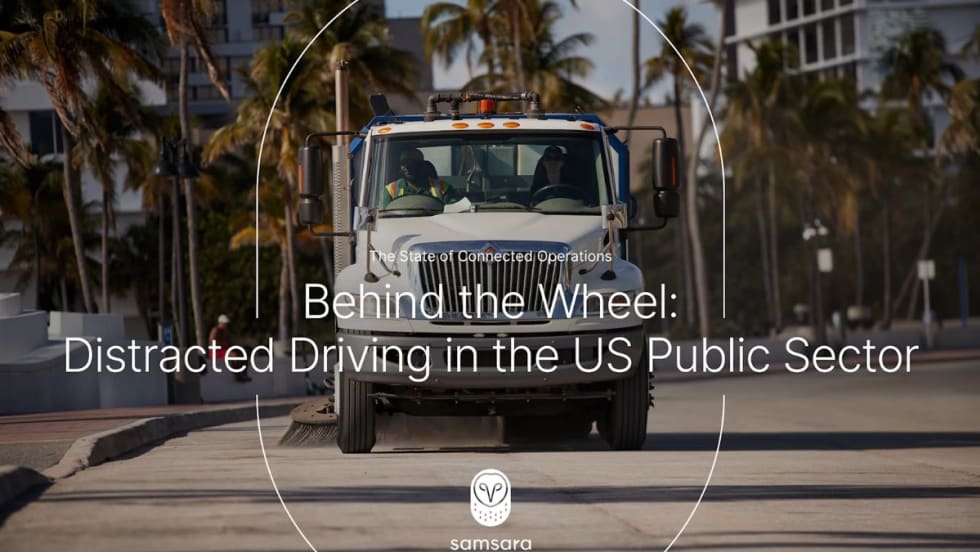
Distracted Driving and Samsara AI Safety
The U.S. public sector continues to use AI technology to combat the dangers of distracted driving.
Read More →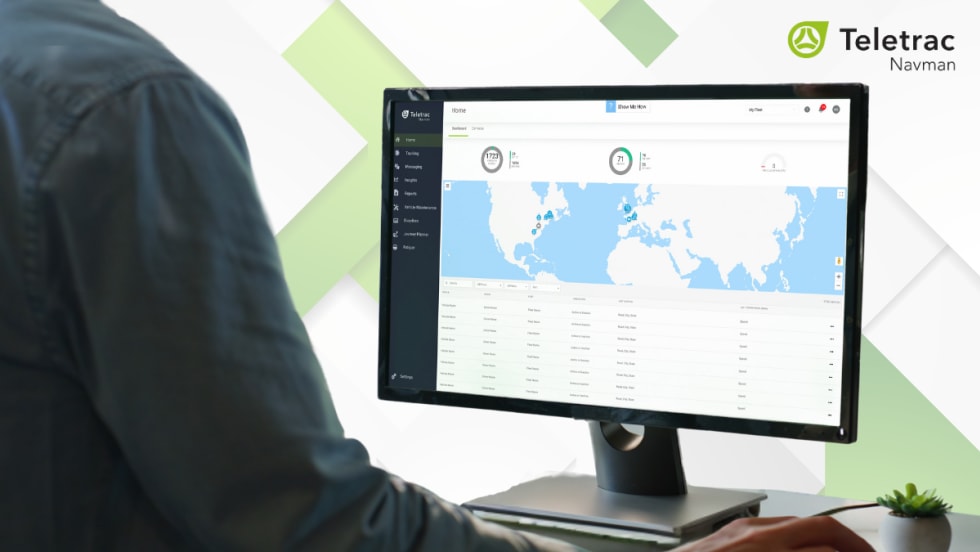
Teletrac Navman’s TN360 Now Connects with Factory-Fitted Telematics for Easier Fleet Oversight
Agencies can now tap into factory-installed vehicle data within TN360 without taking vehicles out of service for hardware installs.
Read More →
Element, Samsara Partner to Launch Comprehensive Fleet and Operations Management Offering
This joint offering streamlines procurement and onboarding for shared customers to deliver greater safety and efficiency for fleets.
Read More →