





Similar Content: Missouri City to Begin Shift to Biodiesel
South Dakota City Announces Biodiesel Partnership for Fleet Vehicles
The city stated it has been using a biodiesel blend in its fleet vehicles as part of its ongoing commitment to sustainability.
August 19, 2022

Sioux Falls will be using a 80/20 blend of diesel and biodiesel.
Photo: Unsplash/Meredith Petrick
2 min to read
The city of Sioux Falls, South Dakota announced that it has been using a biodiesel blend in its fleet vehicles as part of its ongoing commitment to sustainability.
B20 is an 80/20 blend of diesel and biodiesel. Biodiesel is a renewable fuel produced from diverse, sustainable feedstocks including vegetable oils like soybean oil, used cooking oils, and animal fats. The city reported its fleet has been using the fuel blend since April without any impact to day-to-day operations. Neither the fleet vehicles nor the existing fuel stations needed any modification to use B20.
“Switching to a biodiesel blend was a seamless transition that lets us see multiple benefits immediately. Using B20 this year will decrease the city’s use of petroleum diesel fuel by 24,000 gallons, helping the City reduce harmful greenhouse gas emissions,” said Holly Meier, Sustainability Coordinator with the City of Sioux Falls. “It’s better for our community’s health and for our drivers as well."
MEG Corp¬ — the city’s fuel consultant — has seen similar success in fleets throughout the Midwest, and across the border in Minnesota, where all fleets and other diesel users fuel with B20 throughout the warm weather months, thanks to a state fuel standard.
Approximately half of the biodiesel produced in the U.S. is made from soybean oil. Soybeans are 80% meal and 20% oil. Biodiesel production uses only the oil portion, leaving the protein available for food and feed.
The city partnered with farmers to utilize South Dakota Soybean checkoff dollars for this B20 pilot program. Through this partnership, the city is receiving a 25-cent discount on each gallon of B20 (up to 120,000 gallons).
“This project has proven that biodiesel is a valid option for fleets and a more environmentally friendly fuel with no modifications to vehicles needed. Biodiesel also helps with the economic stability of South Dakota farm families,” said David Struck, South Dakota Soybean Research & Promotion Council (Checkoff) Vice Chairman and fourth-generation farmer from Wolsey.
City fleet vehicles are expected to use 120,000 gallons in 2022. Making the switch to B20 means:
• 24,000 gallons of petroleum diesel won’t be used.
• Carbon emissions will be reduced by more than 450,000 lbs.
The city will continue to use B20 through the fall before switching to a winter blend when temperatures begin to dip.
More Green Fleet
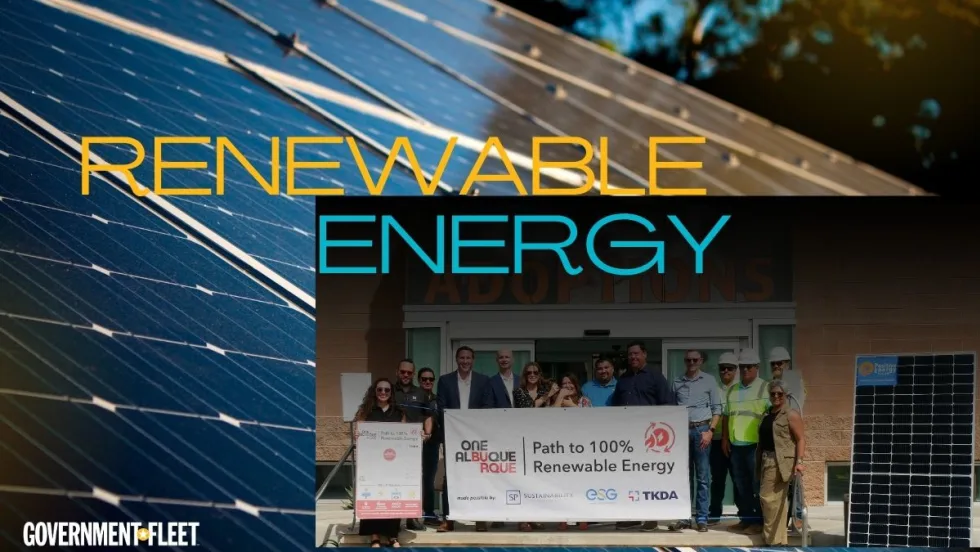
Sustainability Partners, Energy Systems Group Help Albuquerque Close the Gap on its 100% Renewable Energy Goal
The eight-site, 6 MW solar project has advanced the city toward 100% renewable energy for municipal operations.
Read More →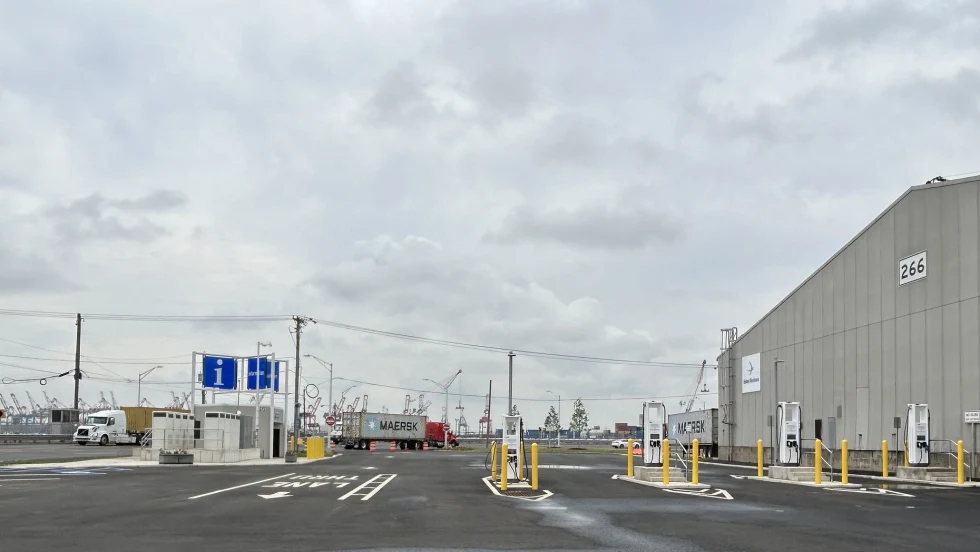
Port Authority and CALSTART Launch $45 Million Electric Truck and Charging Programs
The programs aim to boost sustainable operations across the East Coast's busiest seaport.
Read More →
Moving Government Fleets Beyond the Vehicle Purchase: EV as a Service
A discussion on how EVaaS is moving beyond pilot programs and what fleets should consider before beginning a larger deployment.
Read More →
Moving Government Fleets Beyond the Vehicle Purchase: EV as a Service
As fleets move beyond small EV pilots, Sustainability Partners CEO Adam Cain explains how EVaaS can address the infrastructure and long-term planning required for larger deployments.
Read More →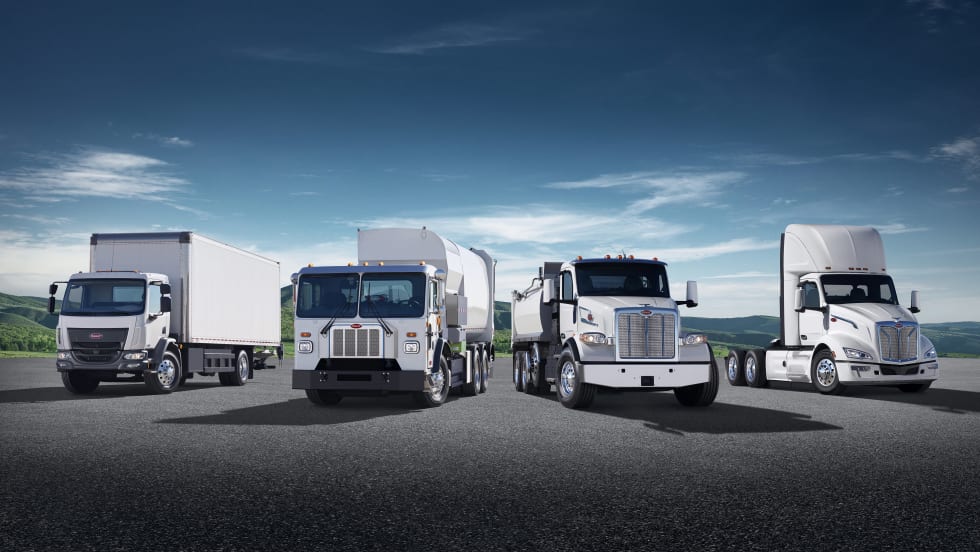
Peterbilt Expands Sourcewell Partnership with Electric Vehicle Lineup
The agreement aims to provide streamlined procurement of Peterbilt trucks for government, education, nonprofit and tribal organizations across the United States and Canada.
Read More →
EV Adoption & Charging Challenges
Where is your fleet in the journey of vehicle electrification? If you're still looking for answers to fleet electrification you've come to the right place.
Read More →
Hawaii Passes Clean Fuel Policy
Hawaii lawmakers passed clean fuel legislation that could support renewable natural gas production, biogas-powered transportation, and lower-carbon fueling options for public and commercial fleets.
Read More →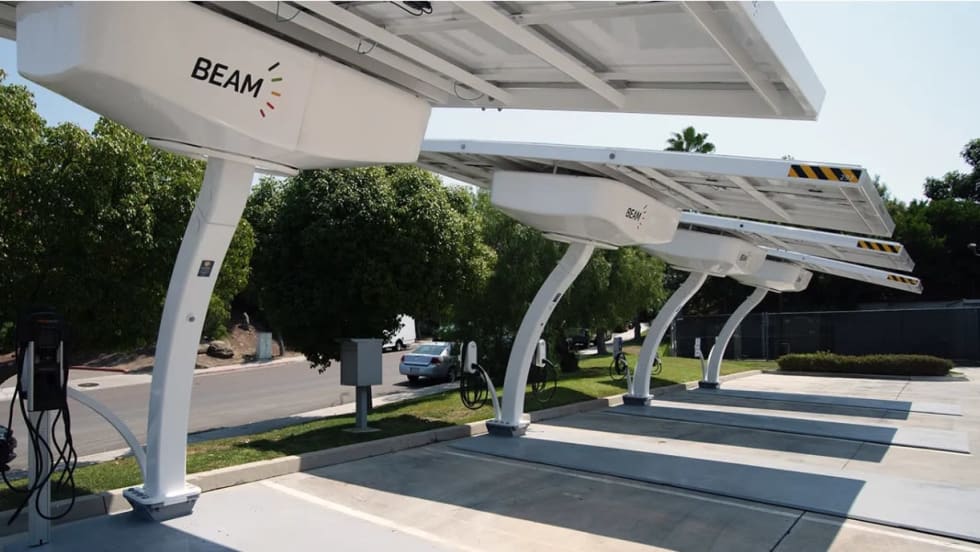
Stanislaus County Deploys Ten Beam Global EV ARC Systems to Support County Fleet Electrification
Stanislaus County deployed 10 off-grid solar-powered EV charging systems and a mobile charging trailer from Beam Global to support its electric fleet operations and emergency response flexibility.
Read More →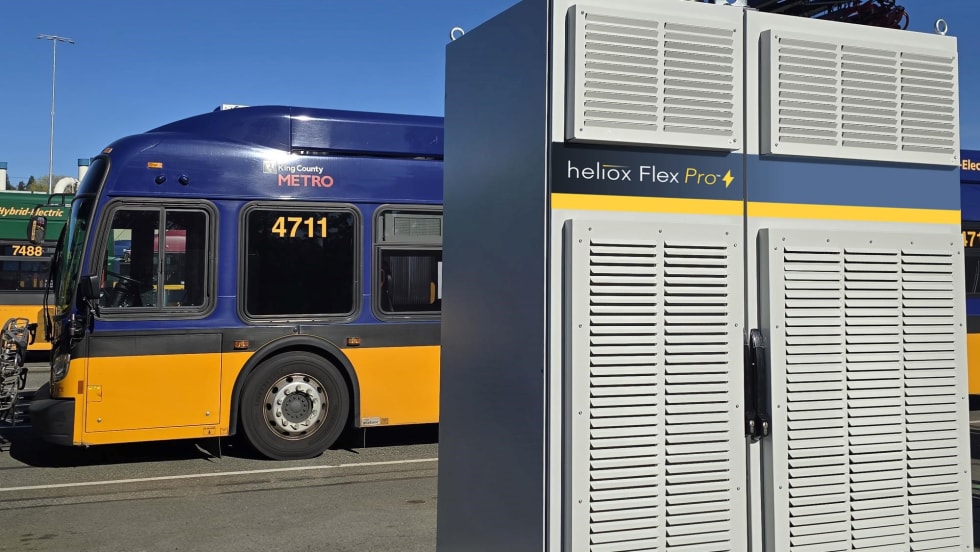
Heliox Pilots 480-kW Bus Charger with King County Metro
King County Metro is piloting Heliox’s new 480-kW Flex Pro charger to support expansion of its battery-electric bus fleet and depot charging infrastructure. The compact charging system supports pantograph and plug-in charging configurations for high-density transit operations.
Read More →