





Related: Keeping the Lines of Communication Open When Reducing Fleet Size
Seattle to Reduce Fleet by 10%
The City of Seattle plans to establish minimum utilization, reduce vehicle use, and right-size all vehicles as they come up for replacement.
September 26, 2018
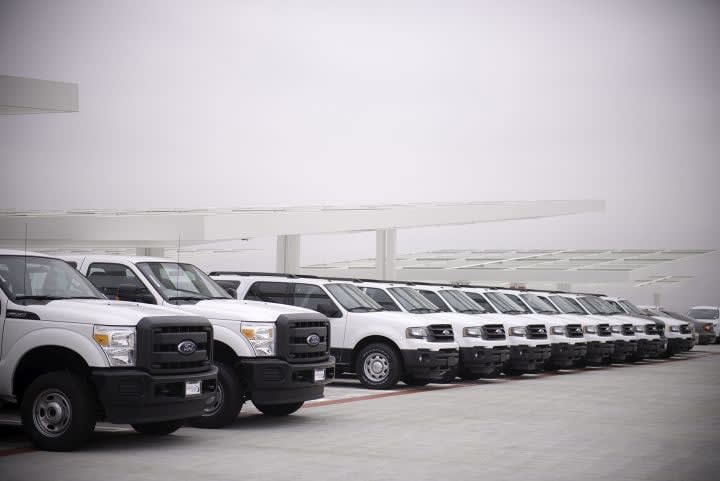
File photo
3 min to read
Seattle Mayor Jenny Durkan has signed an executive order to reduce the city’s vehicle fleet by 10% by the end of 2020. The executive order aims to accelerate the transition to a clean and green city fleet, working toward the goal of achieving a fossil-fuel-free fleet by 2030.
The city’s Drive Clean Seattle Green Fleet Action Plan will be updated to establish fleet reduction goals, set a minimum utilization threshold, and provide an assessment of the greenest vehicle for common job types across the city. The city will also right-size all vehicle replacements at end of life with the most compact, most cost-effective, and lowest engine displacement vehicle for the job.
“10% reduction is a significant amount of vehicles and the biggest opportunity that might present itself is inter-departmental sharing of similar fleet assets. This is rarely done within a department let alone between departments, so we’ll see how creative the vehicle reduction plans are,” Fleet Director Chris Wiley told Government Fleet.
In support of these efforts, the city will establish a Vehicle Use Committee, consisting of the city budget director, director of finance and administrative services, and a representative of the mayor’s office, to review and approve department reduction plans and resolve new vehicle requests.
“What impressed me most about this executive order is the mayor established a Vehicle Use Committee, that has cabinet-level members who will decide the fate of vehicles,” Wiley said. “This allows the fleet management division to remain a customer-driven service provider and not an enforcer.”
Each department will submit a plan to reduce vehicles to the Department of Financial and Administrative Services (FAS). FAS will identify areas for reduction, and the Vehicle Use Committee will ensure eliminating these vehicles will not have an unreasonable adverse impact on emergency response, public safety, and other critical operations.
For now, FAS and Seattle City Light will halt all sedan, SUV, van, and light truck replacements except for vehicles with a market-ready battery-electric option. This moratorium will last for each department until that department’s vehicle reduction plan is submitted to FAS. Any fleet addition requests must be offset with a fleet reduction elsewhere in the department.
In addition, the mayor’s 2019-2020 proposed budget eliminates fuel price cushions in department budgets, releasing $1 million for city services and creating a financial incentive for conservation.
City departments are directed to pool resources within departments and cross-departmentally to increase efficient utilization, and FAS will talk to intergovernmental partners, including the Port of Seattle and King County, to explore opportunities to share fleet resources. In addition, city employees will be encouraged to consider video or telephone conferencing, walking/biking, transit, and shared vehicle services before using a single-occupancy vehicle. To offset the transition to a reduced fleet, the city may utilize short-term rentals.
FAS will pilot a telematics system to track actual vehicle use on a limited number of vehicles. The department is also responsible for enforcing the new utilization thresholds and tracking vehicle data.
The City of Seattle fleet consists of 4,150 vehicles, including police cars, fire engines, dump trucks, mowers, trailers, and equipment.
More Green Fleet
Sustainability Partners, Energy Systems Group Help Albuquerque Close the Gap on its 100% Renewable Energy Goal
The eight-site, 6 MW solar project has advanced the city toward 100% renewable energy for municipal operations.
Read More →
Port Authority and CALSTART Launch $45 Million Electric Truck and Charging Programs
The programs aim to boost sustainable operations across the East Coast's busiest seaport.
Read More →
Moving Government Fleets Beyond the Vehicle Purchase: EV as a Service
A discussion on how EVaaS is moving beyond pilot programs and what fleets should consider before beginning a larger deployment.
Read More →
Moving Government Fleets Beyond the Vehicle Purchase: EV as a Service
As fleets move beyond small EV pilots, Sustainability Partners CEO Adam Cain explains how EVaaS can address the infrastructure and long-term planning required for larger deployments.
Read More →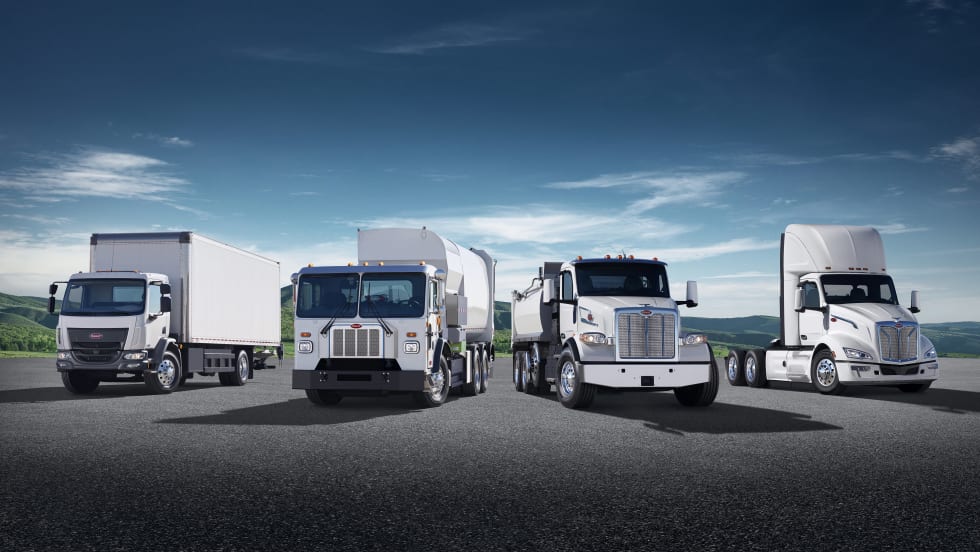
Peterbilt Expands Sourcewell Partnership with Electric Vehicle Lineup
The agreement aims to provide streamlined procurement of Peterbilt trucks for government, education, nonprofit and tribal organizations across the United States and Canada.
Read More →
EV Adoption & Charging Challenges
Where is your fleet in the journey of vehicle electrification? If you're still looking for answers to fleet electrification you've come to the right place.
Read More →
Hawaii Passes Clean Fuel Policy
Hawaii lawmakers passed clean fuel legislation that could support renewable natural gas production, biogas-powered transportation, and lower-carbon fueling options for public and commercial fleets.
Read More →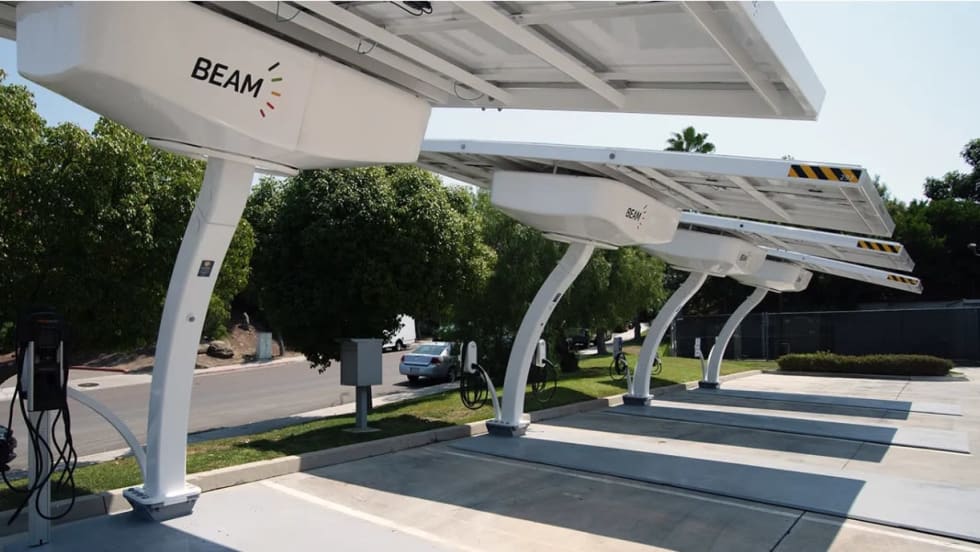
Stanislaus County Deploys Ten Beam Global EV ARC Systems to Support County Fleet Electrification
Stanislaus County deployed 10 off-grid solar-powered EV charging systems and a mobile charging trailer from Beam Global to support its electric fleet operations and emergency response flexibility.
Read More →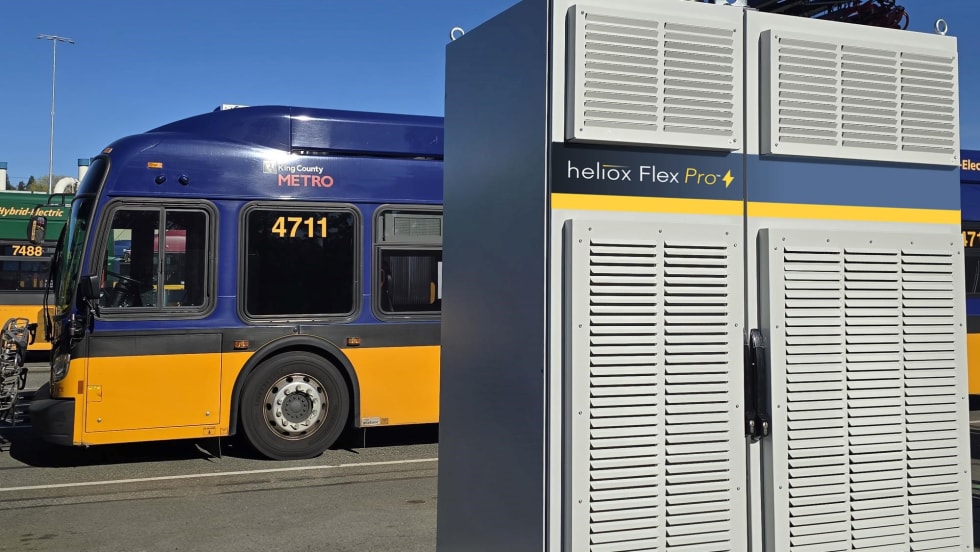
Heliox Pilots 480-kW Bus Charger with King County Metro
King County Metro is piloting Heliox’s new 480-kW Flex Pro charger to support expansion of its battery-electric bus fleet and depot charging infrastructure. The compact charging system supports pantograph and plug-in charging configurations for high-density transit operations.
Read More →